Second Phase of Weapon Integration for LCH Underway, First Deliveries to Begin in 2028
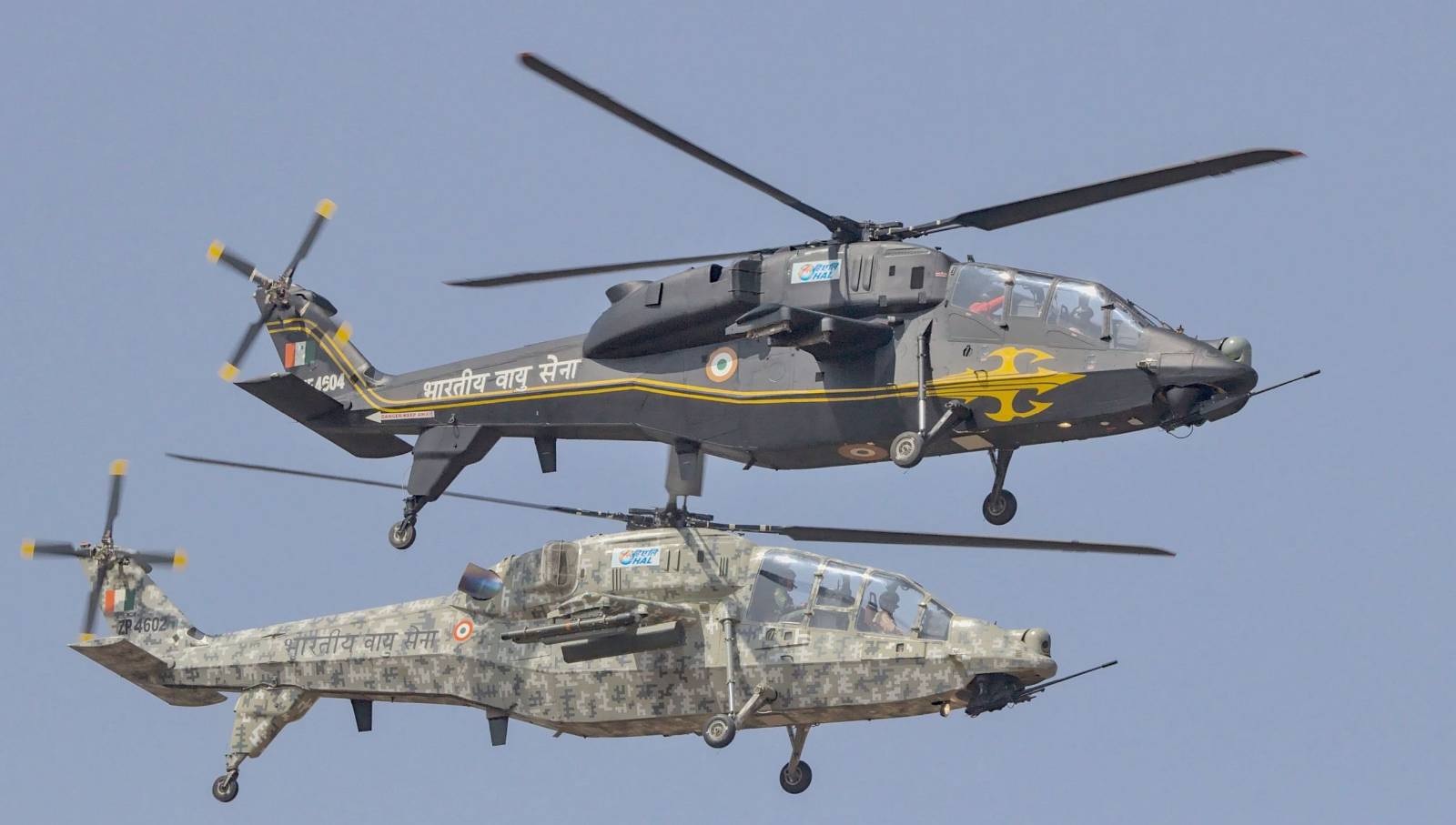
India's light combat helicopter (LCH), known as "Prachand," has entered its second phase of weapon integration, setting the stage for full-scale induction. Hindustan Aeronautics Limited (HAL) has commenced this critical step and is slated to begin deliveries of mission-ready helicopters in roughly three years.
Weapon Integration Enters Next Stage
HAL recently kick-started the second phase of weapon integration for the LCH, which involves seamlessly fitting advanced armaments—such as anti-tank guided missiles, rocket systems, and 20 mm cannon—into the helicopter’s design. This marks a key milestone toward achieving operational readiness for combat deployment.
Delivery Timeline and Contract Scope
Earlier this year, the Indian government approved a landmark deal for 156 LCHs—66 units for the Air Force and 90 for the Army, valued at over ₹62,000 crore (approximately $7.3 billion). According to the contract, the first batch of helicopters will be delivered beginning in March 2028, with subsequent production ramping up to 30 units annually. HAL plans to fulfill all deliveries within five to six years thereafter.
Production and Indigenous Content Goals
Prachand helos will be manufactured across HAL’s aerospace complexes in Bengaluru and Tumkuru. A strategic objective is to locally source at least 65% of the helicopter's components. The contract also earmarks nearly 40% of the workshare for private sector firms, supporting over 250 domestic MSMEs and creating thousands of jobs.
High-Altitude Capability and Multi-Role Design
Developed specifically for high-altitude combat, the LCH is uniquely capable of operating above 5,000 meters, even landing and taking off in Himalayan regions such as Siachen and Ladakh. Its narrow, stealth-optimized fuselage, armour protection, advanced avionics, and tandem cockpit make it versatile for missions including close air support, anti-armour engagement, and counter-insurgency operations.
Enhanced Arms and Sensor Suite
Prachand is equipped with:
-
A 20 mm nose-mounted cannon integrated with a helmet-mounted sight system.
-
70 mm unguided rocket systems with modern fire-control capabilities.
-
Anti-tank guided missiles such as Helina, along with air-to-air missiles like Mistral 2.
-
A cutting-edge sensor suite, including FLIR, electro-optical targeting, radar warning receivers, and missile approach warning systems—enhancing situational awareness and survivability.
Strategic Impact
The ramped-up production of Prachand strengthens India’s defence posture along its mountainous frontiers with China and Pakistan. The indigenous nature of the platform aligns with the Make-in-India initiative and underlines the country’s push toward self-reliance in combat aviation.
✍️ This article is written by the team of The Defense News.