Saudi Arabia Finalizes Two Trilateral Military Alliances, Expanding Power From South Asia To Africa
RIYADH : Saudi Arabia is finalizing Two New Trilateral Military Alliances that signal one of the most consequential shifts in its Foreign And Security Policy in decades, as the kingdom moves decisively into the Geopolitical Arena Of The Red Sea And The Horn Of Africa for the first time.
According to Regional Officials And Defense Sources, one alliance will link Saudi Arabia with Pakistan and Turkey, while a second pact is being finalized with Egypt and Somalia. Together, the two arrangements would place Riyadh at the center of a sprawling Security Architecture stretching from South Asia through the Eastern Mediterranean and deep into East Africa.
The moves reflect a Strategic Pivot that began quietly in Late 2025, as Saudi planners concluded that control of Red Sea Maritime Routes, Food Supply Chains, and Nearby Ports was becoming as vital to national security as traditional Oil Infrastructure. That reassessment has now matured into what regional analysts describe as a nascent Saudi-Led “Red Sea Axis.”
From Religious Outreach To Hard Power
For decades, Saudi Arabia’s Engagement In The Horn Of Africa was limited largely to Religious Diplomacy, Humanitarian Aid, and modest Trade Links. That posture began to change after the launch of Saudi Vision 2030 in 2016, which redefined the kingdom’s Economic And Strategic Priorities.
Under Vision 2030, the Red Sea And Horn Of Africa were reframed as critical to Saudi Food Security, given the kingdom’s dependence on Agricultural Imports, and to Maritime Dominance along shipping lanes connecting Europe And Asia. Those lanes pass through the Bab El-Mandeb Strait, one of the world’s most important Maritime Chokepoints, linking the Suez Canal to the Indian Ocean.
By Late 2025, Riyadh had begun translating that vision into concrete Military And Logistical Initiatives.
Ports, Bases And Influence
Saudi Arabia is currently developing a Logistics Hub In Djibouti and pursuing Port Development Interests in Eritrea’s Assab, which officials say is intended to become a Regional Transshipment Hub. The kingdom has also sought Port Access And Security Arrangements In Somalia, while deepening cooperation with Mogadishu through Arms Supplies, Training Programs, and Intelligence Sharing.
In parallel, Riyadh has expanded its role in the Civil War In Sudan, backing the Muslim Brotherhood-Linked Sudanese Armed Forces. Saudi officials are reported to be seeking Long-Term Access To Port Sudan, a key Red Sea Gateway that would anchor the kingdom’s Western Maritime Flank.
These strands of policy converged in January 2026, when Saudi Arabia And Turkey convened a Naval Cooperation Meeting In Ankara on January 7, a gathering described by participants as the first step toward Formalized Red Sea Maritime Coordination.
The “Islamic NATO” Concept
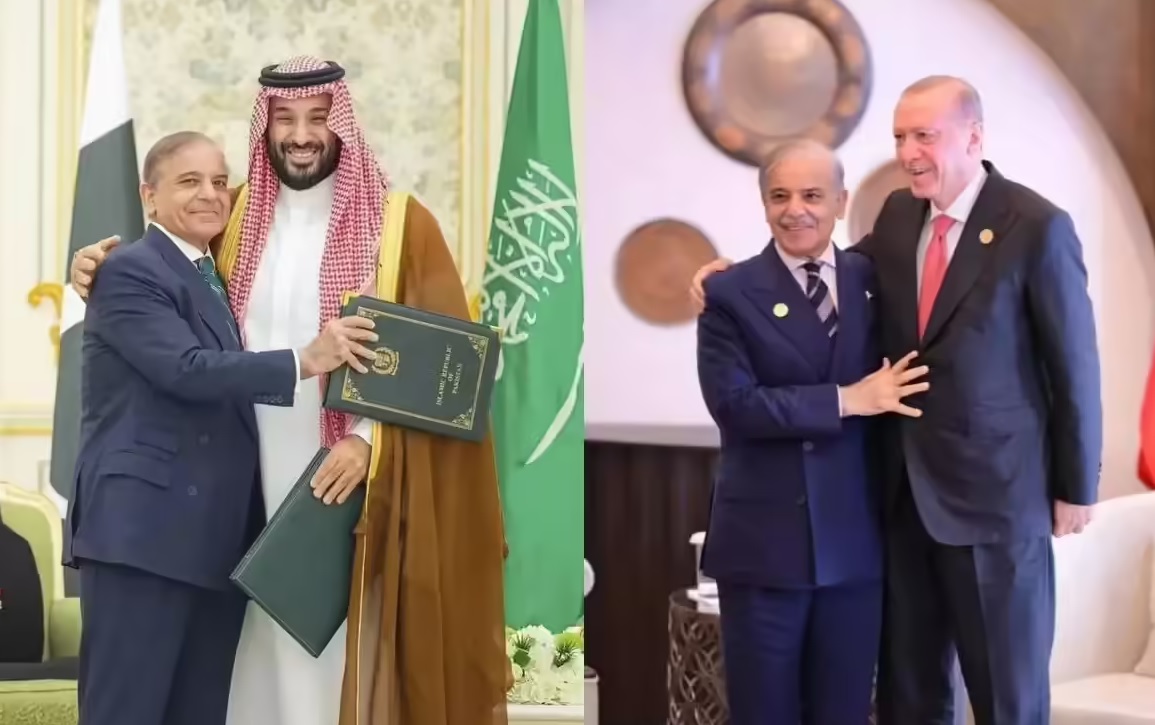
The most ambitious of the new alliances is the emerging Saudi-Pakistan-Turkey Pact, which Pakistan publicly acknowledged on January 15 as nearing completion. In Regional Media And Defense Circles, the arrangement has already been dubbed an “Islamic NATO.”
If finalized, the alliance would fuse Saudi Arabia’s Financial Power, Pakistan’s Nuclear Deterrent And Large-Scale Manpower, and Turkey’s Combat Experience And Advanced Defense Industry, including Drones, Naval Platforms, and Precision Weaponry. The symbolism is as striking as the substance: Three Major Muslim Powers aligning across regions to coordinate Defense Policy beyond the framework of Western-Led Alliances.
Turkey’s Growing Convergence With Saudi Arabia is particularly notable given years of rivalry following the Arab Uprisings. Today, both states back Muslim Brotherhood-Linked Authorities In Sudan And Yemen and maintain close ties with Somalia, signaling a Pragmatic Recalibration driven by shared interests in the Red Sea Basin.
A Second Axis With Egypt And Somalia
Alongside the Pakistan-Turkey Track, Riyadh is also finalizing a second Trilateral Alliance With Egypt And Somalia, focused explicitly on Red Sea Security, the Bab El-Mandeb Strait, and the fallout from Sudan’s Civil War.
The Saudi-Egyptian Dimension builds on a Landmark Naval Protocol signed in September 2025, which laid the groundwork for Joint Patrols, Intelligence Sharing, and Coordinated Responses to threats along the Red Sea Corridor. Somalia’s Inclusion would give the alliance a foothold on the African Side Of The Bab El-Mandeb, tightening Saudi influence over Both Shores Of The Strait.
Arms, Drones And Sudan’s Battlefield
One of the clearest signs of Saudi Arabia’s Assertive New Posture is its reported role in brokering and likely financing a $1.5 Billion Arms Package linking Pakistan to Sudan’s Armed Forces. The deal, according to Defense Sources, is designed to offset the Sudanese army’s growing difficulties against the Rapid Support Forces, which have increasingly relied on Drone Warfare.
Under the arrangement, Sudan is set to receive Karakorum-8 Light Attack Aircraft, Super Mushshak Trainers, Hundreds Of Reconnaissance And Suicide Drones, Air-Defense Systems, and JF-17 Thunder Fighter Jets. The scale of the package underscores Riyadh’s willingness to use Financial Leverage to shape Military Outcomes far beyond its borders.
Western Unease And Regional Ripples
Saudi Arabia’s Expanding Footprint has not gone unnoticed in Washington or Jerusalem. U.S. And Israeli Officials are increasingly questioning whether Riyadh is Hedging Against Full Alignment With The West by constructing alternative Regional Partnerships that could, over time, tilt toward China Or Russia.
The United Arab Emirates, long Saudi Arabia’s closest Gulf Partner, is also watching closely. Emirati Strategists are reportedly uneasy about Riyadh’s growing influence around the Bab El-Mandeb and across the Horn Of Africa, regions where Abu Dhabi has invested heavily over the past decade.
A Wider Arc Of Ambition
Taken together, the two Trilateral Alliances suggest Saudi Arabia is seeking to project power across an arc that runs from Sudan And Somalia through Yemen And Iraq, and eastward toward Pakistan and potentially Bangladesh. It is a vision far removed from the kingdom’s traditionally Cautious Foreign Policy.
Whether this strategy delivers Stability or deepens Regional Rivalries remains uncertain. But what is clear is that Saudi Arabia is no longer content to be a Passive Beneficiary Of Red Sea Security. As one regional diplomat put it, Vision 2030 may yet evolve into something far more expansive — a Long-Term Blueprint For Saudi Power Projection well beyond the Arabian Peninsula.
About the Author
Aditya Kumar:
Defense & Geopolitics Analyst
Aditya Kumar tracks military developments in South Asia, specializing in Indian missile technology and naval strategy.