Saudi Arabia Deploys Armored Forces as UAE-Backed STC Seizes Yemen’s Oil Heartland
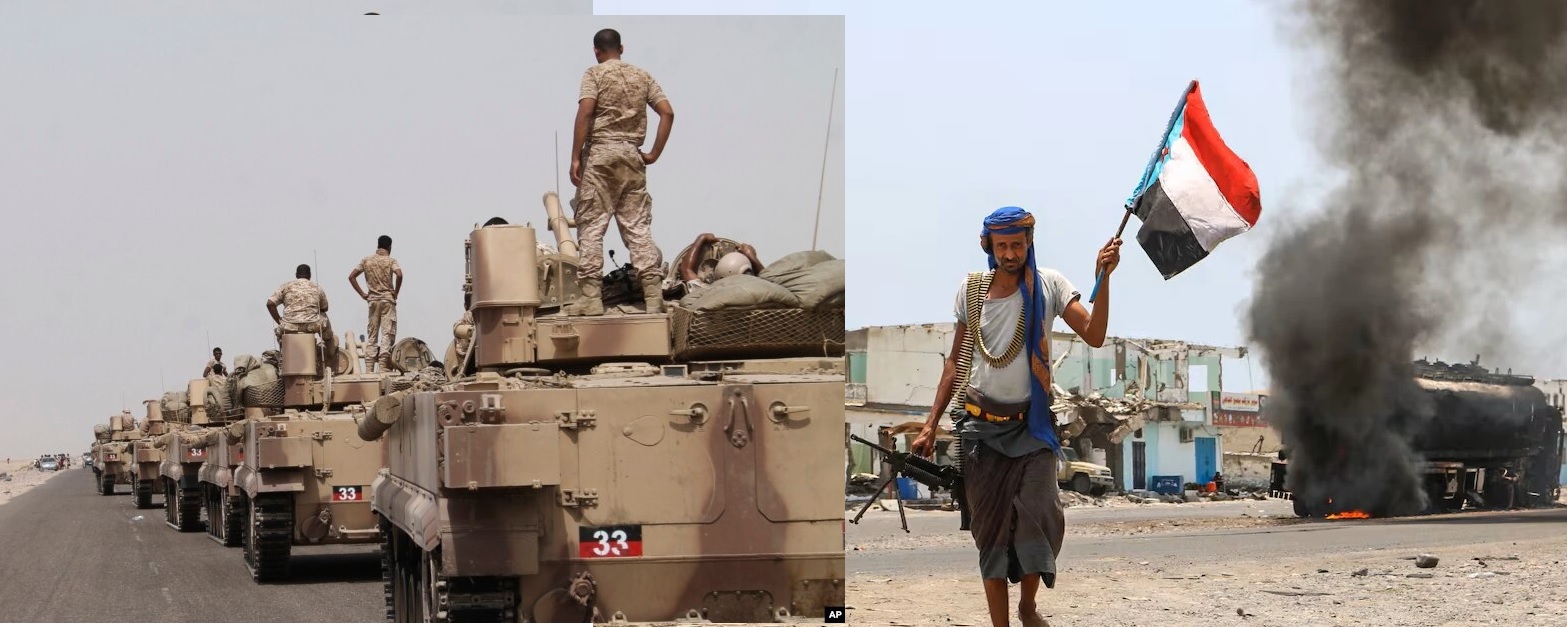
Saudi Arabia has sent armored vehicles and troops toward Yemen’s eastern Hadramaut province after UAE-backed separatist forces swept aside Saudi-aligned units and took control of much of the country’s main oil region, sharply exposing a growing rift inside the anti-Houthi coalition.
What Just Happened in Hadramaut
The trigger for Riyadh’s move is a fast-moving offensive launched at the start of December by the Southern Transitional Council (STC), a separatist group backed and trained by the United Arab Emirates.
On 2–3 December, STC “Southern Armed Forces” began advancing through Wadi Hadramaut, targeting positions held by Yemen’s internationally recognised government, tribal militias and army units of the 1st Military Region. In a campaign the STC calls “Operation Promising Future”, its fighters seized key towns including Seiyun and Tarim, overran bases and checkpoints, and pushed government forces into a hurried retreat.
According to diplomats and local sources, Saudi-backed tribal and government formations offered only light resistance before withdrawing, leaving the separatists in charge of large stretches of the valley and major military sites. This offensive is now commonly referred to as the 2025 Hadramaut offensive, an ongoing operation that has decisively shifted control of the governorate’s inland areas.
Why Hadramaut Is So Important
Hadramaut is Yemen’s largest governorate, covering roughly a third of the country’s land area. More importantly, it contains most of Yemen’s known oil reserves, centred on the Masila basin and the PetroMasila fields, which are responsible for nearly all of the country’s current crude output—around 100,000 barrels per day before the latest turmoil.
The province is also a crucial land bridge: its desert hinterland connects directly into Saudi Arabia’s south, while its coast links to key ports on the Arabian Sea. Any actor controlling Hadramaut gains leverage over Yemen’s export infrastructure and future revenue-sharing in any peace or federal arrangement.
In recent years, local tribal and political leaders have tried to assert greater control over these resources. The Saudi-backed Hadramaut Tribal Alliance created the Hadramaut Protection Forces and deployed them around the Masila fields, declaring they were defending “national resources” from outside interference. That deployment significantly raised tensions with the STC, which accused its rivals of corruption, smuggling and obstructing southern aspirations.
Who Are the STC – and Whose Side Are They On?
The Southern Transitional Council emerged in 2017 out of southern Yemeni protests and long-standing demands to restore the former state of South Yemen. Its leadership, based in Aden, openly calls for either full independence or a high degree of autonomy for the south. Over time, the STC has become the dominant military and political force across much of southern Yemen, thanks largely to Emirati funding, training and equipment.
STC-aligned formations such as the Giants Brigades, Hadhrami Elite Forces and Shabwah Defence Forces now form a powerful, relatively cohesive bloc. During the Hadramaut offensive they deployed an estimated 10,000 fighters, overwhelming scattered government units and extending STC control from the key southern coastal cities deep into the oil-rich interior, and more recently into neighbouring Mahrah on the Omani border.
For years, the STC has nominally been part of the Saudi-sponsored coalition against the Iran-aligned Houthi movement in northern Yemen. In practice, however, it often acts independently, pursuing its own southern agenda and closely coordinating with Abu Dhabi.
Saudi–UAE Rivalry Comes Into the Open
The STC’s rapid takeover of Hadramaut is a strategic setback for Saudi Arabia. Riyadh has invested heavily in pro-government units, border guard forces and tribal militias in the east to ensure that a future Yemeni state remains unified and friendly to Saudi interests. Those forces have now been pushed aside in the very region that contains Yemen’s main oil wealth and that borders Saudi territory.
Reports from regional media and analysts suggest that Saudi Arabia has responded by pushing armored columns—tanks, infantry fighting vehicles and troop carriers—across the Al-Wadi’ah and other crossings into eastern Yemen, reinforcing remaining loyalist positions and establishing new strongpoints along key roads leading into Wadi Hadramaut and toward Mahrah.
At the same time, a Saudi delegation in Hadramaut is said to be under intense pressure from Riyadh to “salvage something from the chaos” through negotiations or local deals, even as the balance of power tilts sharply toward the STC. Some commentators link Abu Dhabi’s green light for the offensive to wider regional tensions, suggesting the Hadramaut front has become a test of strength between the two Gulf partners.
Local Forces and Tribes Squeezed Between Two Patrons
The immediate losers on the ground are the Saudi-aligned tribal and military structures that once shared power in Hadramaut. The Hadramaut Protection Forces, the 1st Military Region, border guard units and various tribal militias have seen positions fall or have withdrawn with little fighting.
Many tribal sheikhs had carefully balanced between Emirati and Saudi support, hoping to keep outside powers at arm’s length while securing funds and weapons. Now they face a stark choice:
-
accommodate the STC, accept a new southern-separatist authority and negotiate for local autonomy and revenue shares, or
-
realign openly with Saudi Arabia and risk being targeted or marginalized if the STC consolidates control.
Early signals suggest a patchwork outcome, with some districts striking understandings with STC commanders while others appeal to Riyadh for protection and resources.
What Saudi Armor Is Likely Trying to Achieve
Saudi Arabia’s armored deployment appears aimed at several overlapping goals rather than direct confrontation:
1. Securing Borders and Crossings
Riyadh wants to ensure the Saudi–Yemeni frontier remains under loyal forces, especially after years of Houthi drone and missile attacks. Controlling crossings also shapes trade and aid flows.
2. Protecting Oil and Infrastructure
By positioning forces near key highways and approaches to the Masila basin, Saudi Arabia can pressure any future authority in Hadramaut regarding oil exports and revenue-sharing.
3. Preserving Leverage in Peace Talks
As talks continue with the Houthis and other factions, territorial control equals negotiating power. Riyadh cannot allow the STC and UAE to become the sole power in the south.
What It Means for Yemen’s War and Future
The escalation in Hadramaut does not directly involve the Houthis, but it could reshape the broader conflict.
If the STC manages to hold all of former South Yemen—Aden, Lahj, Dhale, Abyan, Shabwah, Socotra, Hadramaut and Mahrah. it will be in a strong position to push for independence or a loose federal structure, effectively splitting Yemen once again.
For Saudi Arabia, that would mean dealing with:
-
a Houthi-dominated north aligned with Iran, and
-
an Emirati-backed southern entity controlling coasts and oil resources.
This outcome challenges Riyadh’s goal of a unified Yemeni state and could intensify Saudi–UAE competition.
About the Author
Aditya Kumar:
Defense & Geopolitics Analyst
Aditya Kumar tracks military developments in South Asia, specializing in Indian missile technology and naval strategy.