Satellite Images Reveal Suspected Iranian Strike Damaged Key US Communications Radome in Qatar

In a development that has stirred geopolitical tension and raised serious questions about the vulnerability of US military infrastructure in the Gulf, new satellite imagery appears to confirm that Iran successfully struck a critical US communications facility at Al Udeid Air Base in Qatar during last month’s missile exchange.
The Iranian embassy in India escalated the claim on Friday, posting a video on X (formerly Twitter) with the caption: “Satellite images show that #Iran has taken out the US military's primary Communications Radome in Qatar. The second Radome is located in Kuwait.” The statement came alongside visuals allegedly showing damage to a geodesic structure—widely believed to be part of the US military’s strategic communications backbone in the region.
Independent verification has since come from Iran International, a prominent media outlet, which cited high-resolution satellite images captured by private imaging firm Satellogic on June 24. The pictures suggest that one of the key radomes at Al Udeid Air Base was indeed damaged. The image reportedly shows a “blackened smear” in the radome’s location—indicative of blast or fire damage—with no other visible destruction across the vast base.
Al Udeid Air Base is the largest American military installation in the Middle East and serves as the forward headquarters for US Central Command (CENTCOM). The facility houses thousands of US military personnel and plays a crucial role in coordinating operations across the Gulf, Iraq, Syria, and Afghanistan.
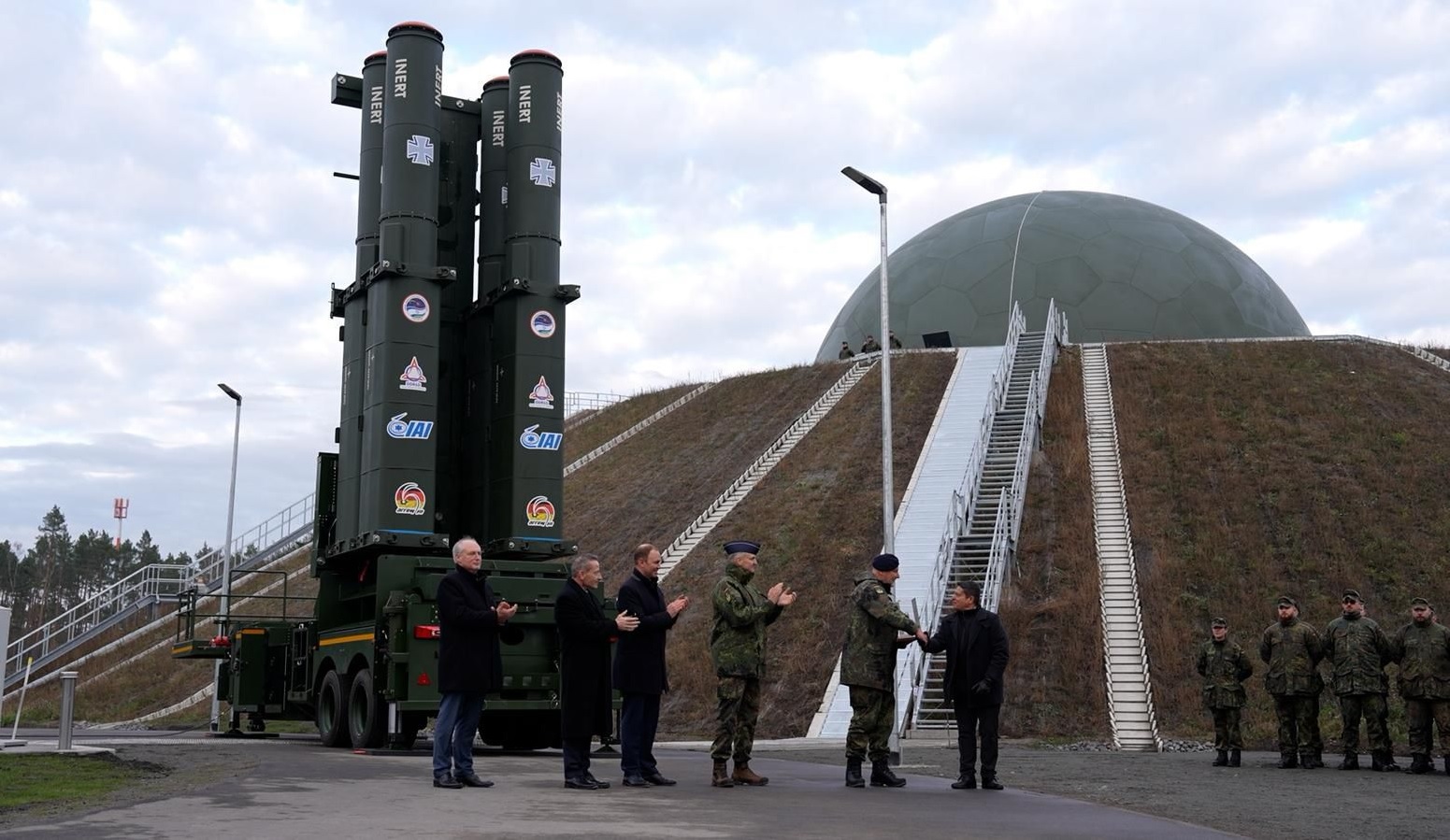
The targeted radome is believed to house a Modernization Enterprise Terminal (MET), a $15 million advanced satellite communications hub that provides encrypted voice, video, and data services. Installed in 2016, the MET system is designed to support military operations with secure, anti-jamming communication links to the Pentagon and other combatant commands. Its potential disablement marks a serious blow to US command and control capabilities in the region.
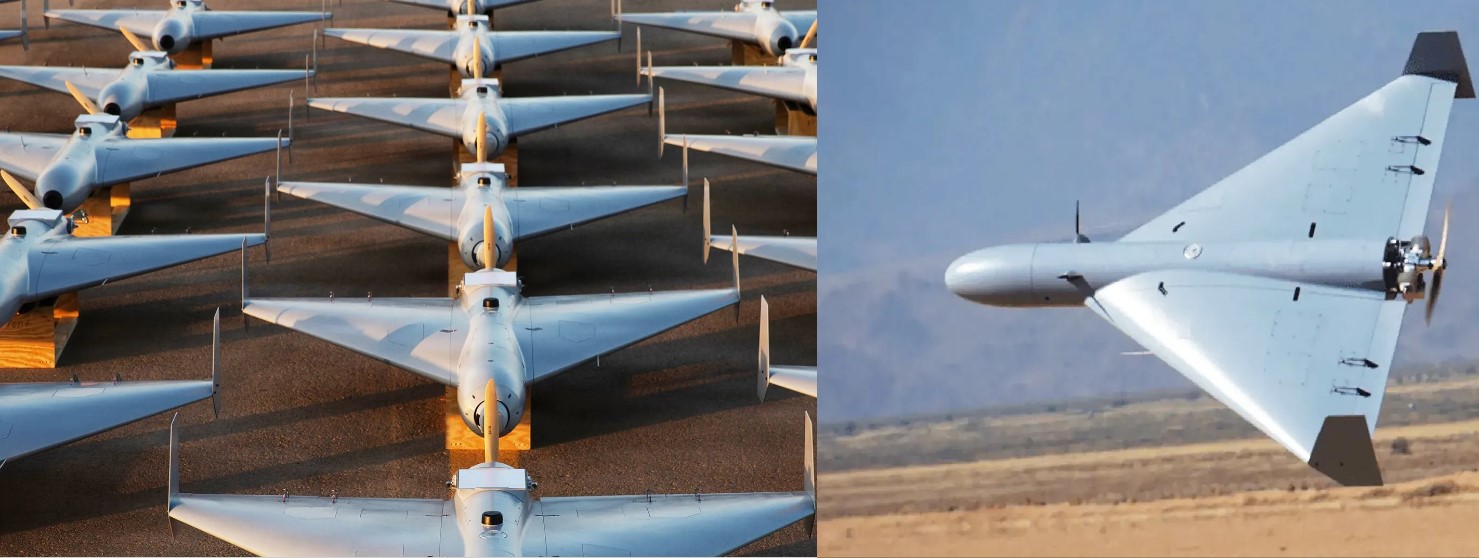
Iran’s strike came on June 23, just one day after US forces reportedly carried out covert airstrikes on three of Iran’s nuclear-related facilities during a 12-day escalation between Israel and Iran. In retaliation, Tehran launched a barrage of missiles aimed at US and allied assets in the Gulf. According to CENTCOM, most incoming missiles were intercepted with the help of Qatari partners and two US Army-operated Patriot missile defense batteries stationed at the base. Yet, satellite evidence suggests at least one projectile—or possibly an armed drone—successfully evaded defenses.
“From the moment the Iranian missiles were detected, they had just about two minutes to respond,” said defense expert Farzin Nadimi, speaking to Iran International. He added that the possibility of a drone bypassing missile defenses cannot be ruled out. “It may have slipped through while the Patriot batteries were busy intercepting incoming missiles.”
The US government has offered little official response. In a Truth Social post, former President Donald Trump downplayed the attack, stating that 13 missiles were intercepted and only one was allowed to proceed as it posed no threat. He claimed “hardly any damage” was done and “NO Americans were harmed.”
Yet, the visible destruction to a high-value communications node paints a more complex picture. The damage appears isolated but significant, given the strategic importance of the MET facility. The Pentagon has yet to publicly confirm or deny the extent of the impact.
Despite the incident, Washington refrained from retaliatory military action, and President Trump announced a ceasefire shortly thereafter. The fragile calm holds for now, but questions remain about the effectiveness of US missile defenses and the increasing risk posed by Iranian precision strikes in the region.
The possible disabling of such a critical facility, even temporarily, underlines the growing sophistication of Iran’s long-range strike capabilities and raises fresh concerns about the security of forward-deployed US assets. With Tehran now openly boasting about its ability to strike sensitive American infrastructure, the incident marks a new phase in the shadow war playing out across the Gulf.
✍️ This article is written by the team of The Defense News.