Saab Secures SEK 60M Contract from FMV to Advance Sweden’s Large Uncrewed Undersea Vehicle (LUUV) Program
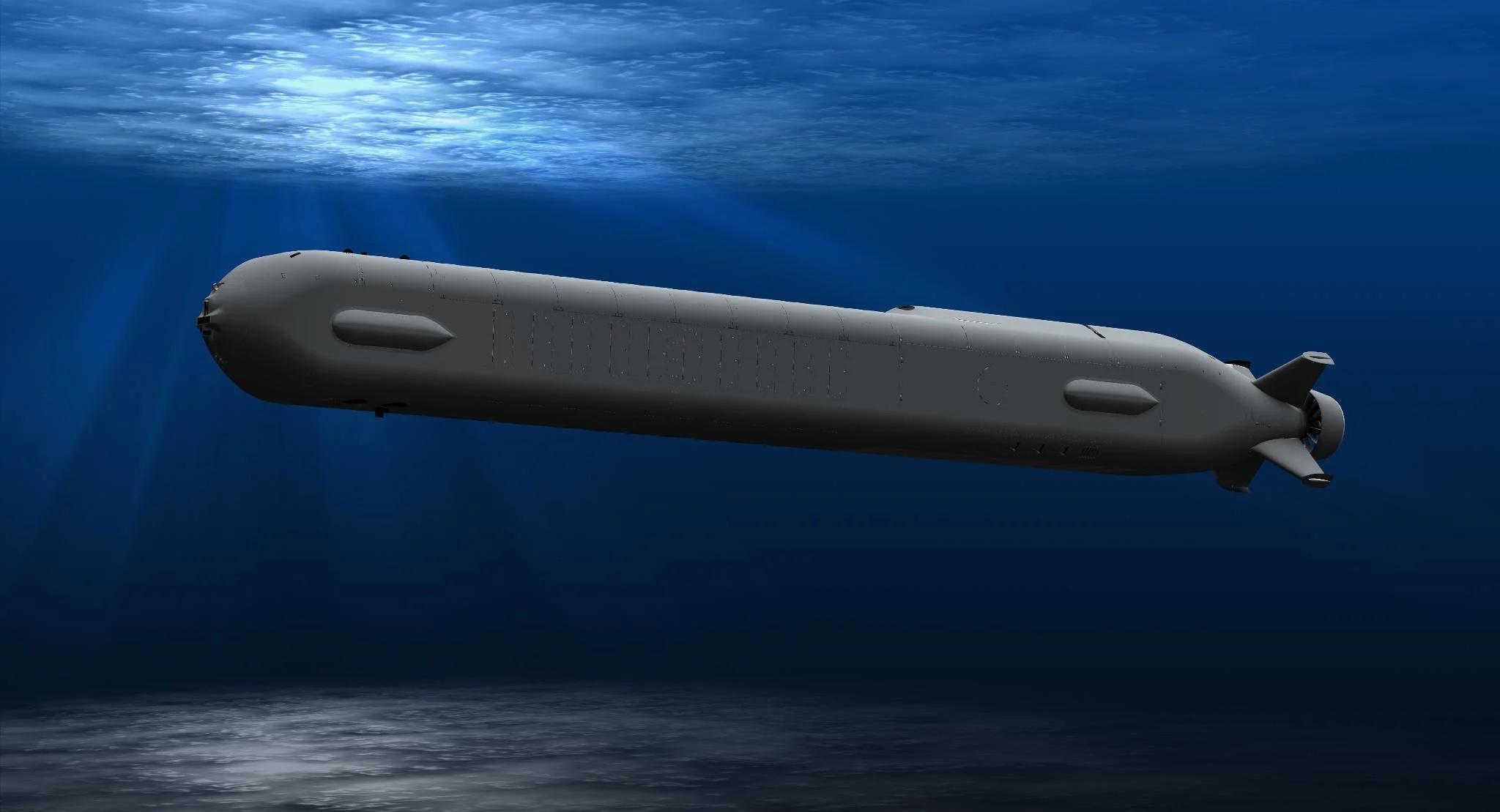
Stockholm, 29 August 2025 – Saab has signed a SEK 60 million contract with the Swedish Defence Materiel Administration (FMV) to develop a concept for a Large Uncrewed Undersea Vehicle (LUUV). Valued at roughly EUR 5.2 million, the project represents a significant step in Sweden’s naval robotics ambitions.
As the prime contractor, Saab will oversee the LUUV’s design, construction, and testing. A key element of the system will be Saab’s Autonomous Ocean Core, an advanced control system designed to deliver autonomous functions both on the ocean surface and deep below.
Project Objectives & Strategic Importance
The LUUV is being developed as a sensor platform, not a weaponized system in its initial phase. Its mission will focus on seabed mapping, monitoring critical underwater infrastructure, and detecting hidden threats. By doing so, it will enhance Sweden’s ability to protect its maritime territory and strengthen situational awareness for naval operators.
The first sea trials are expected to begin in the summer of 2026, marking the start of operational testing and validation.
Saab’s Role & Sweden’s Vision
Mats Wicksell, head of Saab’s Kockums business area, highlighted the importance of speed and innovation in this program, noting that the collaboration with FMV and the Swedish Armed Forces allows Saab to demonstrate its ability to deliver advanced systems tailored to modern defense challenges.
This project aligns closely with Sweden’s Total Defense 2025 strategy, which emphasizes technological independence and leadership in autonomous systems. Saab already has a strong record in developing advanced undersea solutions, such as the AUV62-MR used for mine countermeasures and training.
Market Outlook
The LUUV project also positions Saab in the rapidly growing global autonomous underwater vehicle (AUV) market, which is projected to almost double in value from $2.7 billion in 2025 to $5.9 billion by 2030. Demand is rising not only in defense but also in offshore energy, seabed exploration, and environmental monitoring.
✍️ This article is written by the team of The Defense News.