Saab Secures SEK 3 Billion RBS 70 Bolide Missile Order from Lithuania, Deliveries Planned for 2028–2032
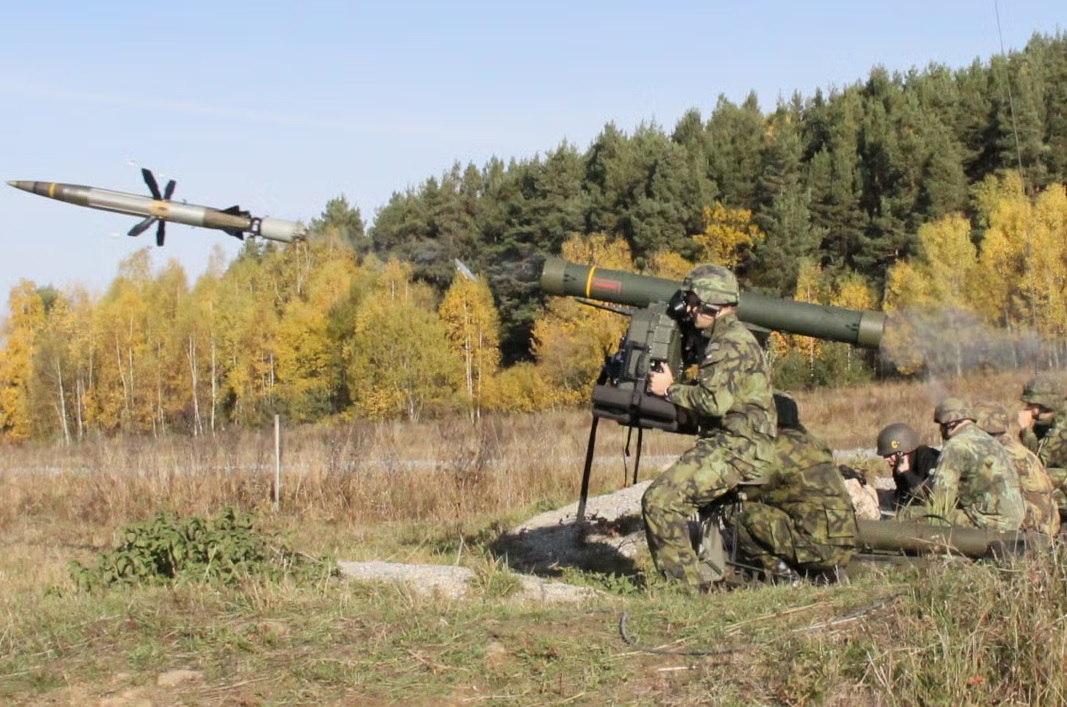
Stockholm / Vilnius: Swedish defence major Saab AB has received a major SEK 3 billion order from the Lithuanian Ministry of National Defence for RBS 70 Bolide short-range air defence missiles, marking a significant reinforcement of Lithuania’s layered air defence posture. Deliveries of the missiles are scheduled to take place over a five-year period from 2028 to 2032, Saab confirmed.
The procurement has been placed under a framework agreement for Saab’s RBS 70 NG short-range air defence system, involving Saab, the Swedish Defence Materiel Administration (FMV), and the Lithuanian Ministry of National Defence. The framework is designed to ensure long-term availability, predictable deliveries, and sustained operational support for Lithuania’s air defence forces.
Strengthening Lithuania’s Air Defence Network
Lithuania has operated the RBS 70 air defence system since 2004, making it one of the longest-serving users of the Swedish-designed solution. Over two decades, the system has become a cornerstone of Lithuania’s short-range air defence, valued for its high mobility, battlefield robustness, and resistance to electronic warfare.
The latest order focuses on the Bolide missile, the most advanced interceptor developed for the RBS 70 family. The Bolide significantly expands the engagement envelope of the system, enabling Lithuanian forces to counter a broad spectrum of modern aerial threats.
“With this order, we continue our commitment to supporting the Lithuanian Armed Forces with our world-leading RBS 70 missiles. These form a key part of the nation’s air defence capability and contribute to keeping Lithuania’s airspace safe,” said Görgen Johansson, Head of Saab’s Business Area Dynamics.
Bolide Missile: Capabilities and Performance
The RBS 70 Bolide is a high-speed, laser beam-riding missile specifically designed to defeat modern and emerging airborne threats. Unlike heat-seeking missiles, its laser-guided system makes it immune to jamming, flares, and infrared decoys, a decisive advantage in today’s electronic warfare-intensive environment.
Key performance parameters of the Bolide missile include:
-
Maximum engagement range: up to 9 km
-
Maximum engagement altitude: up to 5 km
-
Target set: UAVs and loitering munitions, helicopters, fast jets, and low-flying cruise missiles
-
Warhead penetration: capable of penetrating approximately 200 mm of armour, increasing lethality against hardened or fast-moving targets
These capabilities significantly enhance Lithuania’s ability to defend critical infrastructure, military formations, and manoeuvring units against low-altitude and high-speed threats.
Integration with Mobile Air Defence Systems
The RBS 70 NG is already integrated into Lithuania’s vehicle-mounted mobile air defence systems, providing protection to moving military units during manoeuvres and deployments. The system combines missile launchers with surveillance sensors and command-and-control elements, enabling rapid reaction and high operational flexibility.
The newly ordered Bolide missiles will further strengthen this mobile air defence layer, ensuring sustained readiness and ammunition availability for years to come.
Strategic Significance
Lithuanian Minister of National Defence Robertas Kaunas underlined the importance of the deal, stating that strengthening air defence remains a top national priority. The acquisition, he said, ensures an uninterrupted supply of critical air defence ammunition for the Lithuanian Armed Forces at a time of heightened regional security concerns.
The SEK 3 billion contract also underscores Saab’s growing role as a key air defence supplier to NATO and European frontline states. As demand rises for highly mobile, short-range air defence systems capable of countering drones, cruise missiles, and fast jets, the RBS 70 NG and Bolide combination continues to attract sustained international interest.
With deliveries beginning in 2028 and running through 2032, the agreement represents a long-term investment in Lithuania’s airspace security and a further deepening of defence cooperation between Lithuania and Sweden.
✍️ This article is written by the team of The Defense News.