Saab Secures $1 Billion Contract for Final Production Phase of Sweden’s A26 Blekinge-Class Submarines
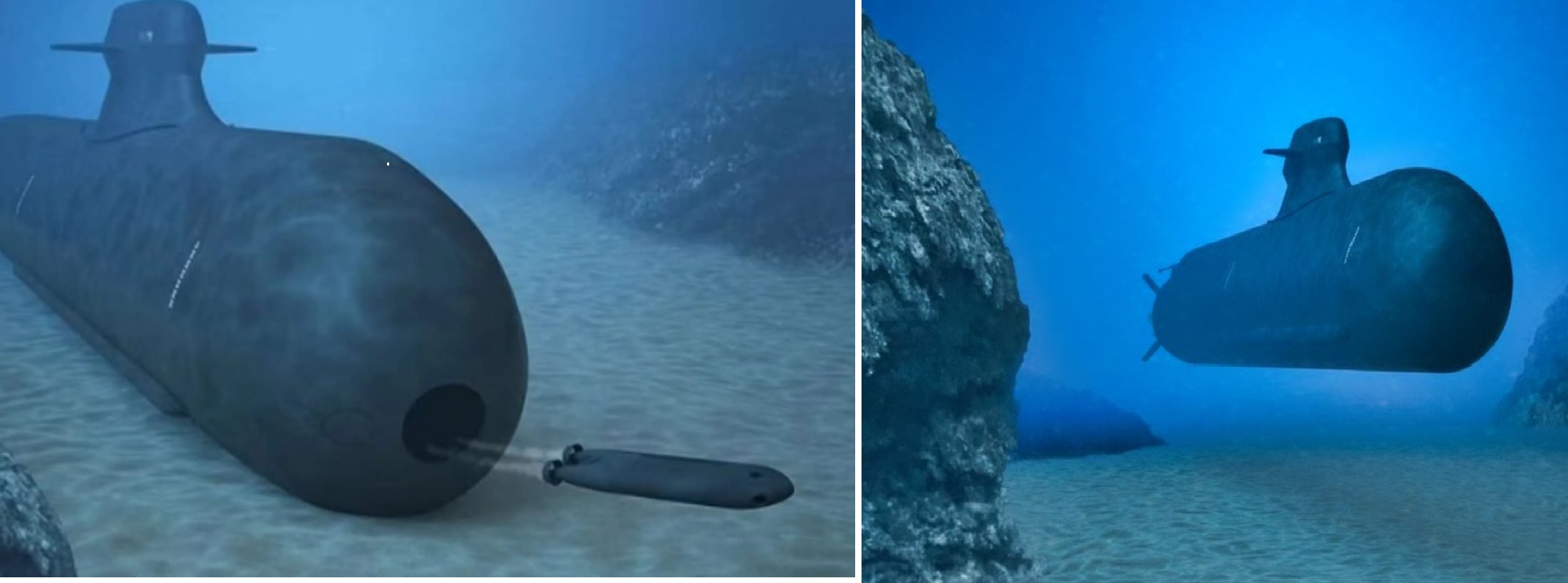
On October 13, Saab announced that it had signed a major contract with the Swedish Defence Materiel Administration (FMV) to proceed with the final production phase of the Blekinge-class (A26) submarines—Sweden’s most advanced and ambitious undersea warfare program to date. The new order, valued at approximately 9.6 billion Swedish kronor (USD 1 billion), covers the procurement of additional materials, systems integration, and services related to the two submarines previously commissioned by the Swedish government. Deliveries under this phase are expected to occur primarily between 2026 and 2032.
A Milestone for Sweden’s Submarine Force
The A26 Blekinge-class represents the next generation of conventional submarines, designed to replace Sweden’s aging Gotland-class and Västergötland-class vessels. These submarines, originally commissioned between the 1980s and 1990s, have served as the backbone of Sweden’s undersea defense capability but are now nearing the end of their operational lifespan.
Micael Johansson, President and CEO of Saab, underscored the significance of this partnership, stating:
“Saab is currently building the world’s most advanced conventional submarines for Sweden. Thanks to the excellent cooperation between Saab and FMV, we have ensured that Sweden will have a next-generation submarine capability that will help keep our nation’s waters secure for decades to come.”
The A26 program is central to the modernization of the Swedish Navy, reinforcing Sweden’s maritime deterrence in the increasingly strategic Baltic Sea region.
Program Delays and Revised Timelines
While progress continues, recent updates from the Swedish Armed Forces indicate a schedule adjustment, pushing the expected delivery of the two A26 submarines—HMS Blekinge and HMS Skåne—from the original 2026–2030 window to 2031–2035.
A recent defense budget report noted that the revised timeline will require renegotiations of both cost and delivery schedules, as the delay could impact Sweden’s short-term submarine availability. The Swedish Armed Forces are currently assessing the operational implications and working with Saab to mitigate long-term capability gaps.
Sustaining Capability Through Fleet Upgrades
To maintain readiness amid delays, the Swedish Navy has initiated a mid-life modernization program for its existing submarines. In February 2025, Saab completed upgrades for all three Gotland-class submarines—HMS Gotland, HMS Uppland, and HMS Halland—along with HMS Södermanland of the Västergötland class.
This modernization effort, valued at USD 116 million, involved the replacement or upgrade of over twenty core systems, including sensors, sonar suites, command-and-control architecture, and navigation technologies. Notably, several of these upgraded components are identical to those intended for the upcoming A26 class, effectively serving as real-world validation platforms.
Inside the A26 Blekinge-Class: Cutting-Edge Features
The A26 Blekinge-class submarines are being constructed at Saab Kockums’ shipyard in Karlskrona, a site with a rich legacy of submarine manufacturing.
Key features of the A26 class include:
-
Air-Independent Propulsion (AIP) based on Stirling engine technology, allowing for extended submerged endurance.
-
Modular design enabling flexible mission configurations, from intelligence gathering to special operations.
-
Multi-Mission Portal (MMP) —a unique lock system that allows divers, unmanned vehicles, or special forces to deploy underwater without surfacing.
-
Advanced stealth technologies, including acoustic dampening and radar-absorbing coatings, making it one of the quietest non-nuclear submarines in service.
-
Future-proof systems integration, allowing for rapid upgrades and compatibility with emerging digital warfare systems.
These attributes collectively make the A26 one of the most sophisticated diesel-electric submarines under development globally—often compared favorably to Japan’s Taigei class and Germany’s Type-212CD.
Strategic Significance for the Baltic and Beyond
Sweden’s renewed focus on undersea capabilities comes amid heightened security tensions in the Baltic Sea, especially after joining NATO in 2025. The A26 submarines will play a vital role in enhancing Sweden’s deterrence posture, securing undersea communication cables, and safeguarding maritime trade routes.
With the A26 project, Saab is not only meeting national defense requirements but also positioning itself for potential export opportunities. Nations like Poland, the Netherlands, and Australia have previously expressed interest in A26-derived technologies, potentially expanding Saab’s footprint in the global submarine market.
Conclusion
The new 9.6 billion SEK contract marks a decisive step toward delivering the Blekinge-class submarines, ensuring that Sweden maintains a modern and capable undersea force well into the mid-21st century. Despite delays, the ongoing collaboration between Saab and FMV underscores Sweden’s long-term commitment to maintaining technological sovereignty in naval defense manufacturing.
As the program advances toward its final production phase, Saab’s A26 submarines stand as a testament to Swedish innovation, engineering excellence, and strategic foresight in an increasingly complex maritime security environment.
About the Author
Aditya Kumar:
Defense & Geopolitics Analyst
Aditya Kumar tracks military developments in South Asia, specializing in Indian missile technology and naval strategy.