Russia’s Hack on Ukrainian Satellite Sparks Fears of a New Space War
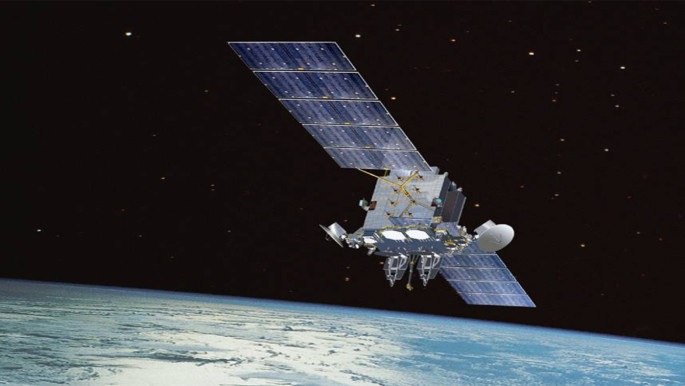
As Russia marked Victory Day with a grand military parade in Moscow, the cyberwar spilled into orbit. Hackers aligned with the Kremlin hijacked a satellite broadcasting television into Ukraine, replacing local programming with chilling live feeds of tanks, troops, and military hardware rolling through Red Square. It was a stark reminder that modern warfare extends far beyond land, sea, and air—into cyberspace and the reaches of outer space.
The attack was more than psychological intimidation. Experts warn that disabling a satellite can cause devastating disruption without a single bullet being fired. From GPS navigation and military communications to missile early-warning systems and global supply chains, the 12,000-plus satellites circling Earth are now prime national security targets.
“Think about GPS. Imagine if a population lost that and the confusion it would cause,” explained Tom Pace, CEO of the cybersecurity firm NetRise. His warning echoes the 2022 Viasat hack, when malware crippled tens of thousands of modems in Europe as Russian troops invaded Ukraine.
The Rising Threat of Space Weapons
Western intelligence agencies say Moscow is now developing an even more dangerous tool: a nuclear-based anti-satellite weapon. Declassified U.S. assessments suggest the system could wipe out nearly all satellites in low-Earth orbit with a combination of a physical strike and nuclear radiation frying onboard electronics.
“If this weapon is ever deployed, it would be the end of the space age,” said U.S. Congressman Mike Turner, who compared the threat to the Cuban Missile Crisis in space. Analysts warn such a strike could paralyze economies, cripple militaries, and create an orbital debris field rendering low-Earth orbit unusable for years.
China, too, has raised alarms. While Beijing officially opposes militarizing space, U.S. officials argue it is pursuing parallel programs, including plans for nuclear power facilities on the moon.
Moon Mining and the New Space Race
Beyond military conflict, outer space is emerging as the next arena of economic competition. The moon’s reserves of helium-3, a potential fuel for future fusion reactors, have triggered a race to establish bases and energy infrastructure. NASA has announced plans to deploy a small nuclear reactor to the lunar surface, while China and Russia are also advancing lunar power projects.
“This isn’t science fiction—it’s quickly becoming reality,” said cybersecurity expert Joseph Rooke. “Whoever dominates space energy could dominate Earth’s future.”
America’s Response
To counter rising threats, Washington has expanded its U.S. Space Force, created in 2019. The service has declared space a “warfighting domain” and is building capabilities to protect satellites, contest hostile actions, and maintain control of orbit. The Pentagon has also relied on the X-37B unmanned spaceplane, which conducts classified missions and technology tests during long-duration flights.
But challenges remain. A recent attempt by Australia to launch its first domestically built rocket failed just seconds after liftoff—proof of the difficulty and expense of securing independent space access.
Still, U.S. officials say space dominance is non-negotiable. “You have to pay attention to these things so they don’t happen,” Turner emphasized, warning that complacency could allow rivals to turn the heavens into a battlefield.
What began as a satellite hack over Ukraine is increasingly viewed as a signal: the next Cold War may be fought not just on Earth, but in orbit and beyond.
✍️ This article is written by the team of The Defense News.