Russian Tsirkon Missiles (or Zircon) Showcased in Mediterranean Exercises: A Glimpse at Hypersonic Power

On December 3, 2024, the Russian Ministry of Defense revealed its latest missile capabilities in an ambitious military exercise conducted over the Mediterranean Sea. The event showcased cutting-edge weaponry, including the much-discussed 3M22 Tsirkon (or Zircon) hypersonic missile, marking a pivotal moment in Russia's demonstration of its advanced military technology. These drills were not only a strategic show of force but also provided the first visual confirmation of the Tsirkon missile in action, quelling speculation about its design and performance.
A Multi-Pronged Display of Firepower
The exercises involved an impressive array of military assets, including the frigates Admiral Gorshkov and Admiral Golovko from Project 22350, which fired Tsirkon missiles. Meanwhile, the diesel-electric submarine Novorossiysk (Project 06363 Varshavyanka) launched 3M14 Kalibr cruise missiles, and the K-300P Bastion coastal defense system deployed supersonic 3M55 Onyx missiles. This diversified missile barrage targeted a makeshift barge stacked with containers, achieving direct hits.
Adding to the grandeur, the drills also featured over 1,000 personnel, 10 warships, and 24 aircraft, including MiG-31K fighter jets armed with Kinzhal hypersonic missiles. The location of these firings, while not explicitly disclosed, is believed to be near Syria’s coast, utilizing Russia’s base infrastructure in the region.
A Closer Look at the Tsirkon
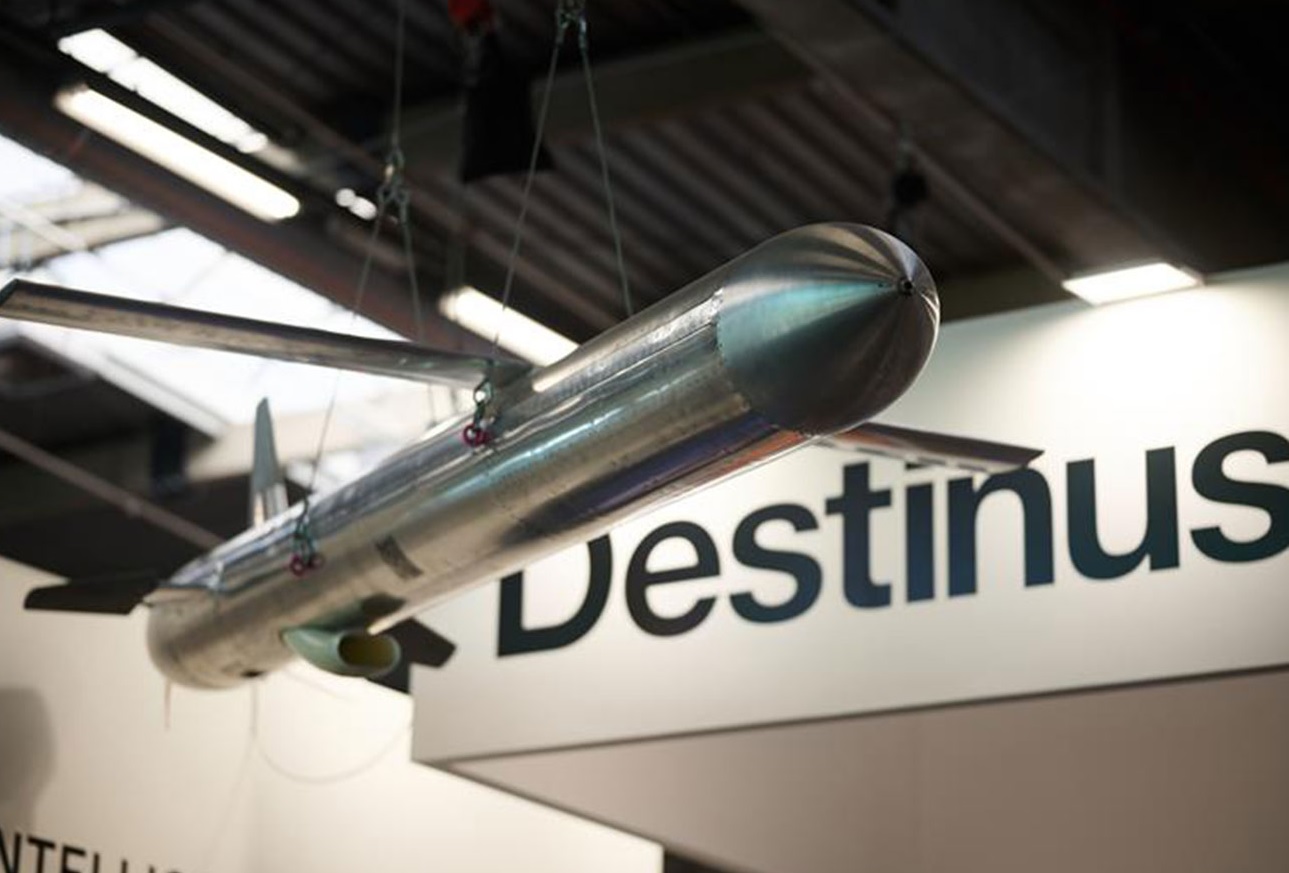
For the first time, the public got a clear view of the Tsirkon missile, dispelling previous speculative depictions. Unlike earlier artistic renderings, the actual Tsirkon features a conventional design akin to the Onyx missile, with a central circular air intake capped during transport and launch. This simplicity belies the sophistication of its hypersonic technology.
Manufactured by NPO Mashinostroyeniya, the Tsirkon is equipped with advanced propulsion systems that enable it to achieve speeds of Mach 5.5 during cruise and up to Mach 7.5 during terminal descent. It flies in the upper atmosphere, reducing air resistance and making it challenging for conventional missile defense systems to intercept. However, research conducted after Ukrainian forces recovered remnants of the missile suggests that its speeds fall slightly short of the claimed Mach 9 threshold.
Strategic Implications
The Tsirkon’s capabilities signify a new era of naval warfare. Its hypersonic speed, combined with its ability to maneuver at high altitudes, makes it a formidable weapon against high-value targets. The missile is currently compatible with Russia's advanced Project 22350 frigates, Project 08850 nuclear submarines, and land-based Bastion launchers, ensuring its operational versatility.
The timing of this demonstration is significant. Russia appears to be repositioning its military assets in the region, potentially as part of a strategic withdrawal from Tartus, Syria, while framing the move as a routine training cycle. By conducting such high-profile exercises, Moscow projects strength even amid geopolitical shifts.
The Future of Hypersonic Warfare
With the Tsirkon entering serial production and deliveries underway, Russia is solidifying its hypersonic arsenal. This development underscores the growing importance of hypersonic technology in modern military strategy, as nations worldwide scramble to counter these advanced weapons. For now, only top-tier systems, like the MBDA Aster 30 B1NT, are thought capable of intercepting missiles like the Tsirkon, placing immense pressure on global defense development.
This Mediterranean showcase, paired with the unveiling of the Tsirkon’s true design, highlights the evolving dynamics of military power in the region and beyond. Whether for deterrence or dominance, Russia’s hypersonic capabilities are shaping the future battlefield.
✍️ This article is written by the team of The Defense News.