Russia Unveils Upgraded Shahed-136 Drone with RAM-Coated, EW-Shielded, and Fully Autonomous

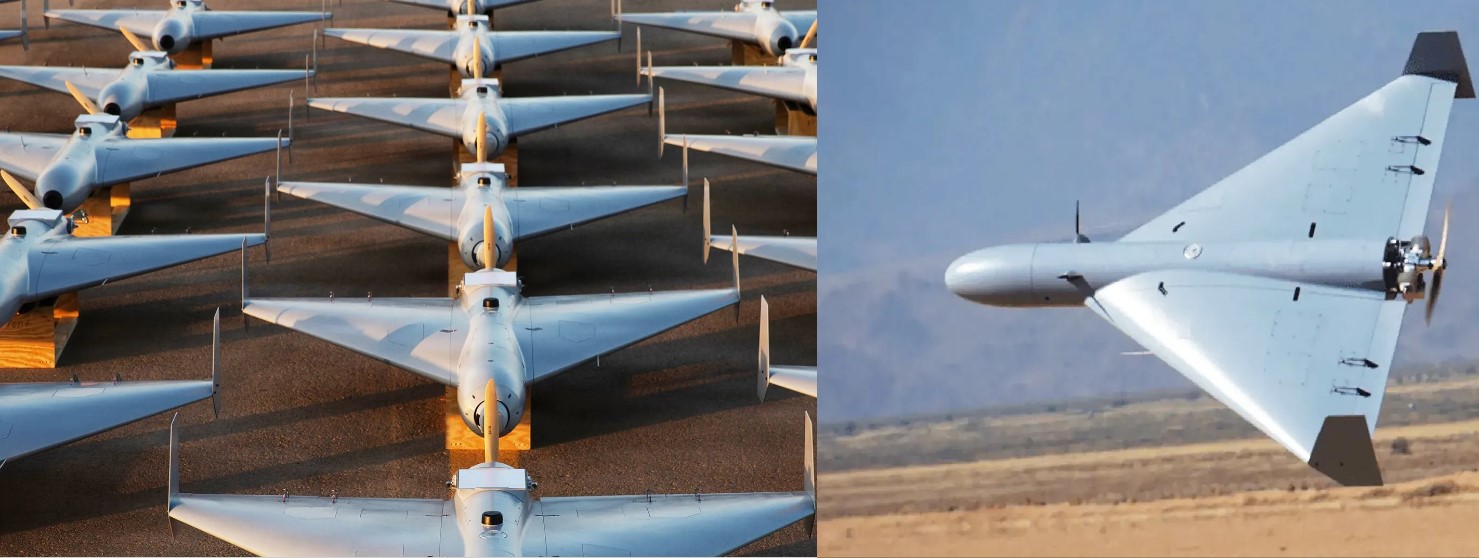
Russia has unveiled upgraded version of the Iranian-designed Shahed-136 drone, rebranded and heavily modified as the Geran-2. The new variant is equipped with radar-absorbing materials (RAM), advanced electronic warfare (EW) shielding, and an onboard AI guidance system—making it far more capable than its earlier versions and far more dangerous on the modern battlefield.
The modified drone, produced at Russia’s Alabuga and Izhevsk facilities, reflects Moscow’s push to develop long-range autonomous strike capabilities that can operate effectively even in GPS-denied and EW-heavy environments.
Stealth Enhancements and Survivability
New satellite images and leaked interior footage from the Alabuga production site show that the Russian Geran-2 now incorporates a composite airframe coated in radar-absorbent material. The redesign is reportedly aimed at minimizing radar cross-section and enhancing the drone’s ability to evade detection by air defense systems.
According to reports from The War Zone and independent defense analysts, Russian engineers have also reinforced the drone’s rear engine housing with armored materials. The internal layout has been adjusted to relocate fuel tanks to the fuselage, increasing protection and range.
Electronic Warfare Resistance
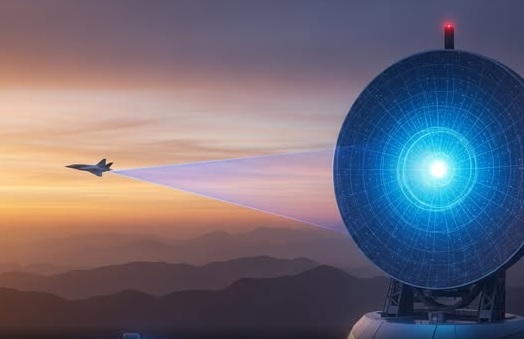
The Geran-2 has been outfitted with advanced EW shielding, including Controlled Radiation Pattern Antenna (CRPA) arrays, which allow it to resist GPS jamming and spoofing. This means the drone can maintain satellite navigation in contested zones where traditional UAVs would fail.
In addition, some recovered drone wreckage in Ukraine revealed the presence of 3G/4G modems, suggesting that Russian operators are testing new telemetry and live-video transmission systems for mid-course correction and target confirmation, even during active electronic warfare.
Autonomous Targeting with AI
Perhaps the most significant advancement is the integration of artificial intelligence-based target recognition. The latest versions of the drone include AI modules—possibly using Nvidia Jetson-class processors—that allow the drone to independently identify and engage targets based on visual or thermal signatures.
Ukrainian defense officials and battlefield reports have confirmed that recent Geran-2 drones were capable of switching from GPS-based navigation to heat signature tracking when encountering interference. These drones have been seen altering their flight paths and reprioritizing targets mid-mission, indicating a new level of autonomy.
Swarm Coordination and Deep-Strike Capability
With an estimated range exceeding 1,000 km, these upgraded drones give Russia the ability to launch coordinated, long-distance strikes far behind enemy lines. Their ability to operate in swarms and self-coordinate mid-flight—without external input—makes them especially difficult to intercept.
According to Ukrainian military intelligence, Russian forces are now deploying the drones in tandem, using one as a decoy at low altitude to draw fire and another at a higher altitude to execute the strike. The Ukrainian Air Force has confirmed an uptick in these tactics since May 2025.
Why It Matters
The emergence of a RAM-coated, AI-guided, EW-shielded Shahed-136 variant marks a dangerous evolution in drone warfare. No longer cheap and expendable, the Geran-2 now represents a smart, survivable, and highly autonomous long-range weapon. Its effectiveness is already being seen on the battlefield, with critical infrastructure and military targets hit hundreds of kilometers from the frontlines.
For Russia, this technology fills a critical gap in long-range strike capability without risking manned aircraft. For adversaries like Ukraine—and potentially NATO in the future—it signals a growing need to develop advanced countermeasures, from drone-detection mesh networks to AI-enabled air defense systems.
Russia is already rumored to be working on a next-generation drone based on the Iranian Shahed-238, featuring a jet engine and even higher speed and range. The mass production of these long-range drones—estimated at over 2,500 per month—suggests Moscow is preparing for sustained and sophisticated drone warfare well beyond the current conflict.
As battlefield technology continues to evolve, one thing is certain: the age of autonomous, AI-driven aerial combat has fully arrived.
✍️ This article is written by the team of The Defense News.