Russia Unveils Explosive Unmanned Sea Drone in Baltic Sea Naval Exercises
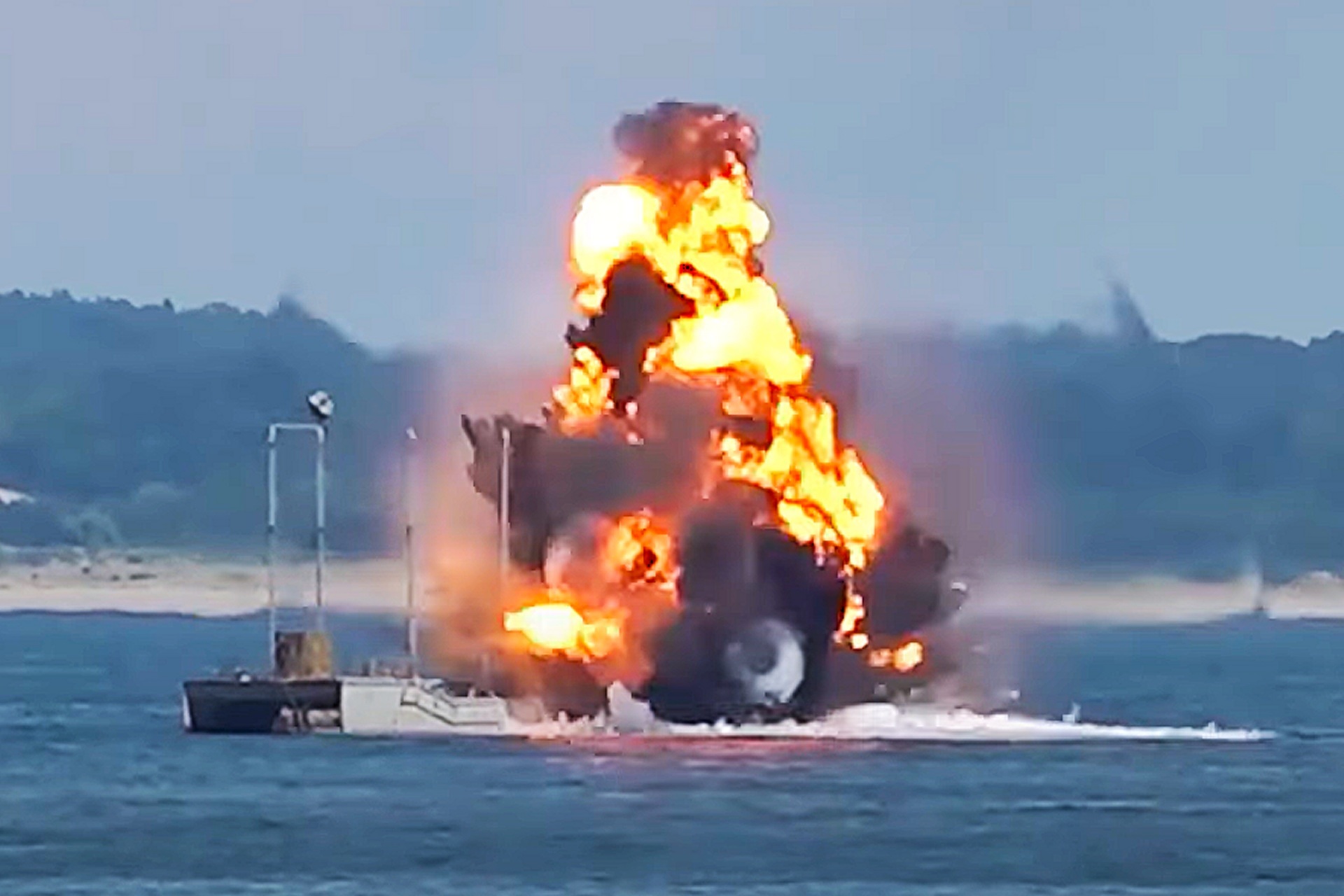
Russia has showcased a powerful new unmanned surface drone during its large-scale naval drills in the Baltic Sea, signaling a growing focus on autonomous maritime warfare. The exercise, called "July Storm", was held on July 26, 2025, and featured the dramatic deployment of a crewless vessel loaded with explosives, which was filmed speeding toward a floating target before detonating in a large explosion.
According to the Russian Ministry of Defense, the drone is meant to simulate attacks on maritime targets, and its display was part of broader drills meant to test and demonstrate next-generation naval combat systems. While the explosion was impressive, analysts say the test lacked realism. The drone targeted a static, unprotected structure in calm waters, which does not reflect real combat conditions.
Despite these limitations, pro-Kremlin commentators made bold claims, stating the drone could operate autonomously for 24 hours and strike targets over 300 kilometers away. Such a range would put Ukrainian port cities like Odesa and Izmail within reach from occupied Crimea. However, these performance figures remain unverified, and there is no public evidence yet of the drone being used in real operations or produced in large numbers.
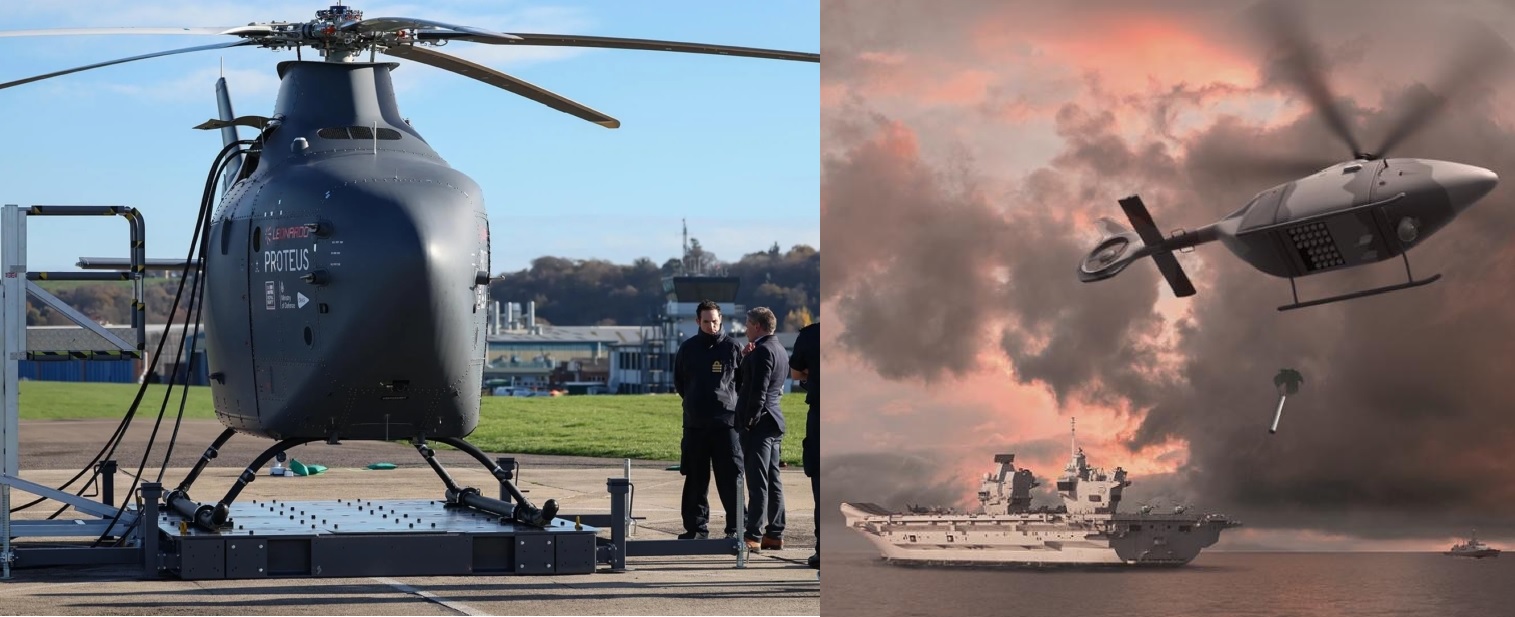
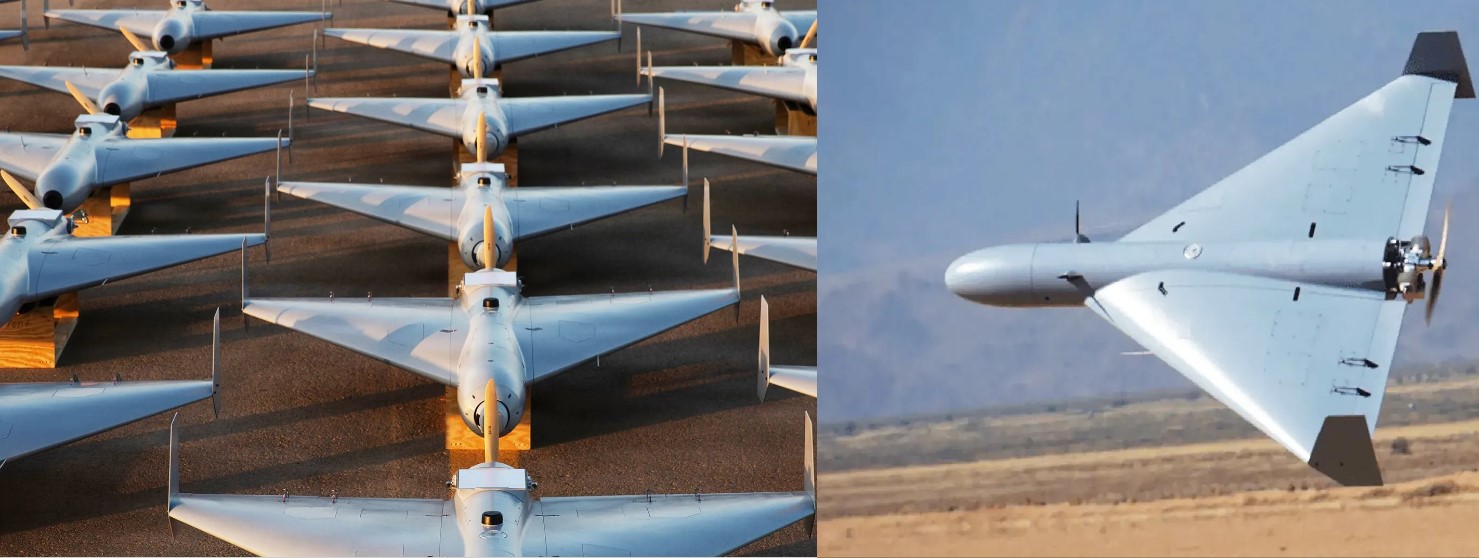
The Ministry of Defense did not name the new drone, but it confirmed that various unmanned systems were tested during "July Storm," including FPV drones, aerial drones, helicopters, and underwater vehicles. This suggests Russia is attempting to develop integrated unmanned warfare capabilities, although the actual effectiveness of these systems remains unclear.
President Vladimir Putin commented on the exercises, saying they aim to improve the Russian Navy's ability to respond to modern maritime threats and conduct complex naval missions, drawing on lessons from the ongoing war in Ukraine.
Some observers initially linked the drone test to the conflict with Ukraine, but analysts point out that Ukraine’s navy was largely destroyed early in the war. Instead, Kyiv has turned to asymmetric tactics, such as homemade sea drones and missile strikes against Russian naval assets—strategies that have caused serious damage to Russia’s Black Sea Fleet.
In contrast, Russia’s “July Storm” drills appear to be focused more on future confrontations with NATO, rather than Ukraine. NATO forces are also adapting to the threat of unmanned maritime systems. The U.S. Navy, for example, is introducing new training programs to prepare sailors for encounters with autonomous sea drones in high-risk regions.
The global rise of these systems is reshaping naval warfare. In places like the Red Sea, Iran-backed Houthi rebels have used armed sea drones to attack commercial ships, disrupting vital trade routes and drawing international concern.
Ultimately, Russia’s Baltic Sea exercise shows a shift toward autonomous naval systems in modern warfare. While these developments borrow from Ukraine’s tactics, they reflect a broader Russian ambition to strengthen its maritime position against both regional and global adversaries, including NATO.
As tensions in the Baltic grow, the appearance of explosive unmanned drones marks another step in the evolving arms race on the world’s seas.
✍️ This article is written by the team of The Defense News.