Russia Simulates Full-Scale Nuclear War in Siberia, Deploys Yars ICBMs on Combat Patrols
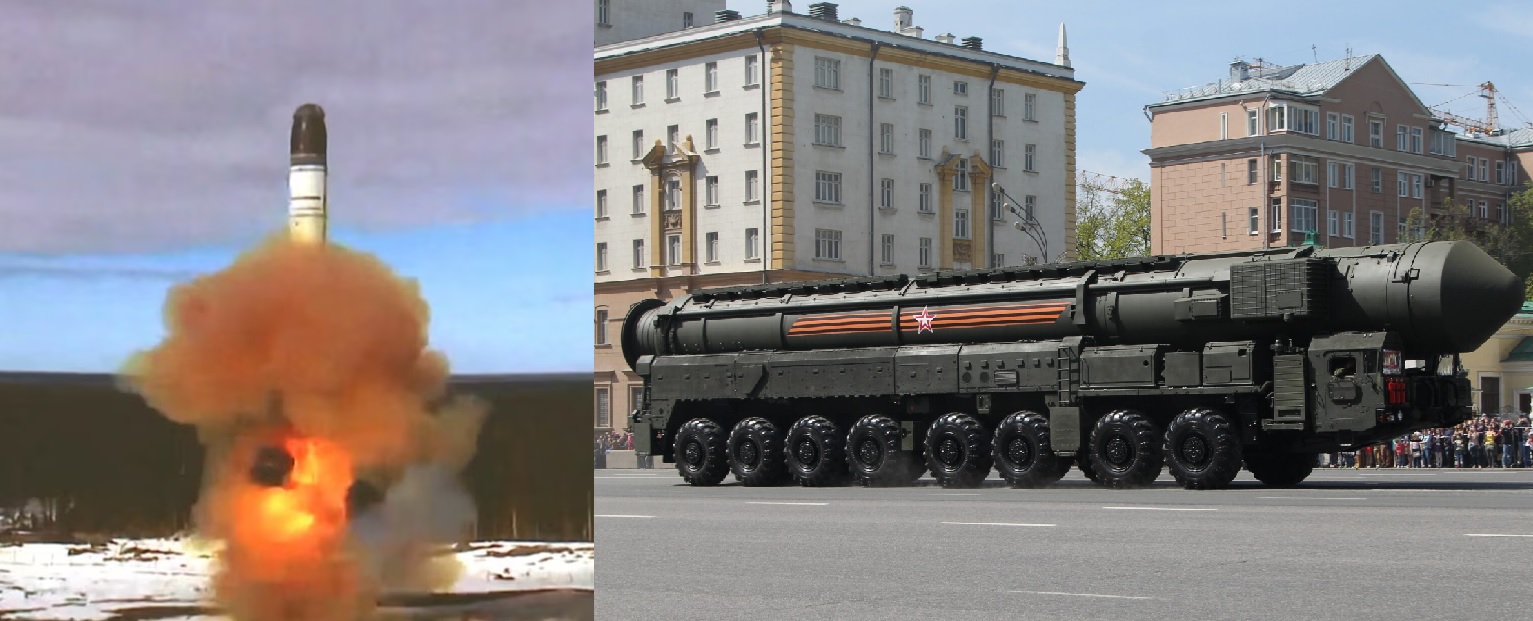
Russia has conducted a high-profile strategic exercise involving its road-mobile intercontinental ballistic missiles (ICBMs) in Siberia, deploying RS-24 Yars launchers on extended combat patrols in what analysts describe as a simulation of conditions associated with a full-scale nuclear conflict.
The drills, carried out on December 17–18 by units of Russia’s Strategic Rocket Forces, involved Yars missile systems leaving permanent bases and dispersing across vast patrol routes in remote Siberian regions. According to Russia’s Defence Ministry, the exercise focused on intensive field training, including maneuvering under simulated enemy pressure, maintaining operational readiness, and ensuring the survivability of nuclear forces.
Simulating war-time conditions
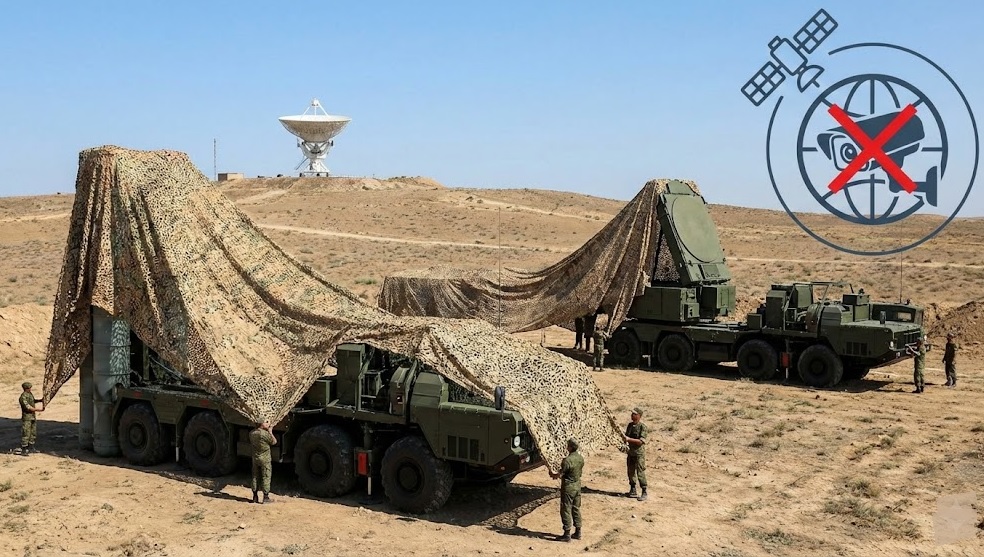
During the exercise, missile crews practiced relocating launchers, camouflaging equipment, and operating in dispersed formations designed to evade detection and attack. Troops also rehearsed engineering support at temporary field positions, security of patrol routes, and command-and-control coordination under complex combat scenarios. Unmanned aerial vehicles (UAVs) were reportedly used to monitor surrounding areas and protect deployed units.
While Russian officials described the activity as routine and defensive, military observers noted that the scenarios closely resembled those associated with large-scale nuclear war planning, particularly the requirement to preserve retaliatory strike capability after a hypothetical first strike by an adversary.
The Yars system and Russia’s nuclear posture
The RS-24 Yars missile is the backbone of Russia’s land-based nuclear deterrent. Deployed in both silo-based and road-mobile configurations, the system has an estimated range of up to 11,000–12,000 kilometers and is capable of carrying Multiple Independently Targetable Re-entry Vehicles (MIRVs), allowing a single missile to strike several targets simultaneously.
Its mobility is central to its strategic value. By constantly moving and concealing launchers across vast territories, Russia aims to make its nuclear forces difficult to locate and neutralize, reinforcing the credibility of a second-strike capability — a core principle of nuclear deterrence doctrine.
Interpreted as a strategic warning
The timing and visibility of the Siberian drills have drawn international attention as the Ukraine war continues and Western nations debate deeper forms of military and security support for Kyiv. In several Western capitals, the exercise has been widely interpreted as a strategic warning aimed at discouraging further involvement in the conflict.
Moscow has repeatedly cautioned that expanded Western engagement could lead to serious escalation, and prominent displays of nuclear readiness have become a recurring element of Russian messaging since the conflict began in 2022.
Western reaction and expert analysis
Officials from NATO responded cautiously, stating that alliance members are closely monitoring Russian activities while avoiding overreaction. Western military leaders emphasized that nuclear exercises, though politically provocative, do not automatically signal imminent intent to use nuclear weapons.
Security experts noted that mobile missile patrol drills are periodically conducted by all major nuclear-armed states to test readiness, discipline, and command systems. However, analysts warned that rising geopolitical tensions and the erosion of arms control frameworks mean such drills now carry greater symbolic and psychological weight.
The approaching expiration of the New START treaty — the last remaining agreement limiting U.S. and Russian strategic nuclear arsenals — has further heightened concern. With transparency mechanisms weakening, even routine military exercises risk being viewed through a more alarmist lens.
A broader nuclear backdrop
The Siberian missile exercise forms part of a broader pattern in which Russia has highlighted its strategic nuclear capabilities alongside ongoing conventional military operations in Ukraine. President Vladimir Putin has repeatedly emphasized the modernization of Russia’s nuclear forces, presenting them as a safeguard against what the Kremlin describes as Western pressure and encirclement.
There is no indication that the December drills involved live missile launches or an immediate change in Russia’s nuclear posture. Nonetheless, as the Ukraine conflict continues and diplomatic efforts remain fragile, such demonstrations are expected to play an increasingly important role in shaping the global security environment, underscoring that the stakes of the war extend far beyond the conventional battlefield.
✍️ This article is written by the team of The Defense News.