Russia Shifts Infantry Doctrine: Drones and Robotics Replace Manpower in New Offensive Strategy
Russia is overhauling its battlefield tactics in Ukraine, moving away from massed infantry assaults and relying increasingly on drones, robotic platforms, and small assault units. The change comes amid continued manpower shortages and heavy losses suffered in previous offensives.
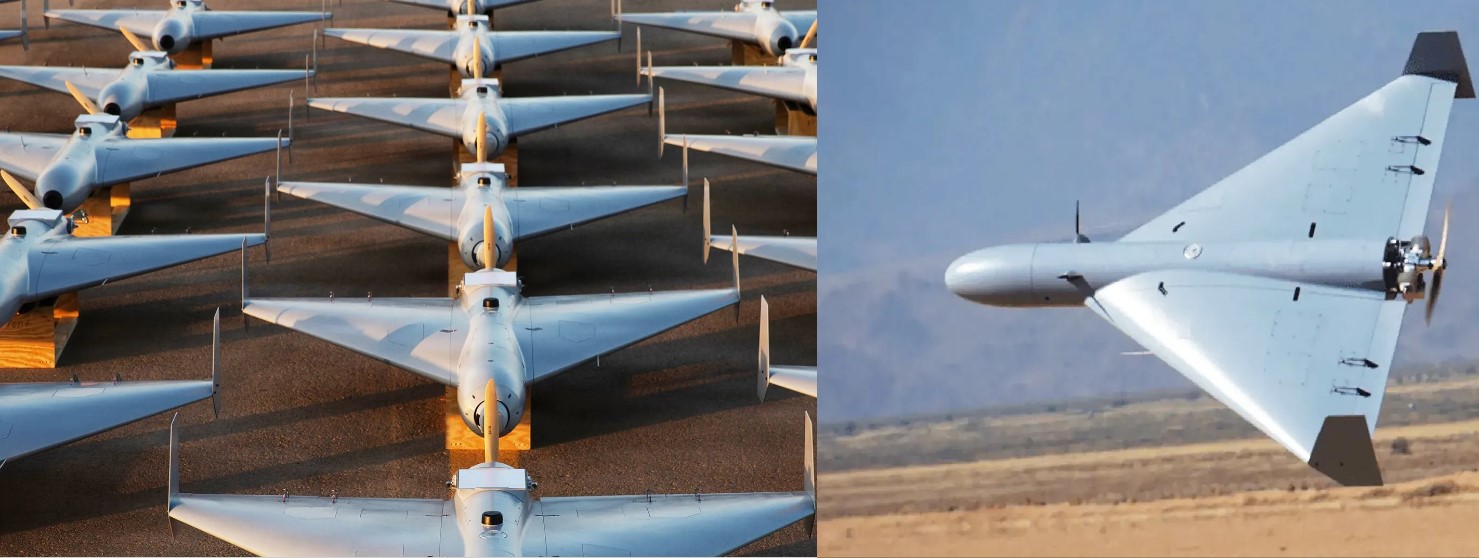
A new analysis highlights that the Russian military is integrating unmanned ground vehicles (UGVs), loitering munitions, and heavy FPV drones into frontline operations. This doctrinal shift reflects Moscow’s effort to preserve manpower while maintaining offensive momentum.
Key Features of the New Doctrine
Robots and drones in frontline roles
Unmanned platforms are being deployed to take over dangerous assault tasks. In earlier phases of the war, Russian troops often attacked with improvised weapons and minimal cover. Today, strike drones and ground robots are increasingly used to reduce exposure and casualties.
Small, dispersed assault groups
The large columns of 30–60 soldiers once common on the frontlines have largely disappeared. Instead, Russian attacks are carried out by tiny squads of two to four troops, supported by swarms of drones. These groups operate independently, making them harder to detect and neutralize.
Drones as fire support
Traditional small arms battles are being reduced. FPV drones now provide suppressive fire, reconnaissance, and strike capability, allowing Russian infantry to avoid direct firefights against entrenched Ukrainian defenders.
Flanking and infiltration tactics
Rather than frontal assaults, Russian forces attempt to bypass strong defensive lines, infiltrating rear areas to strike command posts, artillery, and supply nodes. Such tactics were recently observed near Zolotyi Kolodyaz, where Russian units advanced step by step into Ukrainian depth positions.
Expanding Use of Robotics
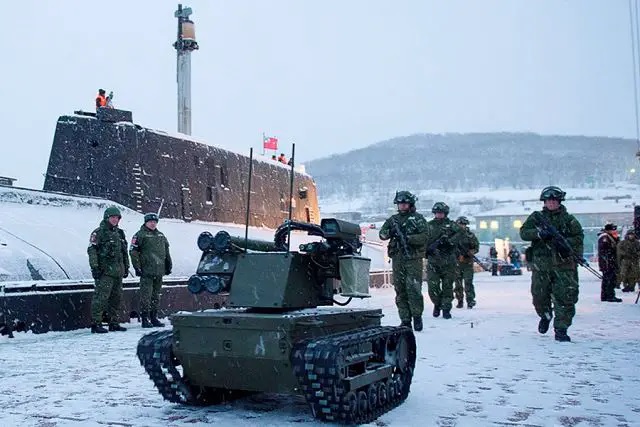
Russia is rapidly testing and deploying new robotic systems. The Courier UGV, equipped with machine guns or grenade launchers, has been used to escort infantry and provide cover fire. Other platforms can transport supplies, evacuate wounded, or even launch drones directly into combat. Some new “drone buses” are being designed to carry and release FPV drones in swarms.
Moscow has also invested in specialized training and organization for unmanned warfare. A dedicated center for drone development and pilot training was created in 2024, and by late 2025, Russia plans to establish a separate branch of its armed forces focused entirely on unmanned systems.
Strategic Adaptation
Military analysts note that this evolution stems from both necessity and innovation. Russia faces continuing shortages of trained infantry, forcing greater reliance on technology. At the same time, its industrial-scale production of drones has turned unmanned warfare into the centerpiece of its strategy.
Some Russian strategists argue that FPV drones supported by reconnaissance UAVs and jamming systems may soon replace traditional weapons such as mortars, heavy machine guns, and even tanks in certain roles. This vision favors highly dispersed infantry supported by overwhelming drone presence.
Ukrainian Countermeasures
Ukraine, meanwhile, continues to adapt with layered defenses, advanced electronic warfare, and its own growing drone arsenal. While Russian tactics reduce manpower exposure, they also create vulnerabilities—particularly to jamming and drone interception systems.
Outlook
Russia’s reliance on drones and robotics marks a significant shift from earlier phases of the war, when large-scale infantry assaults resulted in catastrophic losses. The current doctrine emphasizes automation, decentralization, and small-unit maneuver, signaling how modern warfare is being reshaped by unmanned systems.
The months ahead are likely to see intensified battles dominated less by massed troops and more by swarms of drones, robotic platforms, and small dispersed assault groups—a transformation that could redefine the nature of combat on the eastern front.
✍️ This article is written by the team of The Defense News.