Russia Offers India Full Su-57 Fighter Jet Production With 100% TOT Ahead of Putin’s Visit, Why India Need
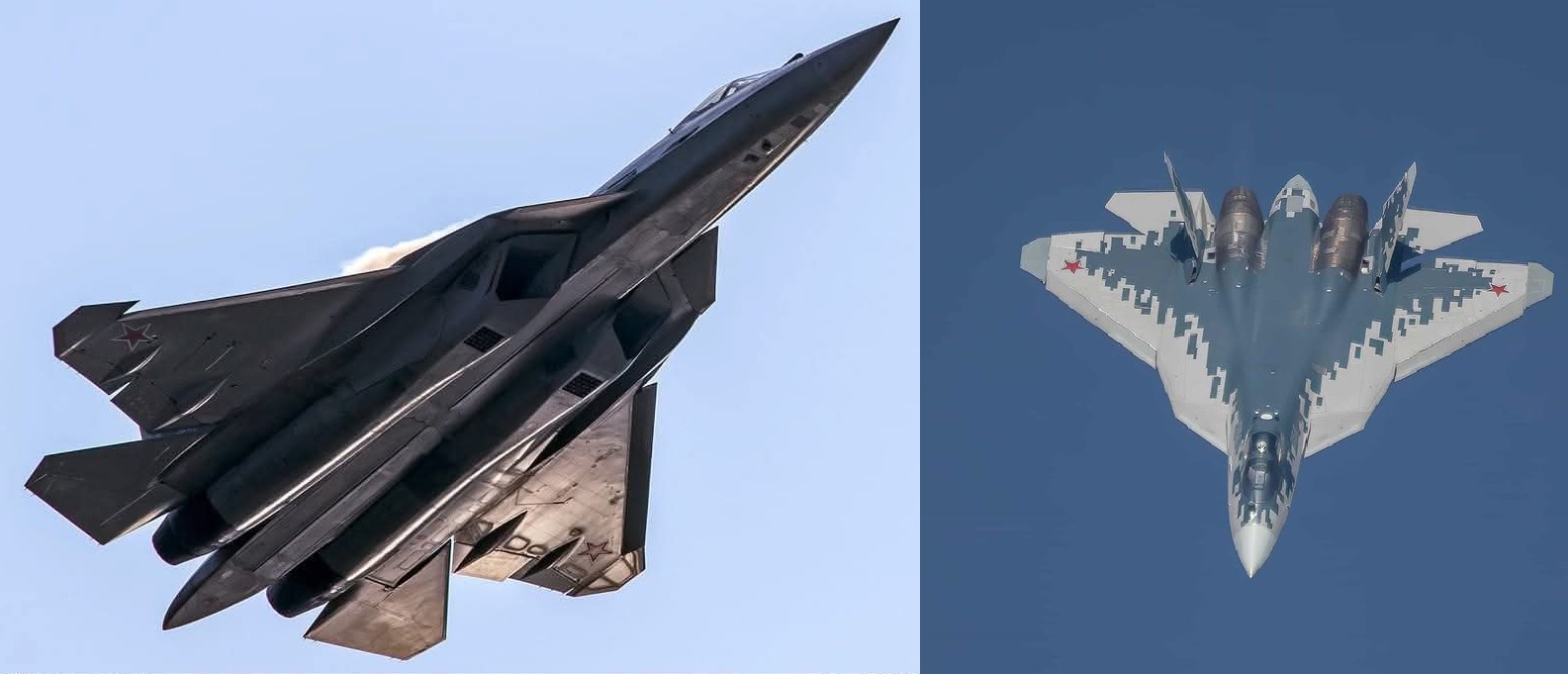
In a major proposal that could reshape India’s future combat aviation roadmap, Russia has offered full-scale production of the Su-57 stealth fighter jet in India, including complete technology transfer of the airframe and engine, senior Russian defence officials confirmed ahead of President Vladimir Putin’s upcoming visit to New Delhi.
The unprecedented offer — described by Moscow as “without restrictions, without sanctions, and with full sovereignty for India” — signals Russia’s strongest push yet to revive deep defence-industrial partnership with India at a time when New Delhi is diversifying its military imports and accelerating indigenous programs.
Rostec Chief: “Russia Is Ready to Supply ANY Weapon India Needs”
Rostec CEO Sergei Chemezov stated that Moscow is fully prepared to provide New Delhi with any weapons or platforms necessary for India’s national security, adding that Russia remains committed to long-term defence cooperation.
“Including the Su-57E, we are ready for joint work. We can supply India with any systems it requires for security,” Chemezov said, reaffirming that technology transfer for the Su-57 program will be comprehensive, covering airframe, avionics, sensors, and the fighter’s next-generation engine.
Russia Pitches Local Production of Su-57 in India
Senior representatives of Rosoboronexport, Russia’s state arms exporter, revealed that the formal proposal for Su-57 production has been delivered to Indian authorities.
The offer includes:
-
Full technology transfer, including engine technologies
-
Local manufacturing of critical subsystems in India
-
Joint development of a two-seat Su-57 variant, similar to the shelved FGFA concept
-
Long-term upgrade program involving software, weapons, and avionics
-
Complete immunity from Western sanctions, as all technologies originate from Russia
“Our technology transfer comes without restrictions and without fear of sanctions,” the Russian official said, in a clear reference to U.S. CAATSA penalties and supply-chain uncertainties that shadow Western defence purchases.
He further emphasised that the proposal allows India to manufacture key components domestically, ensuring uninterrupted operational capability even during geopolitical crises.
A Revival of the FGFA Vision — With More Control for India
After the collapse of the earlier Fifth Generation Fighter Aircraft (FGFA) project, Russia says it is ready to revisit the idea with greater flexibility and much deeper participation for India.
This includes:
-
Co-design rights over the two-seat Su-57E variant
-
Greater access to mission systems
-
Collaboration on radar, electronic-warfare suites, and weapons integration
-
India-specific modifications for sensors, cockpit layout, voice/AI assistance, and networking systems
Russian representatives stressed that India would retain “full freedom” to integrate its own weapons, including Astra, Rudram, and future long-range air-to-air missiles.
Why the Su-57 Offer Matters for India’s Airpower Plans
India’s combat aircraft roadmap includes the Tejas Mk1A, Tejas Mk2, the AMCA stealth fighter, and the MRFA tender. However, the AMCA is not expected to enter squadron service before early-to-mid 2030s, creating a potential capability gap.
Russian officials argue the Su-57 fills this gap immediately with:
1. High Weapons-Carrying Capacity
One area where Russia claims the Su-57 outperforms future AMCA is sheer payload — both internal and external.
-
Internal bays can house heavy air-to-air and strike weapons
-
External hardpoints allow additional missiles when stealth is not required
-
Capacity for hypersonic weapons, long-range AAMs, and large-diameter glide bombs
The IAF has long emphasized the need for a high-payload stealth fighter for deep-strike and air-dominance missions — a requirement the Su-57 is uniquely suited to meet.
2. Immediate Availability Compared to AMCA
While India’s AMCA program is advancing, it remains several years away from prototype rollout. Russia argues that:
-
Su-57 production in India could start much earlier
-
Joint development of a two-seat version would strengthen India’s design ecosystem
-
Indian industry would gain generational experience in advanced stealth manufacturing
3. Freedom from Sanctions and Supply Chain Disruptions
With Western systems often vulnerable to export controls, Moscow highlights that Russian-origin technology ensures uninterrupted access, aligning with India's strategic push for autonomy.
The Su-57: Russia’s Most Advanced Stealth Fighter
Often compared to the F-22 and F-35, the Su-57 is Russia’s first operational stealth multirole fighter.
Key features include:
-
Stealth shaping and radar-absorbent materials
-
360° sensor fusion with AESA radar systems
-
Supercruise capability (with future Izdeliye 30 engines)
-
High manoeuvrability with thrust-vectoring
-
Internal bays for air-to-air and precision-strike weapons
-
AI-assisted pilot support and target prioritisation
Russia has operationally deployed the Su-57 in Syria and Ukraine in standoff and air-defence suppression roles — experience Moscow says it is ready to share with India.
Geopolitical Context: Putin’s Visit and India’s Balancing Act
The timing of Russia’s offer feels anything but accidental. With President Vladimir Putin preparing to meet Prime Minister Narendra Modi, Moscow clearly wants to put defence cooperation at the forefront. In many ways, this proposal reflects Russia’s attempt to reinforce its position in India’s shifting defence landscape, especially at a moment when New Delhi is exploring diverse partnerships.
India has been increasingly purchasing Western equipment, and the Ukraine war has strained Russia’s defence production timelines. At the same time, New Delhi has become far more assertive about demanding full and unrestricted technology transfer for any future high-end system. Against this backdrop, the Su-57 production offer feels like Moscow’s way of signalling that it still sees itself as India’s most reliable long-term defence partner — and is willing to offer technologies others are reluctant to share.
In essence, Russia is sending a geopolitical message: regardless of global tensions or shifting alliances, it remains ready to provide India with deep access, strategic autonomy, and sovereign control over advanced fighter technologies.
What Happens Next?
India’s response will likely be deliberate. The Indian Air Force’s earlier reservations about the FGFA program — particularly concerns about transparency and technology access — still loom large. But this new proposal is different. It promises greater openness, significant Indian control, complete engine technology transfer, and locally established production lines, all of which directly address India’s long-standing requirements.
If New Delhi finds this offer credible, it could transform India’s aerospace trajectory. A domestic Su-57 line would not only give India a fifth-generation fighter years before AMCA becomes operational, but it would also build the industrial base and technical expertise needed for India’s own stealth programs.
In that sense, accepting the offer would go far beyond buying aircraft. It would mark India’s largest-ever aerospace partnership with Russia and could dramatically accelerate India’s stealth fighter ecosystem, giving the country a major strategic leap in air combat capability.
Russia’s offer of complete Su-57 production in India, with unrestricted technology transfer and a co-developed two-seat model, is one of the most ambitious defence proposals New Delhi has received in years. As President Putin prepares for his visit, the pitch signals Moscow’s intent to remain a central pillar of India’s defence modernization.
For India, the decision will weigh immediate capability gains, industrial benefits, and strategic autonomy against long-term commitments to its indigenous AMCA program.
About the Author
Aditya Kumar:
Defense & Geopolitics Analyst
Aditya Kumar tracks military developments in South Asia, specializing in Indian missile technology and naval strategy.