Russia Offers Full Tech Transfer for Combat-Proven Lancet-3 Loitering Munition to India
Russia has proposed full-cycle technology transfer and licensed production of its Lancet-3 loitering munition, signalling a major push to turn one of its most effective battlefield systems into a global export product. The offer, shared through Russian and Indian defence channels, would allow a partner nation to manufacture the Lancet-3 entirely domestically, including its airframe, electronics, launcher and mission-control software.
The proposal comes as the Lancet-3 continues to demonstrate high lethality in Ukraine and Syria, where it has been used to destroy tanks, artillery, radar systems, armoured vehicles, and even HIMARS units. Russian sources claim the munition has maintained over 80% strike accuracy despite strong electronic-warfare interference, making it one of Russia’s most feared precision drones in current conflicts.
At the core of the offer is “full-cycle localisation”, which typically includes transfer of design blueprints, production documentation, guidance software architecture, and ground-control systems. Indian reporting suggests the proposal is being studied alongside Russia’s wider offers under Make in India, including potential cooperation on the Su-57 and other UAV technologies. For Moscow, exporting the Lancet-3 through licensed production strengthens sanction-resistant defence ties and expands its global arms footprint.
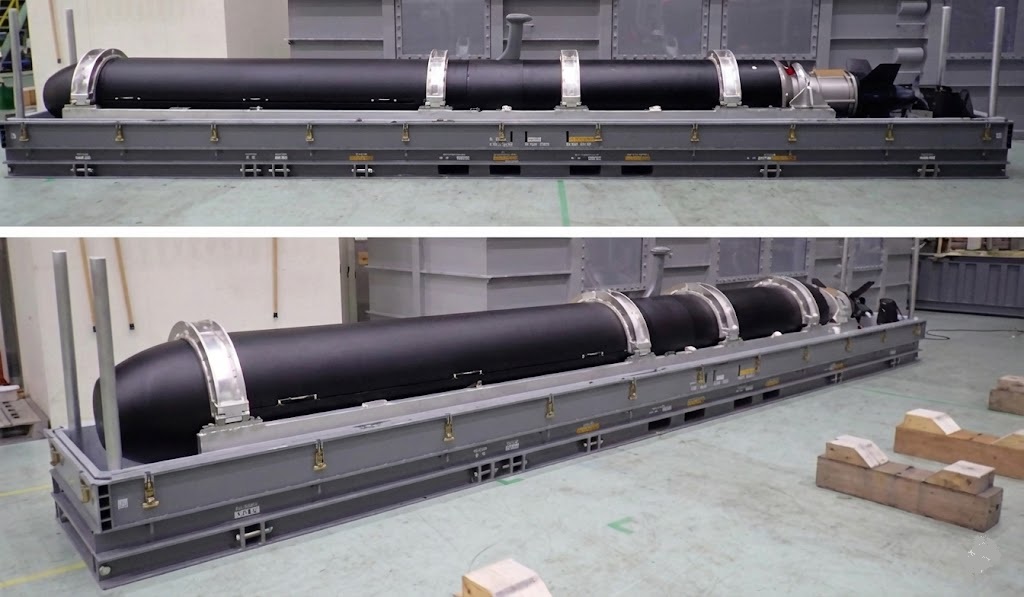
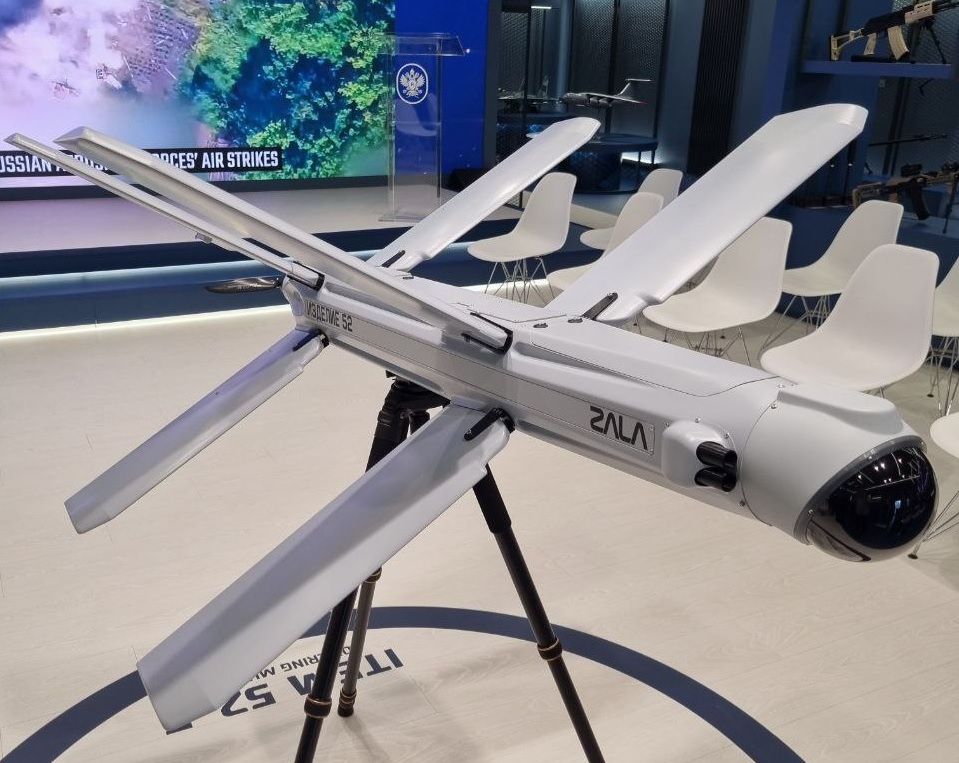
The Lancet-3, produced by ZALA Aero, is a compact but powerful loitering munition. It weighs around 12 kg, carries a 3 kg warhead, and roughly 40 minutes of endurance. Its design features an electric pusher-propeller system and two sets of X-shaped wings, enabling stable manoeuvring during loiter and terminal attack. The drone cruises at 80–110 km/h and can reach nearly 300 km/h in its final dive toward a target. It uses electro-optical guidance and real-time video transmission, allowing operators to precisely steer the munition in the last seconds before impact.
On the battlefield, the Lancet-3 has achieved a high volume of verified combat use. More than 1,000 documented strikes have been recorded in Ukraine, with many videos showing successful hits on M777 howitzers, self-propelled guns, radars, and short-range air-defense systems. Its repeated success against Western equipment has forced Ukraine to adopt countermeasures such as decoy howitzers, cope cages, and FPV interceptors, although these have not fully neutralised the threat. Russia has since revealed upgraded versions featuring enhanced EW resistance and extended range, improvements likely to be included in any export variant.
A full technology-transfer deal would allow a partner country to customize warheads, integrate national communication systems, develop its own launcher configurations, and even evolve new variants based on the Lancet platform. For potential customers such as India, the offer brings strategic benefits but also introduces challenges, especially the reliance on components that, according to teardown reports, may include Western-origin microelectronics affected by global sanctions regimes.
The Lancet-3 has become a hallmark of modern warfare — low-cost, precise, mobile, and disruptive. If Russia succeeds in finalising full-cycle production agreements abroad, the drone that reshaped frontline combat in Ukraine could soon be rolling off assembly lines in partner nations, expanding its role from a Russian battlefield asset to a globally manufactured loitering-attack system.
About the Author
Aditya Kumar:
Defense & Geopolitics Analyst
Aditya Kumar tracks military developments in South Asia, specializing in Indian missile technology and naval strategy.