Russia MS001 Drone Use Nvidia Mini Supercomputer to Picks Its Own Targets

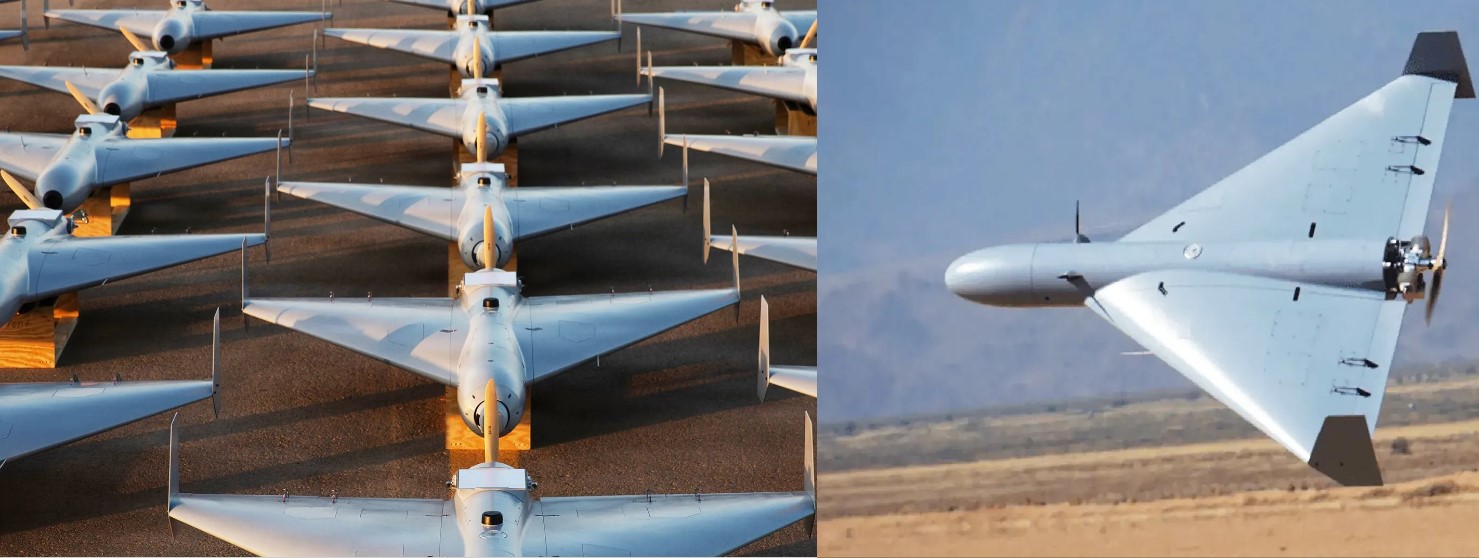
A new kind of Russian drone, called the MS001, has been recovered in Ukraine—and it’s unlike anything seen before on the battlefield. What first looked like a standard Iranian-style Shahed drone was, in fact, a highly advanced autonomous UAV equipped with artificial intelligence. Ukrainian forces shot it down over the Sumy region, only to find a system that thinks and acts independently—a flying machine that chooses who to attack without human input.
This new drone is powered by Nvidia’s Jetson Orin, a powerful, credit-card-sized computing module capable of performing 67 trillion operations per second. With this onboard "mini supercomputer," the MS001 can identify and prioritize targets in real-time using thermal cameras, object recognition, and telemetry analysis. The drone doesn’t just follow coordinates—it analyzes the battlefield and makes decisions during the mission.
According to Ukrainian Major General Vladyslav Klochkov, who publicly shared his analysis of the system, the MS001 marks a major shift in warfare. Unlike traditional drones that are remotely operated or follow pre-programmed paths, this one behaves more like a hunter. It can navigate through jamming, fly at night, and adjust its behavior mid-flight. “This is a digital predator,” said Klochkov. “It doesn’t carry coordinates, it thinks.”
What makes it even more concerning is that it operates as part of a drone swarm. These drones share data, change their flight patterns together, and support each other during the mission. If one drone is lost, the rest adjust automatically. This swarm logic allows them to behave in a decentralized way—more like a pack of wolves than traditional military hardware.
Despite the heavy sanctions imposed on Russia since 2022, the presence of advanced Nvidia chips raises serious questions. While Nvidia has stated that its Jetson modules are meant for educational and civilian use—and are not sold to Russia—millions of dollars' worth of these chips have reportedly entered Russia through gray-market channels. These components are disguised as electronics for everyday use and shipped in small batches through countries like Hong Kong, Turkey, and Singapore, bypassing official controls.
A second Russian drone, known as the V2U, has also been found using the same Nvidia chip, mounted on a Chinese-made carrier board. Like the MS001, this drone is believed to make independent targeting decisions and shows high resistance to electronic warfare. Together, these drones represent a new level of combat automation already being used in live operations.
While Western countries, including the United States, are developing similar AI systems—like autonomous fighter jets or smart suicide drones—many are still in prototype or testing stages. Russia, by contrast, appears to have jumped straight to deployment. As Klochkov warned, "They’re not waiting for the future—they’re flying it today."
The rise of drones like the MS001 shows that warfare is moving into a new phase, where machines no longer rely on humans to pull the trigger. These systems challenge old defense doctrines, which assume every drone is either remote-controlled or pre-programmed. The MS001 doesn't wait for instructions—it finds and strikes targets on its own.
More than just a drone, the MS001 represents a change in how wars may be fought going forward—with autonomous systems doing the thinking, targeting, and killing. As countries scramble to respond, the real question may not be who has the most drones, but who has the smartest ones—and how soon they’re put to use.
✍️ This article is written by the team of The Defense News.