Russia Increase Geran-2 Kamikaze Drone Production with New Mobile Launchers on Civilian Vehicles
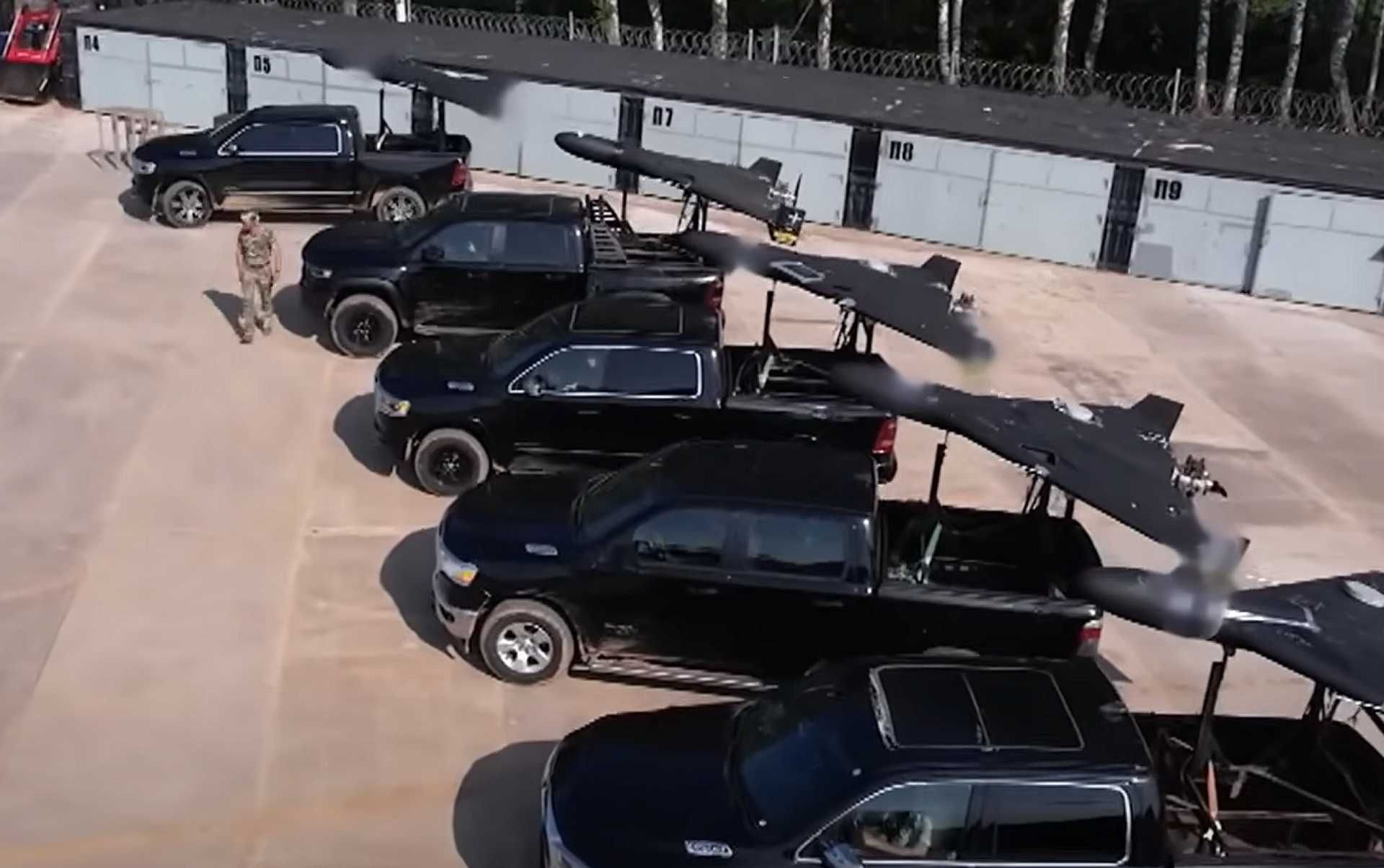
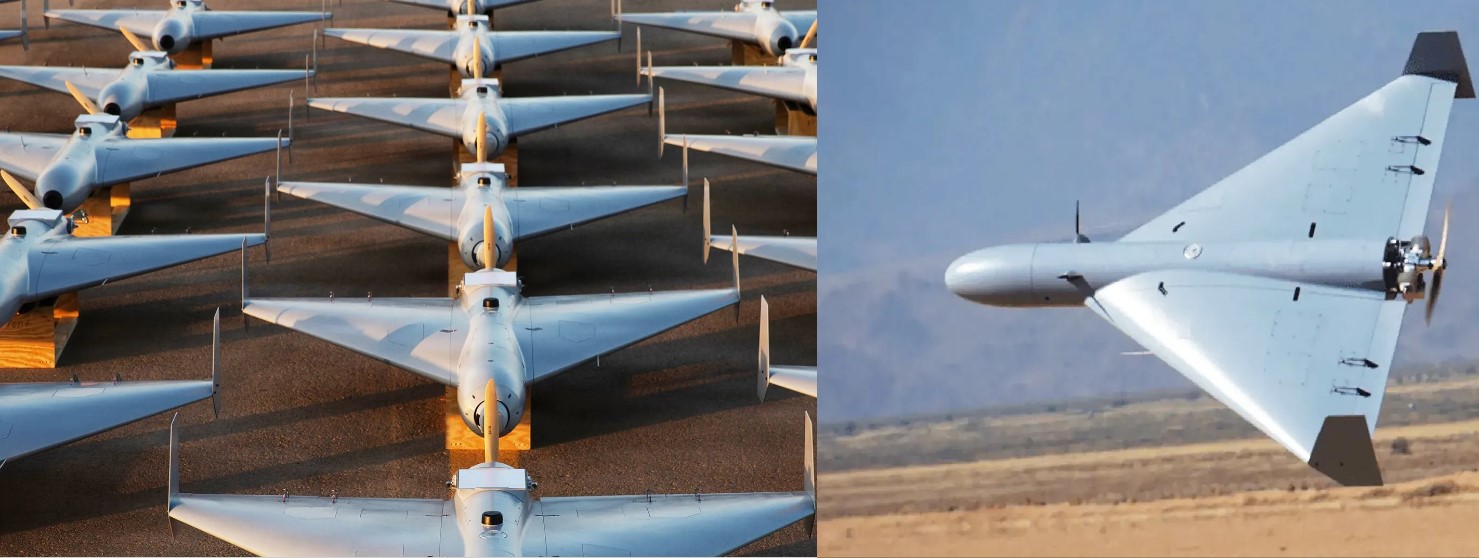
Russia has introduced a mobile launch version of its Geran-2 kamikaze drones, mounting them on civilian-style all-terrain vehicles. This innovative adaptation allows Russian forces to deploy the drones from remote or rugged terrain without needing fixed infrastructure, increasing both their speed of deployment and survivability against enemy strikes.
The Geran-2 loitering munition, widely used in the ongoing war in Ukraine, now benefits from greater tactical flexibility thanks to this mobile system. Crews can now launch drones from the flatbeds of modified civilian vehicles, enabling rapid repositioning and decentralized attacks — a major shift in Russian military doctrine.
Advanced Features and Capabilities
The latest version of the Geran-2 comes equipped with a new optical guidance system that allows remote control through mobile SIM cards. Russia is also preparing to switch to its own satellite-based internet, which would make the drones less reliant on existing communication networks and potentially more secure from jamming.
Another key development is the networked communication between the Geran-2 and other UAVs, including the larger Gerbera drone, which enables coordinated drone operations. This capability significantly enhances Russia’s ability to conduct complex, synchronized strikes on Ukrainian infrastructure.
Technically, the Geran-2:
-
Weighs about 200 kg
-
Uses a catapult-assisted launch with a solid-fuel booster
-
Carries a high-explosive fragmentation warhead of up to 90 kg
-
Has an effective range of up to 2,000 km
-
Cruises at 180 km/h, flies up to 4,000 meters, and can stay in the air for 12 hours
-
Is powered by a 50 hp piston engine
-
Has a unit cost between $20,000 to $50,000
This warhead is powerful enough to destroy command centers, fuel depots, air defense systems, bridges, and fortified field positions, making it a critical asset in long-range strike missions.
Production Surge Despite Sanctions
Russia is rapidly expanding the production of Geran-2 drones despite Western sanctions. New factories, more skilled workers, and an increase in industrial output are supporting Russia’s goal of sustained drone warfare in Ukraine. The country has also built alternative supply chains and domestic technologies to bypass sanctions on critical components.
The daily use of swarms of Geran-2 drones to strike deep into Ukrainian territory—targeting military infrastructure, energy grids, and logistics hubs—shows how central loitering munitions have become to modern warfare. These affordable and effective drones frequently overwhelm Ukrainian air defenses, keeping them under constant pressure.
Changing Nature of Warfare
The conflict in Ukraine has turned drones like the Geran-2 into frontline weapons. Both Russia and Ukraine now use loitering drones not just for attacks, but also for surveillance, target marking, and electronic warfare. These drones are starting to replace traditional artillery in certain roles, offering persistent presence and cost efficiency unmatched by legacy systems.
Strategic Implications
Russia’s ability to mass-produce and innovate under heavy sanctions is becoming a defining element of the war. The mobile Geran-2 system, along with continued mass deployment, reflects the resilience of the Russian defense industry and its ability to adapt under pressure. As Ukraine counters with its own drones and Western support, the skies above the battlefield are becoming increasingly contested, dominated by the buzzing presence of autonomous and semi-autonomous kamikaze drones.
This evolution in drone warfare is not just about technology—it signals a shift in global military strategy, where cheap, expendable UAVs are becoming the new tools of attrition and disruption in modern conflicts.
✍️ This article is written by the team of The Defense News.