Russia Establishes Kamchatka UAV Command Hub to Boost Arctic and Pacific Military Reach
Russia has opened a new Unmanned Aviation Control Center in the far eastern Kamchatka Peninsula, marking a major expansion of its Pacific Fleet’s surveillance and strike capabilities. The facility is designed to oversee the full-scale deployment of long-endurance reconnaissance and combat drones, a move aimed at tightening control over strategic Arctic and Pacific waters.
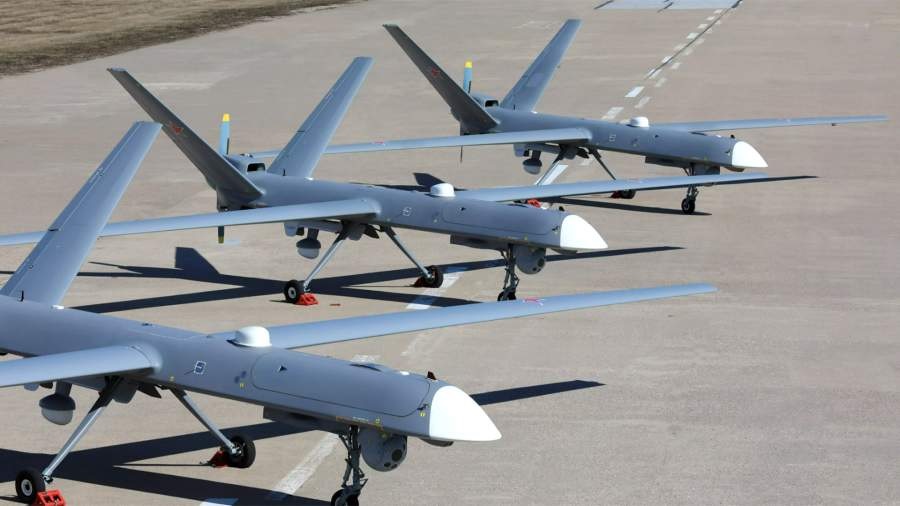
The center will initially manage operations of Forpost-RU and Inokhodets (Orion) heavy-class UAVs, with plans to integrate other drone models in the future. These aircraft will be stationed at multiple regional airfields, enabling coverage of vast maritime zones and critical Arctic shipping routes, including the Northern Sea Route and the Bering Strait.
The Forpost-RU, derived from the Israeli Searcher II but extensively redesigned in Russia, can stay airborne for over 15 hours, carry precision-guided weapons, and perform advanced reconnaissance using radar and optical-electronic sensors. The Inokhodets, with its 16-meter wingspan and 24-hour endurance, offers a heavier payload capacity, including guided missiles and light bombs. Both systems have seen combat use in Ukraine, where they were employed for precision strikes and real-time target acquisition.
Positioning the control hub in Kamchatka offers several strategic advantages. It allows Moscow to monitor U.S. and NATO naval movements in the Pacific and Arctic, safeguard the Pacific Fleet’s nuclear submarine base at Vilyuchinsk, and maintain constant surveillance over resource-rich northern waters. This comes amid intensified competition in the Arctic, where American nuclear submarines and NATO patrols have increased their presence.
Unlike lighter tactical drones, the heavy-class UAVs managed here will be part of an integrated command network, allowing Russia to combine aerial intelligence with naval and aerospace force operations. This shift toward networked unmanned warfare reduces reliance on manned patrol aircraft, which are costlier to operate and more vulnerable in contested areas.
Defense analysts see this development as part of Russia’s long-term strategy to counter Western presence near its borders. The combination of persistent drone surveillance, strike capabilities, and centralized control provides Moscow with the ability to react quickly to threats, track foreign vessels, and project power far from its shores. It also compensates for the challenges of defending the country’s massive eastern and northern coastlines, where infrastructure is sparse and logistics are difficult.
By operationalizing this UAV hub, Russia is effectively creating a permanent aerial shield over two of its most sensitive frontiers. This capability is expected to expand, with future plans likely to include advanced electronic warfare drones, Arctic-weather UAVs, and possibly unmanned naval systems linked to the same control architecture.
✍️ This article is written by the team of The Defense News.