Russia Deploys Starlink-Controlled BM-35 Drone, Ukraine Confirms After Interception
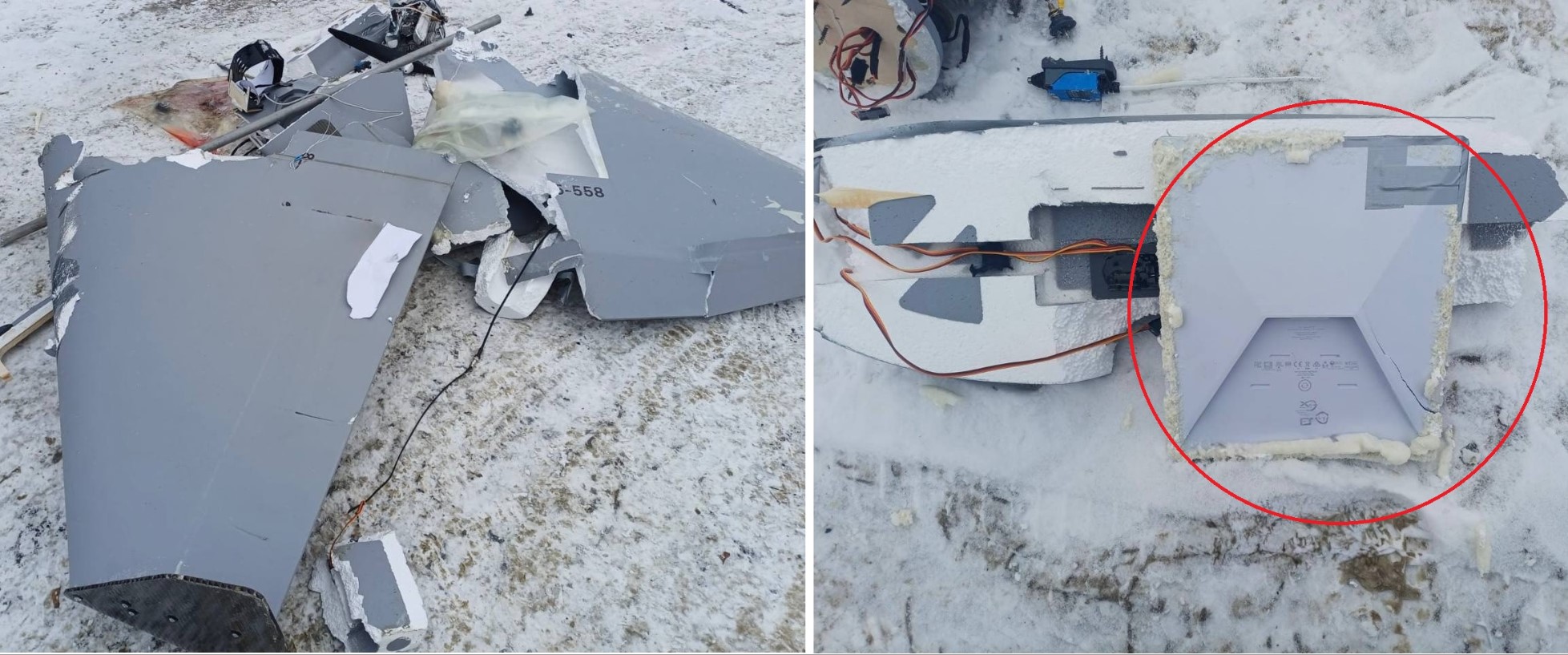
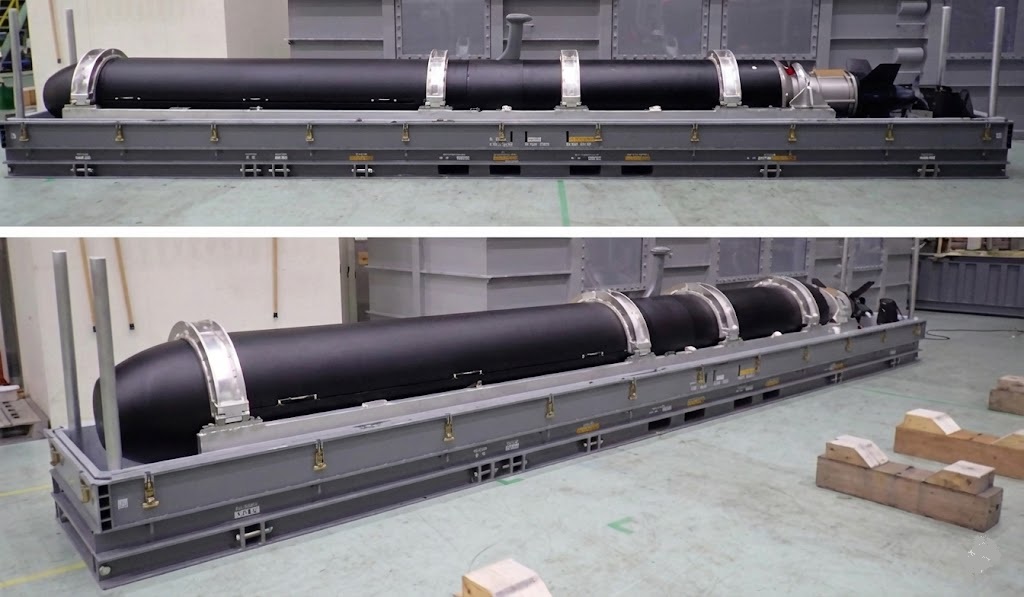
KYIV : Ukrainian air defense forces have, for the first time, intercepted a Russian BM-35 strike drone that was being controlled via a satellite communications terminal linked to Starlink, marking a significant technological escalation in Moscow’s unmanned aerial warfare campaign.
The breakthrough was disclosed by Serhii Flash, a Ukrainian serviceman and radio-engineering specialist, who said forensic analysis of the downed drone confirmed the use of satellite-based command and control. Until now, such systems had been observed only on smaller Russian kamikaze drones used primarily for tactical reconnaissance or point strikes.
According to Flash, the BM-35 represents the first confirmed case in which Russia has deployed satellite control on a drone designed to operate at the operational level, striking deeper targets beyond the immediate frontline.
Satellite Control Changes the Battlefield
The integration of a Starlink terminal provides the drone with a stable, long-range communications channel, significantly reducing latency in both command transmission and live video feeds. This allows operators to guide the drone more precisely during the terminal phase of flight and to adapt in real time to changes in the battlefield.
Equally important, Ukrainian experts say, is the drone’s increased resilience against electronic warfare. Satellite communication partially mitigates the effectiveness of traditional jamming and signal-suppression measures, enhancing survivability in contested electromagnetic environments.
Flash warned that this development could soon extend beyond the BM-35 platform. He did not rule out that similar satellite control systems may appear on Russian one-way attack drones such as Shahed-type systems, which are already used extensively against Ukrainian infrastructure.
From First Sightings to Confirmed Threat
The BM-35 first entered Ukrainian reporting in early September 2025, when air defense units intercepted a video transmission from a drone attacking targets near Sumy. Initial assessments suggested the platform might be linked to Russia’s ZALA drone family or be a modification of the Italmaz system.
Subsequent technical analysis, however, revealed that the BM-35 is a distinct design, incorporating a number of unique engineering solutions not seen on earlier Russian unmanned systems.
The drone features a delta-shaped wing configuration, optimized for range and stability, and carries a warhead of as-yet unspecified weight and type. Its propulsion system is a two-stroke DLE gasoline engine, with a propeller mounted in the nose of the fuselage—a layout that differs from many rear-propeller Russian designs.
For targeting, the BM-35 employs a forward-facing camera linked to an analog video transmission system operating in the 3.3 GHz band, enabling real-time guidance during the attack phase.
Foreign Components and Sanctions Concerns
Ukrainian investigators examining recovered wreckage report that the BM-35 contains at least 41 foreign-made components. These include parts manufactured in Switzerland, the United States, and Taiwan, with a substantial share originating in China.
The findings are likely to intensify scrutiny of sanctions enforcement and export-control regimes, as Kyiv continues to document the use of Western and Asian components in Russian weapons systems despite existing restrictions.
Strategic Implications
Military analysts say the confirmed use of satellite-controlled strike drones signals a shift in Russia’s approach to unmanned operations. By combining longer range, real-time control, and resistance to electronic warfare, systems like the BM-35 could pose a growing challenge to Ukrainian air defenses if deployed at scale.
Further technical analysis is ongoing, as Ukrainian specialists seek to identify vulnerabilities in the BM-35’s guidance and communications architecture. As Flash noted, understanding and countering satellite-linked drones will be critical to protecting Ukraine’s airspace in the next phase of the war.
For a deeper examination of the issue, Ukrainian analyst Volodymyr Stepants has explored potential countermeasures in his recent work on protecting Ukraine’s satellite communications domain amid the growing use of Starlink-enabled enemy drones.
About the Author
Aditya Kumar:
Defense & Geopolitics Analyst
Aditya Kumar tracks military developments in South Asia, specializing in Indian missile technology and naval strategy.