Russia Deploy North Korean Hwasal-1 Cruise Missiles Against Ukraine
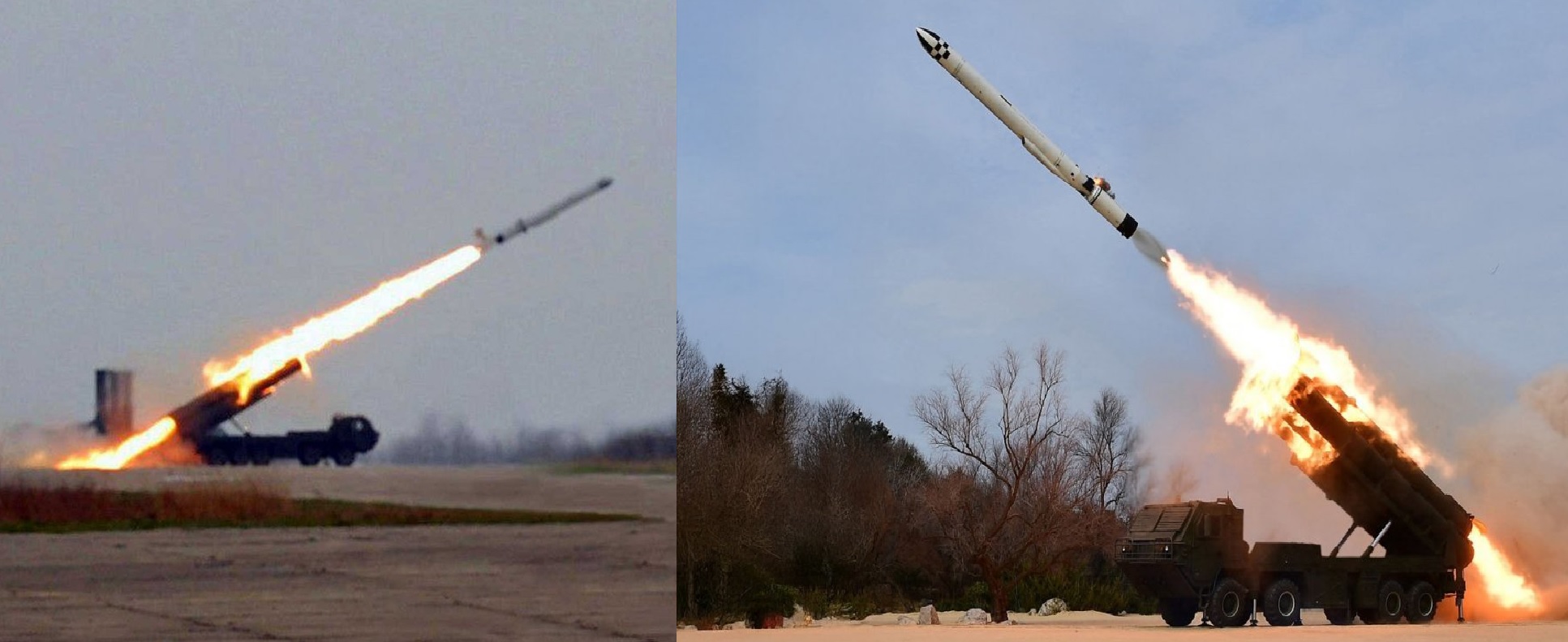
Moscow is reportedly preparing to deploy a variant of North Korea’s Hwasal-1 Ra-3 strategic cruise missile in combat operations against Ukraine, according to information shared by the OSINTWarfare open-source intelligence account on X on December 25, 2025. The claims, attributed to multiple Russian military-linked sources, indicate that the missile variant could carry a one-ton (1,000 kg) high-explosive warhead and possess an estimated operational range of 130 to 250 kilometres, a configuration that would prioritise destructive payload over long-distance reach.
If confirmed, the reported deployment would mark a significant escalation in Russia’s use of foreign-supplied precision strike weapons, and potentially the first combat employment of a North Korean cruise missile in a major conventional war.
From Test Range to Battlefield
The Hwasal-1 Ra-3, also referenced in some assessments as Hwasal-1D-3, first appeared publicly in April 2024, when North Korean state media released imagery of the missile during a strategic cruise missile test conducted by the DPRK Missile Administration. The system was shown mounted on a transporter erector launcher (TEL) and later during a launch sequence from what analysts assess to be a paved runway at Onchon Airbase on North Korea’s western coast.
The missile was officially unveiled during a strategic cruise missile test on April 20, 2024, with imagery highlighting a visibly enlarged, large-diameter warhead section. Compared to the baseline Hwasal-1, the Ra-3 variant appears structurally modified to accommodate what North Korean media described as a “super-large” warhead, signalling a doctrinal shift toward maximising blast effects against hardened or high-value targets.
Design Trade-offs and Lethality
The standard Hwasal-1 is assessed by analysts to be a subsonic, terrain-following land-attack cruise missile, broadly comparable in role to early Kalibr variants. The Ra-3 modification, however, is believed to sacrifice internal fuel volume to accommodate the heavier payload. This trade-off likely explains the reduced estimated range of 130–250 km, significantly shorter than many modern cruise missiles but still sufficient for operational-level strikes in a dense battlefield environment like eastern and southern Ukraine.
With a warhead reportedly approaching one metric ton, the missile would be optimised for area destruction, making it particularly dangerous against logistics hubs, ammunition depots, troop concentrations, fortified command posts, and critical infrastructure. Even without advanced penetration features, such a payload could overwhelm structures through sheer explosive force.
A Deepening Moscow–Pyongyang Arms Axis
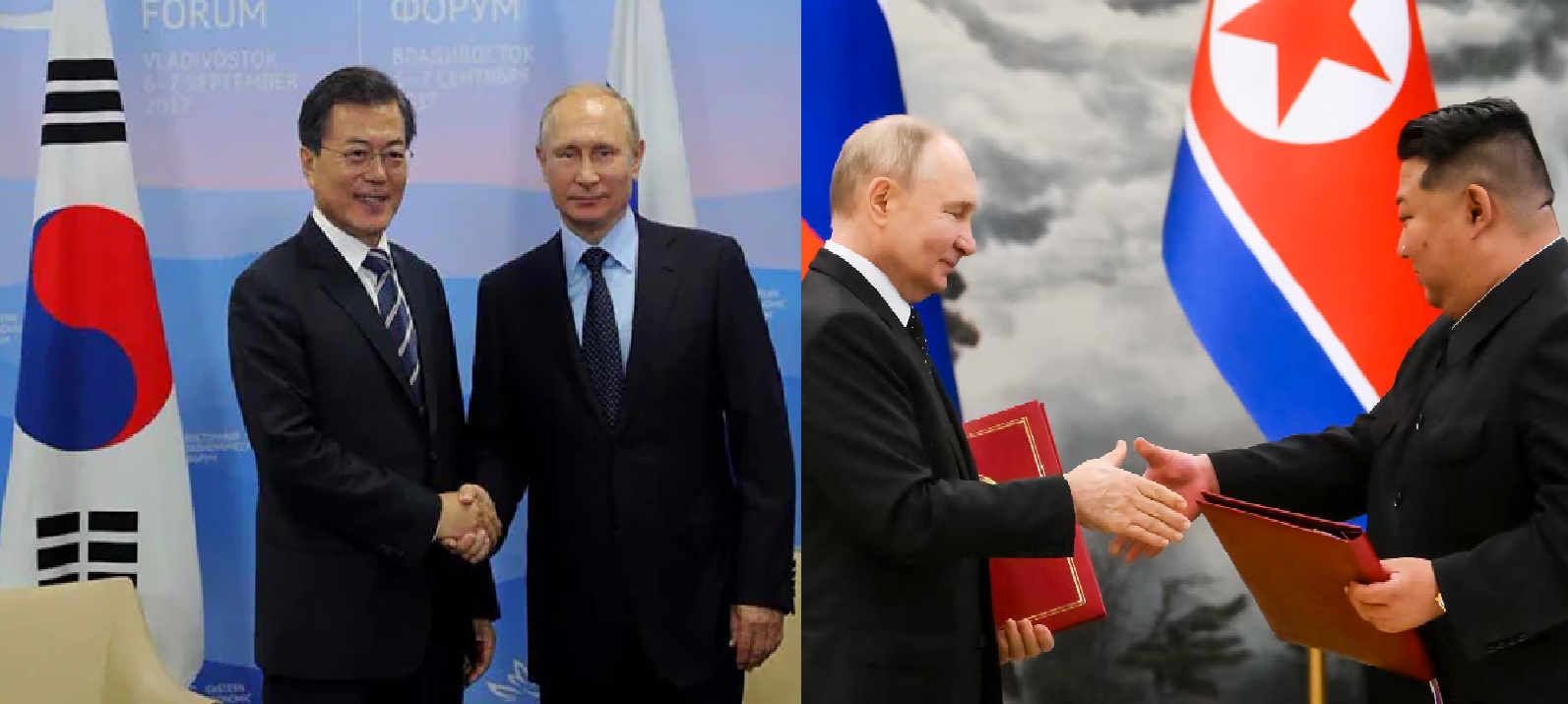
The reported appearance of the Hwasal-1 Ra-3 in Russia’s arsenal does not occur in isolation. Since the opening phase of Russia’s full-scale invasion of Ukraine in February 2022, Moscow and Pyongyang have steadily expanded military cooperation, forming what analysts increasingly describe as a new arms corridor between two heavily sanctioned states.
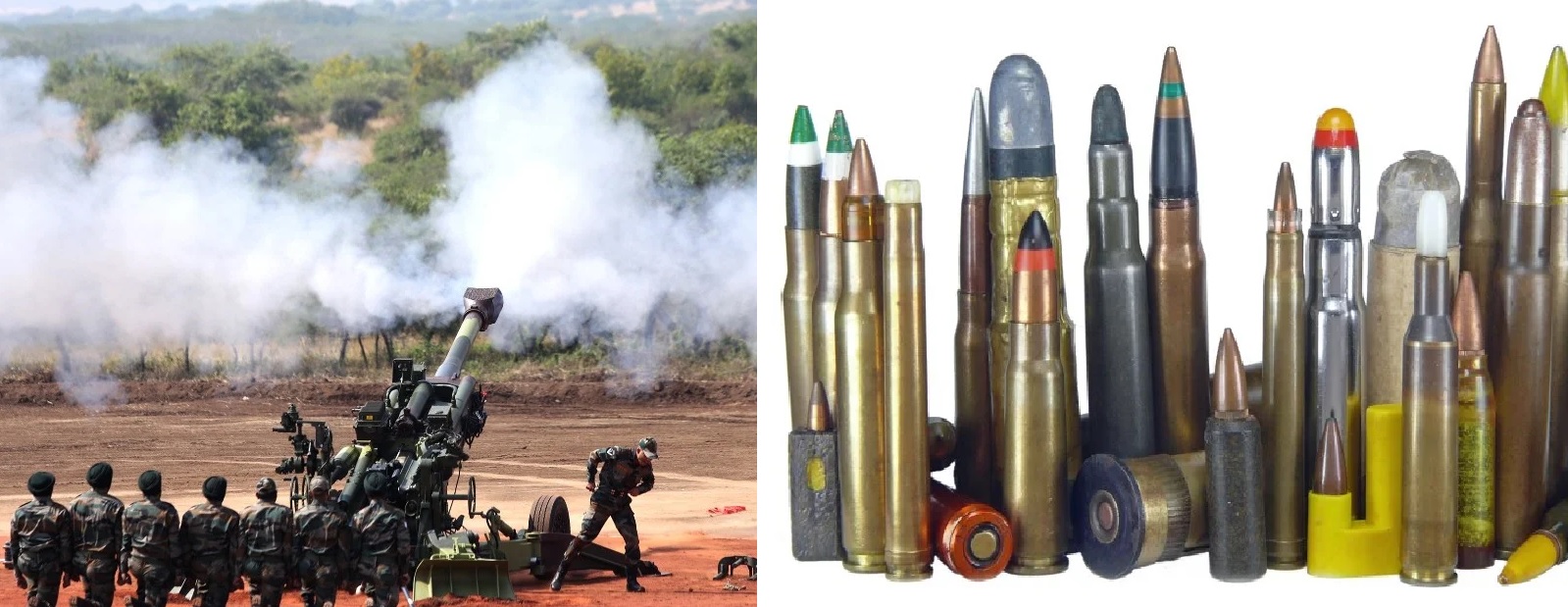
By late 2023, U.S. intelligence agencies publicly assessed that millions of North Korean artillery rounds—including 122 mm and 152 mm shells as well as 122 mm Grad rockets—had been transferred to Russia. These munitions were widely believed to have been used to offset acute ammunition shortages faced by Russian units across Donetsk, Kharkiv, and Zaporizhzhia.
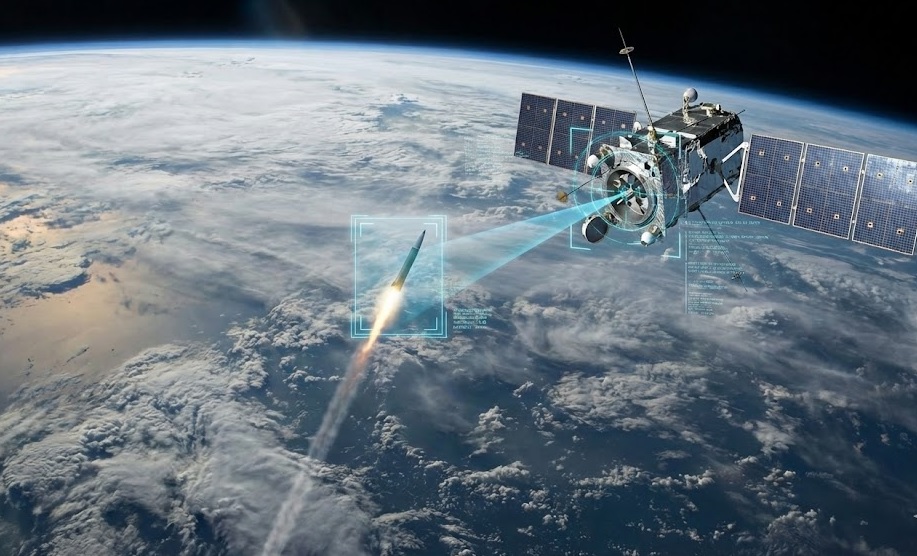
The relationship escalated further in early 2024, when U.S. and South Korean officials accused North Korea of supplying short-range ballistic missiles to Russia. Subsequent strike analysis and satellite imagery linked several attacks in eastern Ukraine to North Korean-produced KN‑23 and KN‑25 systems—platforms inspired by Russia’s Iskander-M but adapted for North Korea’s industrial base. The KN-23’s quasi-ballistic trajectory and terminal manoeuvrability have made it particularly challenging for Ukrainian air defences.
A New Threat Vector for Ukraine
The potential introduction of the Hwasal-1 Ra-3 would add a new layer of complexity to Ukraine’s air defence challenge. Unlike ballistic missiles, low-flying cruise missiles can exploit terrain, approach from unexpected azimuths, and bypass radar coverage optimised for high-altitude threats. Analysts warn that such systems could stress Ukrainian defences in areas where Western-supplied assets such as NASAMS or IRIS-T are thinly distributed.
Moreover, the reported GPS-guided navigation of the Hwasal family suggests a capability for precision strikes, even with a reduced range. Combined with a massive warhead, the missile would be well-suited for high-impact strikes designed to compensate for Russia’s dwindling stocks of indigenous cruise missiles, including Kalibr and Kh-101 types, which have been heavily expended over nearly four years of high-intensity conflict.
Strategic and Global Implications
Beyond its immediate battlefield impact, the reported deployment carries profound strategic implications. Russia’s apparent willingness to integrate foreign-designed missile systems from an internationally isolated state underscores both the strain on its defence industry and its growing reliance on non-traditional partners. For North Korea, the conflict offers an unprecedented opportunity to field-test advanced weapons in a live combat environment, gathering real-world performance data that would otherwise be impossible under sanctions.
Security experts warn that this dynamic should alarm not only Ukraine and NATO, but also the broader Indo-Pacific security community, as it demonstrates Pyongyang’s capacity to project its weapons technology far beyond the Korean Peninsula.
Awaiting Confirmation
As of now, no official confirmation has been issued by Russian or North Korean authorities regarding the operational deployment of the Hwasal-1 Ra-3. However, analysts note that satellite imagery, debris analysis, and strike-pattern correlation could soon provide conclusive evidence if the system is used in combat.
If verified, the use of the Hwasal-1 Ra-3 in Ukraine would represent a watershed moment in modern proliferation, effectively internationalising North Korea’s cruise missile programme and further eroding already fragile global non-proliferation norms—with consequences likely to extend far beyond the current war.
✍️ This article is written by the team of The Defense News.