Russia Claims It Seized 300 Sq Km of Ukrainian Land in first Half of January

Moscow / Kyiv : Russia’s military leadership has announced a fresh expansion of its territorial control in Ukraine, claiming significant battlefield advances in the opening weeks of January, even as Kyiv has yet to confirm any such losses and international concern grows over a dramatic missile strike deep inside Ukrainian territory.
Speaking through Russia’s state media, Valery Gerasimov, the chief of Russia’s General Staff, said Russian forces had captured more than 300 square kilometers of Ukrainian land in the first half of January alone. According to figures published by TASS, Moscow now claims to have seized over 6,640 square kilometers from Ukraine since the beginning of last year.
Gerasimov asserted that Russian troops are pressing forward to widen what Moscow describes as a “buffer zone” along Ukraine’s northeastern frontier, particularly in the Sumy region and Kharkiv region. Russian officials argue that the buffer zone is intended to reduce Ukrainian artillery and drone strikes on Russian border areas, though Kyiv has consistently rejected this justification.
Claims Unverified as Kyiv Remains Silent
Ukrainian military officials have not publicly confirmed Russia’s territorial claims, and independent verification has so far been unavailable. Analysts note that Russian battlefield statements have frequently overstated gains in the past, while Ukraine often delays public acknowledgment of withdrawals for operational and security reasons.
If confirmed, however, the reported advances would mark one of Russia’s more substantial territorial shifts in recent months and could intensify fighting across northeastern Ukraine, a region that has seen renewed pressure since late 2024. Western military observers caution that even incremental Russian gains can carry strategic weight by stretching Ukrainian defenses and forcing redeployments from other fronts.
Missile Strike Deepens Alarm in Western Ukraine
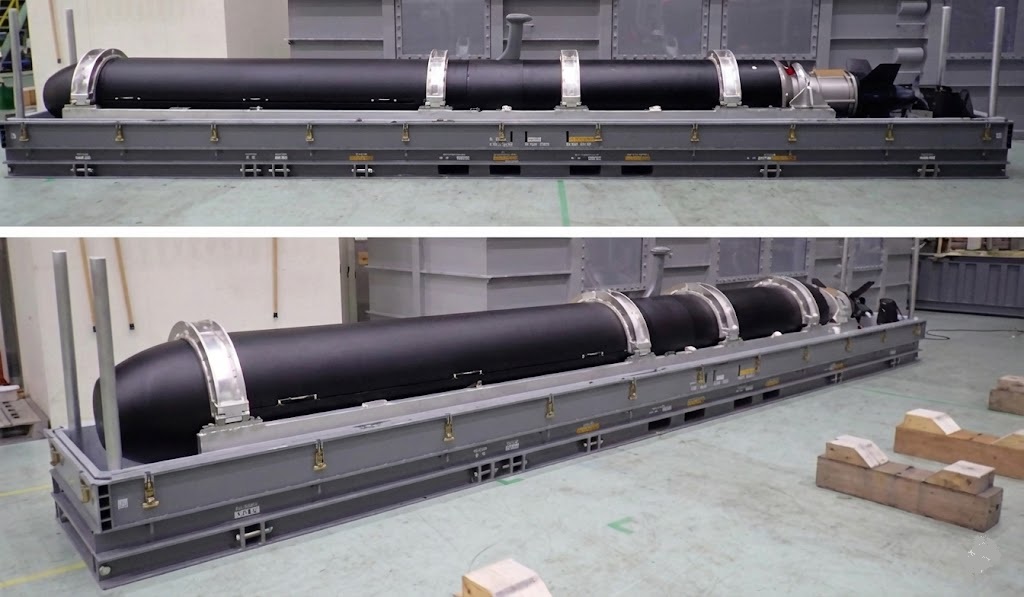
Tensions escalated further on January 9, when Russia launched a long-range strike against Ukraine’s western Lviv Oblast, an area far from the main front lines and close to NATO territory. According to Ukrainian officials, the attack involved an Oreshnik intermediate-range ballistic missile, a system capable of carrying both conventional and nuclear warheads.
The missile struck a large underground gas storage facility approximately 70 kilometers from the Polish border, triggering powerful explosions and widespread power outages across parts of the region. Maksym Kozytskyi, head of the Lviv Regional Military Administration, confirmed that residents reported multiple detonations, suggesting the possible use of several warheads impacting in quick succession.
Early Warnings and Nationwide Alerts
In the hours before the strike, Ukrainian Telegram monitoring channels warned of a possible missile launch from Russia’s Kapustin Yar test site, a key facility for testing long-range weapons. Shortly afterward, Ukraine’s Air Force issued an air raid alert covering the entire country, underscoring the perceived severity of the threat.
Military experts say the Oreshnik missile’s range of up to 5,500 kilometers and hypersonic speed exceeding 12,000 kilometers per hour place it beyond the interception capability of Ukraine’s current air defense systems. The weapon can reportedly be fitted with single or multiple warheads, raising concerns about its potential use as a strategic signaling tool rather than solely a battlefield weapon.
International Concerns and Strategic Implications
The strike near NATO’s eastern flank has heightened anxiety among Ukraine’s allies, particularly given the missile’s nuclear-capable design. While there is no indication that a nuclear payload was used, defense analysts warn that employing such systems blurs the line between conventional and strategic warfare, increasing the risk of miscalculation.
As fighting continues and claims of territorial change remain disputed, diplomats and military planners alike are watching closely. The combination of asserted ground advances in northeastern Ukraine and long-range missile strikes deep in the west signals a potentially more volatile phase of the conflict, with implications that extend well beyond Ukraine’s borders.
About the Author
Aditya Kumar:
Defense & Geopolitics Analyst
Aditya Kumar tracks military developments in South Asia, specializing in Indian missile technology and naval strategy.