Royal Navy Pursues Long-Range Anti-Submarine Warfare Capability, Inspired by India's SMART System
The UK Ministry of Defence is seeking a new Long Range Anti-Submarine Warfare weapon for the Royal Navy's Type 26 frigates, aiming to enhance ASW capabilities. This initiative aligns with the UK's Defence and Security Industrial Strategy and may involve international collaborations.
The UK Ministry of Defence (MoD) has recently announced its search for a new Long Range Anti-Submarine Warfare (LRAW) weapon for the Royal Navy. This initiative aims to enhance the anti-submarine warfare (ASW) capabilities of the Royal Navy's Type 26 frigates, known for their advanced design and versatility.
Key Requirements for the LRAW
The MoD has outlined several key requirements for the new LRAW system:
1. Extended Range: The weapon must have a significantly greater range than current and projected threat heavyweight torpedoes, ensuring a strategic advantage in ASW operations.
2. Versatility: It should be interchangeable, capable of quick-reaction, all-weather operation, and able to deliver lightweight torpedoes from the Mk41 Vertical Launching Systems (VLS) aboard Type 26 frigates.
3. Compatibility: The system must work seamlessly with existing UK lightweight torpedoes and be deployable from any platform equipped with the Mk41 VLS.
4. Integration: The weapon must integrate smoothly with Royal Navy combat or sonar systems and adhere to 'Secure by Design' principles to ensure robust cybersecurity measures.
Potential Solutions
One promising solution is the Vertical Launch Anti-Submarine Rocket (ASROC) missile, currently used by the U.S. Navy. The ASROC system offers a proven, all-weather, quick-reaction, stand-off anti-submarine capability and is compatible with the Mk41 VLS. This system could meet the Royal Navy's requirements while leveraging existing technology.
Comparative Developments
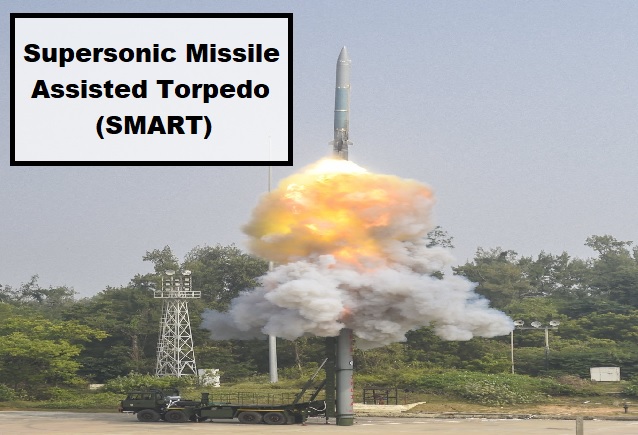
India's Defence Research and Development Organisation (DRDO) has developed a similar system known as the Supersonic Missile Assisted Release of Torpedo (SMART). This system uses missile technology to deliver lightweight torpedoes at extended ranges, enhancing India's ASW capabilities. The similarities between SMART and the proposed LRAW highlight potential avenues for international collaboration, which could benefit both nations by sharing expertise and technological advancements.
Strategic Implications
The development of the LRAW aligns with the UK's Defence and Security Industrial Strategy (DSIS), which emphasizes the importance of modernizing defense capabilities and fostering relationships with the defense industry. The Royal Navy's pursuit of a new ASW weapon demonstrates its commitment to maintaining maritime security and enhancing its operational capabilities.
The MoD has issued a Request for Information (RFI), inviting industry partners to provide insights and potential solutions. While this RFI is not a formal bidding opportunity, it marks a significant step towards procuring a next-generation ASW weapon system that will bolster the Royal Navy's defensive and offensive capabilities against submarine threats.
As the Royal Navy progresses with this initiative, potential collaborations with countries like India could lead to shared technological advancements, enhancing global maritime security.
Conclusion
The UK Ministry of Defence's search for a new Long Range Anti-Submarine Warfare weapon underscores the ongoing efforts to modernize the Royal Navy's capabilities. By seeking advanced solutions like the ASROC missile and exploring international collaborations, the Royal Navy aims to maintain a strategic edge in ASW operations, ensuring the security of its maritime borders and global interests.
✍️ This article is written by the team of The Defense News.