Royal Navy Faces Severe Shortage of Frigates and Destroyers Warships
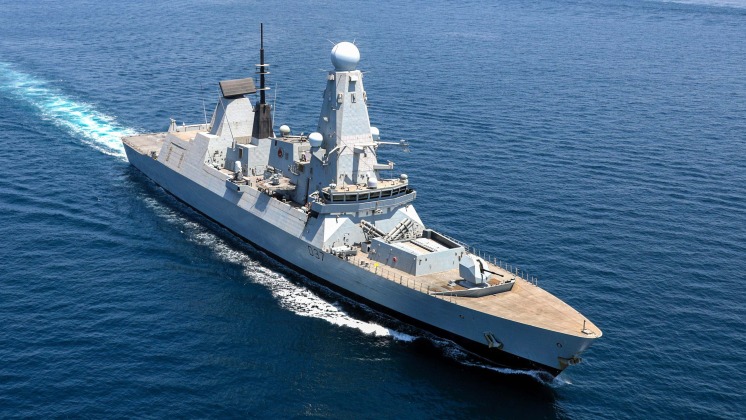
The Royal Navy is facing one of its most serious capability gaps in decades, with the number of operational frigates and destroyers at a historic low.
Out of the fleet’s six Type 45 destroyers, only two are currently active, while the others remain in dock for critical propulsion and electrical upgrades. The situation is not much better for the eight Type 23 frigates, with just six available for deployment. This means that at any given time, the UK can field only around eight escort vessels, far below the level needed to meet both homeland defence and NATO commitments.
The shortage has been compounded by the retirement of older ships, including HMS Westminster and HMS Argyll earlier this year. Crews from these vessels have been reassigned to help prepare for the future Type 26 frigates, but the transition has left an immediate gap in the Navy’s surface fleet.
Manpower challenges have added to the crisis. The Royal Fleet Auxiliary, which supports Royal Navy operations at sea, is struggling to recruit and retain enough sailors, leading to instances where allied vessels have been called upon to provide resupply and support. At the same time, shortages of spare parts have forced the Ministry of Defence to “cannibalise” components from inactive ships to keep others operational—a practice that has risen sharply in recent years.
Replacement programmes for new warships are also facing delays. Both the Type 26 and Type 31 frigate projects have been marked as at risk due to budget pressures and production challenges. The planned Type 32 frigate has been pushed back, with its future still uncertain.
Defence analysts warn that the Royal Navy’s reduced escort fleet limits the UK’s ability to protect its aircraft carriers, maintain a presence in contested waters, or respond rapidly to global crises. Lawmakers have expressed concern that the situation leaves Britain vulnerable at a time of growing instability at sea.
The Ministry of Defence insists that investment in new vessels will reverse the decline, but until those ships enter service, the Royal Navy will continue to operate with one of the smallest surface combatant forces in its modern history.
✍️ This article is written by the team of The Defense News.