Raytheon’s PhantomStrike Radar Takes Flight for the First Time
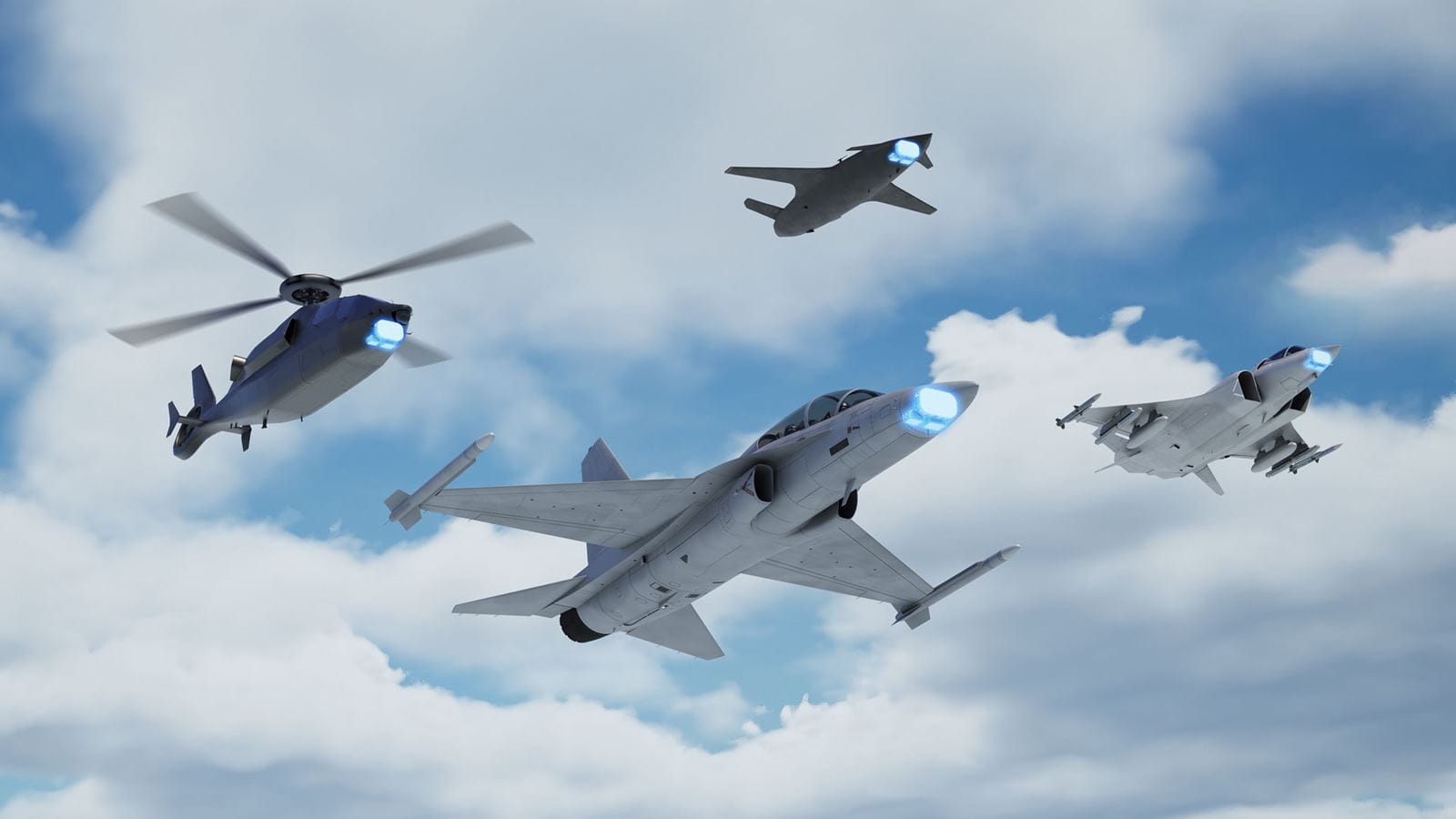
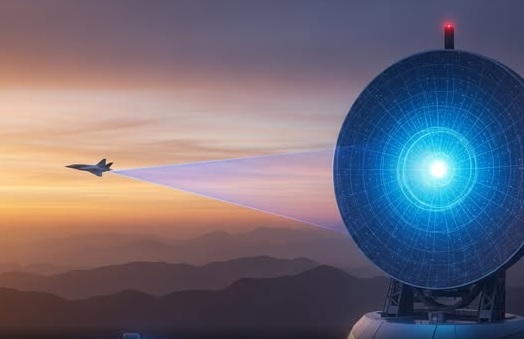
Raytheon has achieved a major milestone with the first flight of its new PhantomStrike radar, a lightweight active electronically scanned array (AESA) system designed to deliver advanced sensing capabilities to a wider range of aircraft. The successful test flight, conducted aboard a modified Boeing 727 testbed over California, demonstrated the radar’s ability to track airborne targets and map terrain with unprecedented clarity for its size.
“This was the first time PhantomStrike has flown, and it worked like a champ,” said Rob Swaringen, Raytheon’s chief test bed pilot and a former F-16 pilot. “The situational awareness it delivers in the cockpit is a real game-changer. It’s 10 times what I could see with older radar systems.”
Compact Powerhouse
Scaling down to the size of a gaming computer and weighing under 130 pounds, PhantomStrike was developed with size, weight, power, and cost (SWaP-C) limitations in mind. Unlike traditional AESA radars that rely on liquid cooling, PhantomStrike uses air drawn from the aircraft itself. This allows for installation in just a few hours, reducing complexity and maintenance costs.
At its core, the radar combines a gallium nitride (GaN)-powered antenna with a compact high-reliability integrated receiver/processor (CHIRP). This pairing delivers the power, efficiency, and digital beam steering needed for precise multi-mode tracking, air-to-ground scanning, and threat identification, including the ability to distinguish friend from foe.
First Flight Success
During the test campaign, Raytheon engineers observed the radar generating crisp images of terrain in California, clearly outlining land features, forests, and coastlines. It also demonstrated the ability to track multiple airborne targets, confirming the versatility of the design.
“It was the cherry on top to see it work as expected,” said Larry Martin, senior technology fellow at Raytheon and technical lead for PhantomStrike. “Once we were integrated on the plane, a lot of questions were answered.”
New Options for Smaller Aircraft
Traditionally, AESA radar technology has been limited to larger, more advanced fighter aircraft due to weight, power, and cooling requirements. PhantomStrike changes that equation. Its compact design opens the door for integration on light combat aircraft, helicopters, and UAVs, providing platforms that have historically relied on older mechanically scanned radars with a leap in capability.
Korea Aerospace Industries has already placed orders for more than 50 FA-50 Light Combat Aircraft equipped with PhantomStrike. Raytheon is also working with the U.S. government to expand international sales, aiming to reach nations whose fleets still depend on radars developed in the 1980s.
“There are people still flying around with outdated technology,” said Dave Kupfer, senior systems engineer at Raytheon. “We’re setting a new standard for what AESA radars can be.”
The Bigger Picture
By shrinking high-end radar capabilities into a lightweight, affordable package, Raytheon has positioned PhantomStrike as a solution for nations seeking to modernize without investing in entirely new aircraft fleets. Its air-cooled design, GaN efficiency, and multi-mode functionality bring the power, performance, and mission flexibility of advanced radars to platforms once thought too small to carry them.
While questions remain about its ultimate range and endurance compared to larger AESA radars, the debut of PhantomStrike signals a new phase in airborne sensing — one where even smaller aircraft can achieve the kind of situational awareness and combat effectiveness once reserved for front-line fighters.
✍️ This article is written by the team of The Defense News.