Raytheon Delivers First PhantomStrike GaN Base Radar to South Korea’s FA-50 Fighter Jets
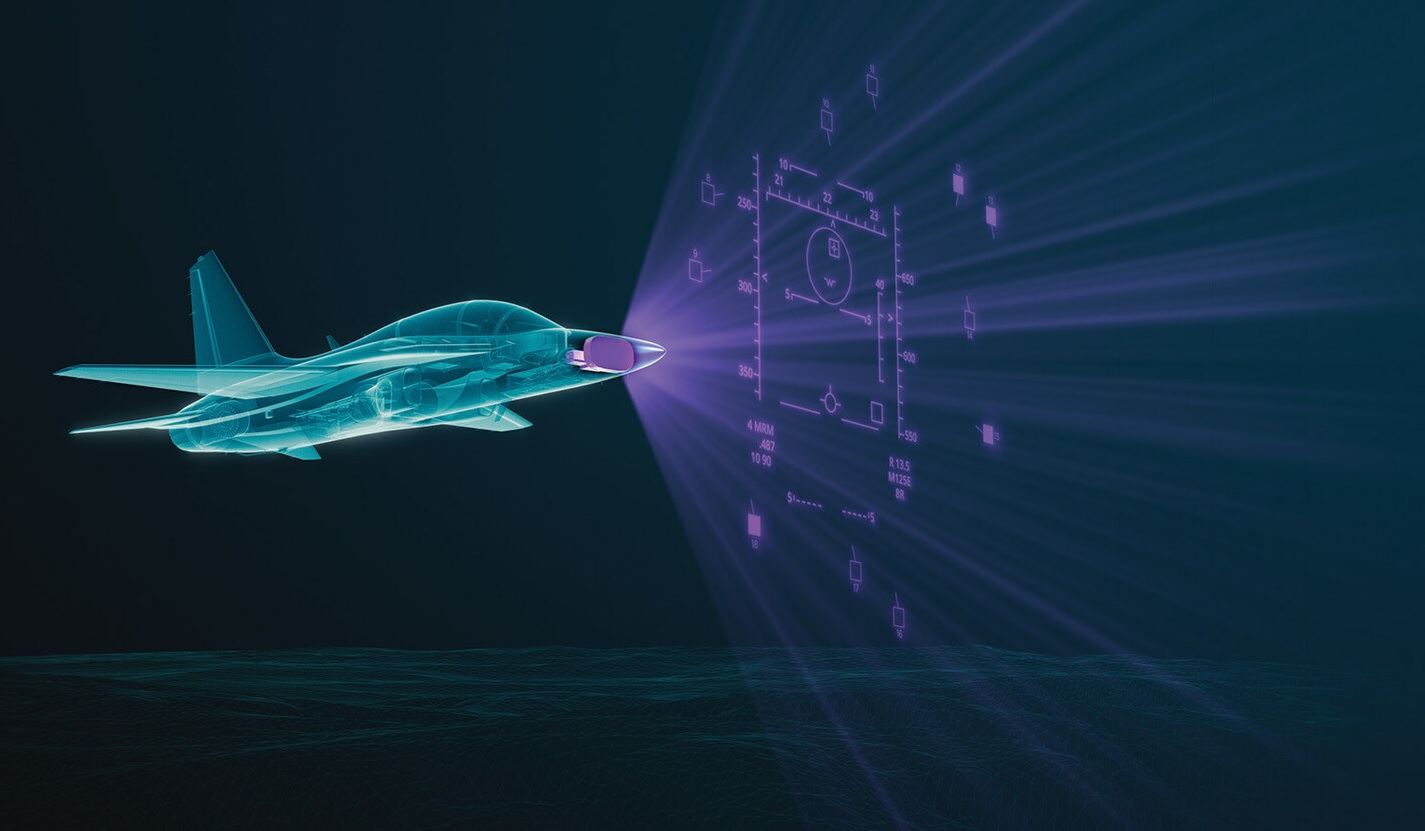
Raytheon Technologies has marked a significant milestone in its defense partnership with Korea Aerospace Industries (KAI) by delivering the first PhantomStrike radar for integration into the FA-50 Light Combat Aircraft. This delivery represents a major enhancement in the FA-50’s operational capabilities and underscores the growing collaboration between the United States and South Korea in advanced defense technologies.
The PhantomStrike radar is a compact, fully air-cooled fire-control system that leverages Gallium Nitride (GaN) technology to provide superior performance with high efficiency and reduced cost. Weighing under 150 pounds, it is nearly half the weight of conventional Active Electronically Scanned Array (AESA) radars, making it ideal for smaller platforms without compromising capability. Its digital beamforming and agile steering enable rapid target detection, tracking, and engagement, even in complex and electronically contested environments.
The radar significantly enhances the FA-50’s effectiveness across multiple dimensions. Through advanced algorithms and GaN technology, PhantomStrike extends detection ranges, enabling pilots to identify and engage threats earlier than previously possible. Its multimode functionality allows the radar to seamlessly operate in both air-to-air and air-to-ground configurations, supporting versatile mission profiles from aerial combat to precision ground strikes. Additionally, robust electronic counter-countermeasure systems ensure reliable operation even in the presence of hostile electronic interference, maintaining operational readiness in challenging conditions. Despite these advanced capabilities, PhantomStrike operates at nearly half the cost of traditional fire-control radars, offering a cost-efficient solution without compromising performance.
Strategically, the integration of PhantomStrike is expected to strengthen South Korea’s defense industry and enhance the export potential of the FA-50 fleet. With plans to equip over 50 aircraft with the radar, the system represents a shift toward more affordable yet technologically advanced radar solutions in light combat aircraft. It also demonstrates the increasing importance of international defense collaborations in accelerating the development and deployment of next-generation aerospace technologies.
In conclusion, Raytheon’s PhantomStrike radar sets a new benchmark for radar systems in light combat aircraft. By combining high performance, compact design, and cost efficiency, it elevates the operational capabilities of the FA-50 while reinforcing the strategic defense partnership between South Korea and the United States. The delivery not only enhances national defense capabilities but also signals the broader trend of integrating advanced, adaptable radar technologies into modern combat aircraft.
About the Author
Aditya Kumar:
Defense & Geopolitics Analyst
Aditya Kumar tracks military developments in South Asia, specializing in Indian missile technology and naval strategy.