Radioactive Water Leak from UK Nuclear Warhead Base Sparks Outcry Over Maintenance Failures Hidden For Years
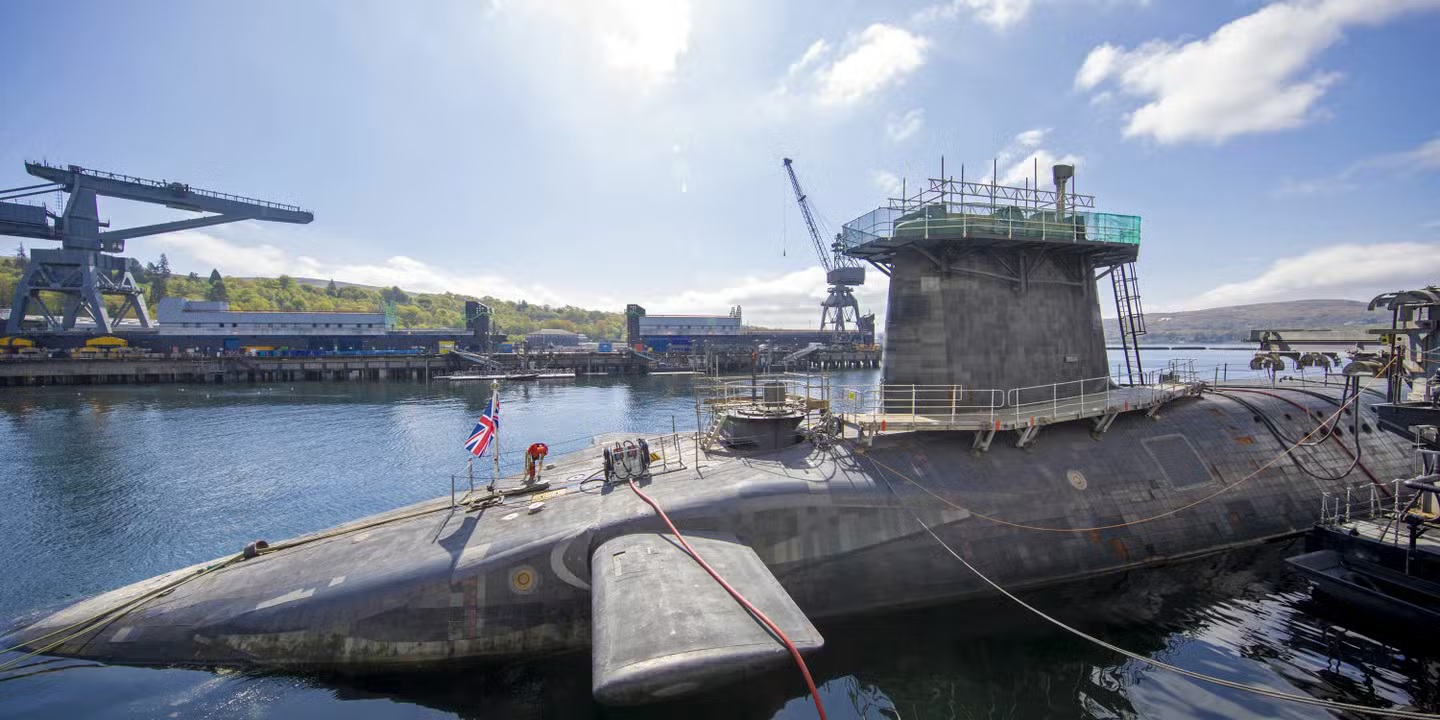
A series of official files has revealed that radioactive water from the UK’s most secretive nuclear weapons base leaked into the sea after aging pipes repeatedly burst, raising serious concerns about maintenance and oversight at the facility.
The leaks occurred at the Coulport armaments depot, a high-security site on Loch Long in western Scotland that stores the Royal Navy’s stock of Trident nuclear warheads. The water became contaminated with low levels of tritium, a radioactive isotope used in nuclear warheads, before draining into the loch.
Investigations by the Scottish Environment Protection Agency (SEPA) found that up to half of the base’s 1,500 water pipes were beyond their design life when the incidents occurred. SEPA blamed shortfalls in maintenance and poor asset management, noting that the Ministry of Defence (MoD) failed to replace the deteriorating infrastructure despite repeated warnings.
The problem first came to light after a major pipe burst in August 2019 flooded a nuclear weapons processing area. This water, contaminated with tritium, passed through an open drain into Loch Long. Earlier bursts had occurred in 2010 and again in early 2019, while two more leaks took place in 2021.
While SEPA confirmed that the radiation levels were extremely low and posed no risk to human health, the repeated incidents were deemed unnecessary and avoidable. The agency also criticised the MoD’s slow response in carrying out 23 promised corrective actions, with progress delayed for years.
The leaks and their details were kept secret for years under national security claims, but after a six-year legal battle, Scotland’s Information Commissioner ordered their release—stating that the files threatened reputations, not security.
Nuclear weapons experts have condemned the situation as “outrageous,” pointing out that the government is spending nearly £2 billion on upgrading the Faslane and Coulport facilities, yet lacked a proper asset management system as recently as 2022.
Since the disclosures, the MoD and SEPA have said substantial improvements have been made to maintenance and asset management at the base, and no similar leaks have been reported. The MoD insists there has never been an unsafe release of radioactive material into the environment and that all discharges remain within regulatory limits.
The revelations have renewed calls for greater transparency in the handling of the UK’s nuclear arsenal, with critics warning that secrecy and poor oversight increase the risk of avoidable environmental contamination in the future.
✍️ This article is written by the team of The Defense News.