Putin Signals Return to Arms ,Russia to Produce Previously Banned Missiles
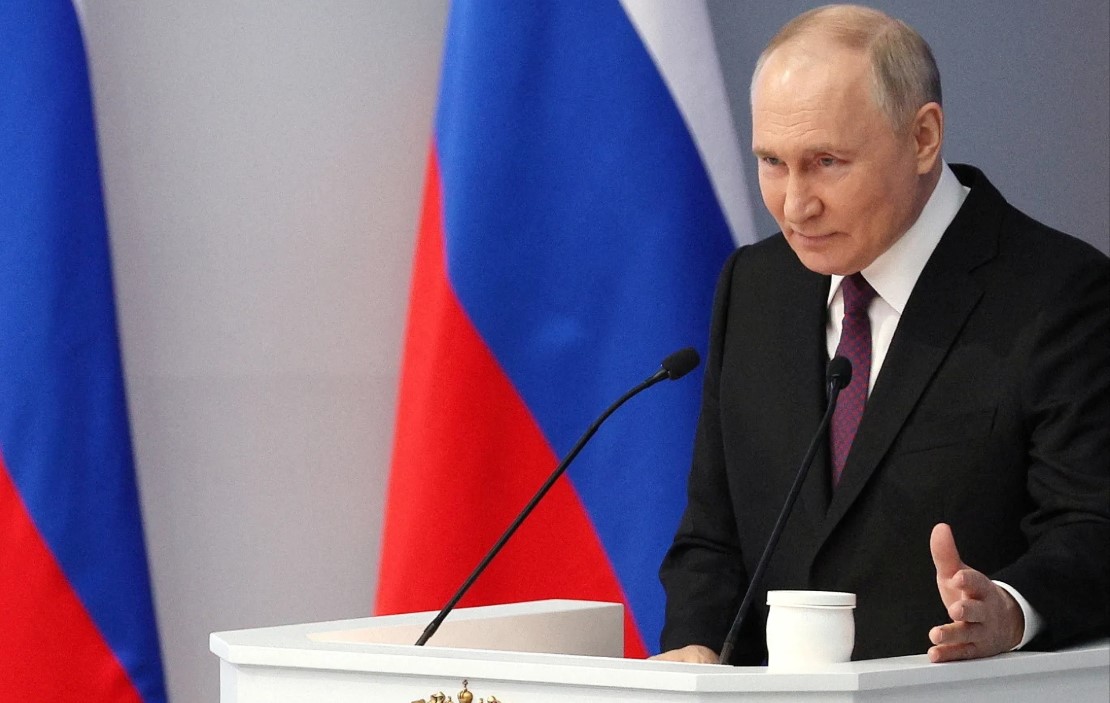
In a bold and somewhat alarming move, Russian President Vladimir Putin has declared that Russia will commence production of short and intermediate-range missiles that were once prohibited under a now-defunct arms control treaty with the United States. This announcement came during a televised address to top security officials, stirring memories of Cold War tensions and arms races.
The missiles in question have ranges between 500 to 5,500 kilometers (approximately 300 to 3,400 miles) and were banned under the Intermediate-Range Nuclear Forces (INF) Treaty. This landmark agreement, signed in 1987, was a critical component in reducing the nuclear threat between the two superpowers during a period of heightened global tension. However, the treaty unraveled in 2019 when the United States withdrew, citing Russia's non-compliance. In response, the Kremlin pledged to maintain a moratorium on missile production as long as the US refrained from deploying similar weapons within range of Russian territory.
Fast forward to the present, and Putin's latest pronouncement signals a stark shift in Russia's stance. According to Putin, the United States has begun incorporating such missiles into training exercises in Denmark. This development, he argued, necessitates a Russian response. "We need to react to this and make decisions about what we should do next in this area. It seems that we need to start producing these strike systems," Putin stated. His comments suggest a calculated escalation, indicating that Russia will not only resume production but also consider strategic deployment based on emerging threats.
The broader context of Putin's announcement highlights the deterioration of several key arms control agreements that once formed the bedrock of US-Russia relations. In addition to the INF Treaty, the New START treaty, the last remaining nuclear arms control agreement between the two countries, has also faced setbacks. Russia suspended its participation in the New START last year, further complicating the global nuclear landscape.
This resurgence of missile production comes amid heightened geopolitical tensions, particularly in Eastern Europe. The United States has been supplying shorter-range missiles to Ukraine, bolstering Kyiv's defense against Russian advances. In a controversial move last month, the US partially lifted a ban on Ukraine using these weapons against targets within Russian territory. This decision drew sharp warnings from Moscow, raising fears of a potentially dangerous escalation.
Putin's announcement is not just about missiles; it's a reflection of the broader strategic chess game between the US and Russia. As both nations navigate a complex web of military, economic, and political maneuvers, the revival of missile production adds another layer of uncertainty and risk. For Russia, it represents a bid to reclaim strategic parity and assert its influence in an increasingly multipolar world. For the global community, it is a reminder of the fragile nature of international security arrangements and the ever-present specter of a renewed arms race.
✍️ This article is written by the team of The Defense News.