Putin Says Taliban ‘Our Allies’ in Fighting Terrorism
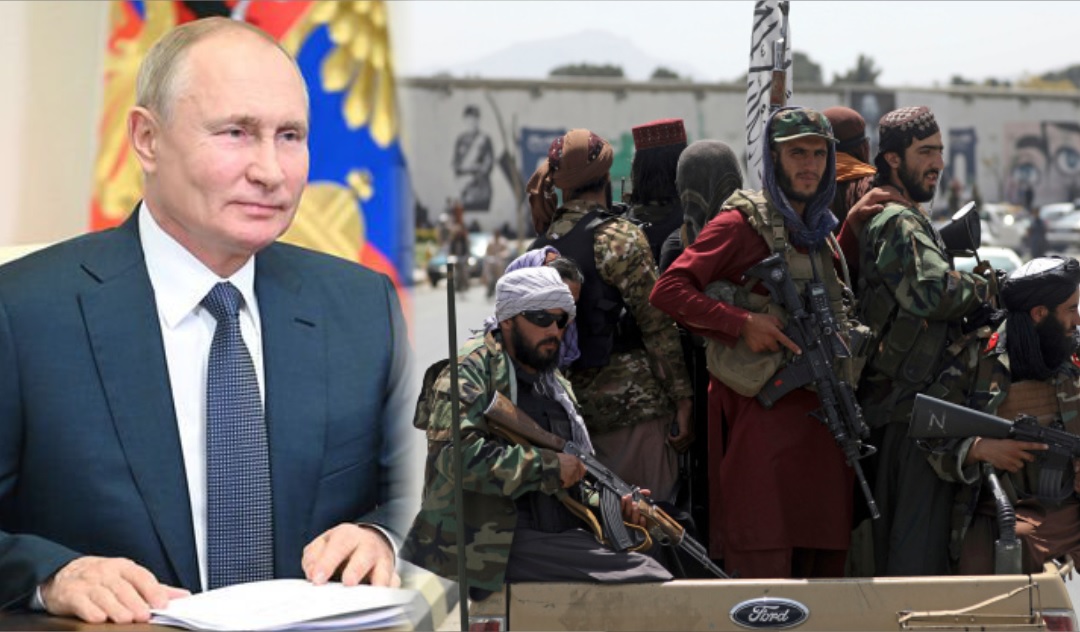
In a surprising declaration, Russian President Vladimir Putin referred to the Taliban as "allies" in combating terrorism, despite the group being officially banned in Russia since 2003. Putin's comments, made during a meeting in Astana, underscore the shifting dynamics in Moscow's foreign policy, particularly in relation to Afghanistan, where the Taliban have held power since 2021.
For years, Moscow has nurtured an uneasy yet pragmatic relationship with the Taliban. This relationship is driven by a shared interest in stabilizing Afghanistan and countering the threat posed by the Islamic State Khorasan (IS-K), a jihadist group active in the region. Putin emphasized this point, stating, "We must assume that the Taliban control the power in the country. And in this sense, the Taliban are, of course, our allies in the fight against terrorism."
The Taliban's efforts against IS-K have been significant. The rivalry between the Taliban and IS-K is well-documented, with both groups vying for control and influence in Afghanistan. In March, IS-K fighters carried out a devastating attack on a Moscow concert hall, killing over 140 people. This assault marked the deadliest terror attack in Russia in nearly two decades, highlighting the persistent threat posed by IS-K.
Since seizing control of Afghanistan following the U.S. withdrawal in 2021, the Taliban have implemented a strict interpretation of Islamic law, drastically curtailing women's rights and freedoms. Despite these harsh measures, Putin acknowledged that the Taliban have "taken on some responsibilities" to ensure stability in the region. However, he also noted that there are ongoing issues requiring "constant attention inside the country and from the international community."
Moscow's approach to the Taliban is complicated by historical context. The Soviet Union's invasion of Afghanistan in the 1980s left a legacy of conflict and mistrust. Nevertheless, the Russian government has sought to rebuild relations with Afghanistan, particularly after the U.S. exit. While Moscow has yet to formally recognize the Taliban's government, often referred to as the "Islamic Emirate of Afghanistan," it has engaged in dialogue and sought to foster a working relationship.
Putin's remarks reflect a strategic calculation. By positioning the Taliban as partners in the fight against terrorism, Russia aims to stabilize its southern borders and mitigate the threat posed by extremist groups. This approach aligns with Russia's broader geopolitical interests in Central Asia, where stability and security are paramount concerns.
In summary, Putin's labeling of the Taliban as "allies" in anti-terrorism efforts marks a notable shift in Russia's foreign policy. This development is rooted in a pragmatic assessment of the security landscape in Afghanistan and the shared goal of countering IS-K. While challenges remain, Moscow's evolving relationship with the Taliban underscores the complexities of international diplomacy in a rapidly changing world.
✍️ This article is written by the team of The Defense News.