Putin Offers to Mediate Between Israel and Iran Amid Deepening Russia-Iran Alliance
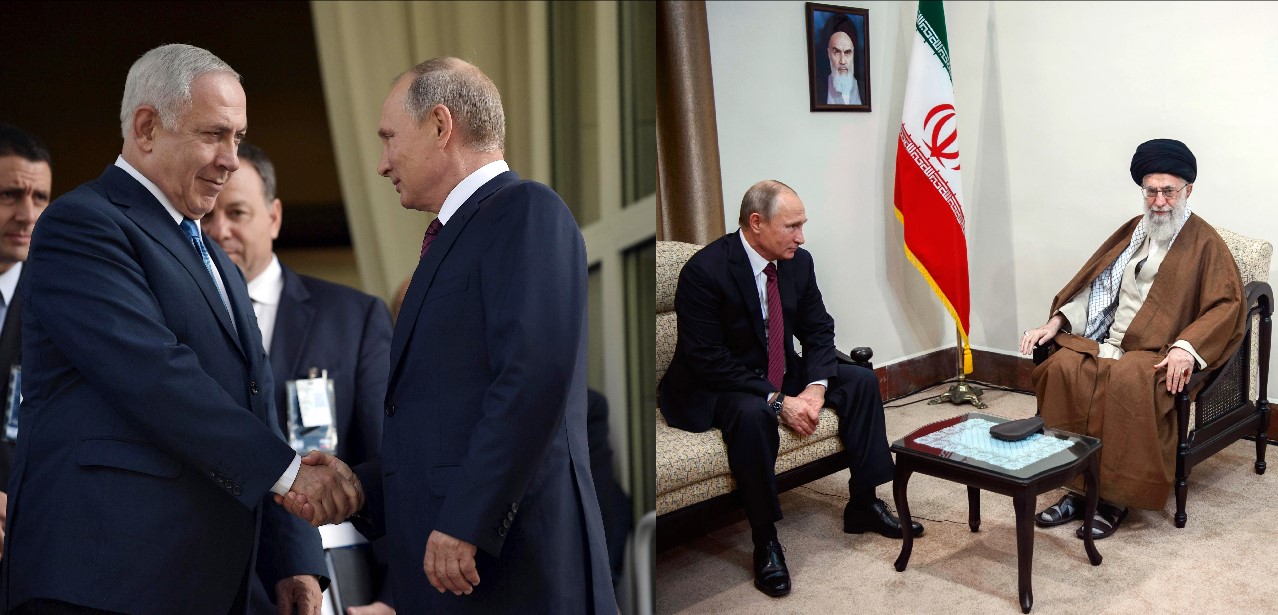
Moscow / Jerusalem : Russian President Vladimir Putin has offered to act as a mediator in restoring relations between Israel and Iran, signaling a potential diplomatic role for the Kremlin even as Russia’s military and strategic partnership with Tehran continues to expand.
According to officials familiar with the conversation, the proposal was raised during a recent phone call between Putin and Israeli Prime Minister Benjamin Netanyahu, in which the two leaders discussed a range of regional security issues, including Iran’s growing influence in the Middle East and the broader fallout from ongoing regional conflicts.
A Kremlin Mediation Offer
During the call, Putin told Netanyahu that Russia is prepared to facilitate dialogue between Israel and the Islamic Republic of Iran, two long-standing adversaries whose relations have deteriorated sharply in recent years. The Kremlin framed the offer as part of Russia’s self-described role as a stabilizing force in the Middle East, where it maintains diplomatic channels with nearly all major regional actors.
Moscow has positioned itself as one of the few global powers able to speak directly to both Jerusalem and Tehran. Russian officials argue that this unique access gives the Kremlin leverage to reduce tensions, particularly amid fears that miscalculation could trigger a wider regional conflict involving Hezbollah, Iranian-backed militias, and Israeli forces.
Israeli officials have not publicly commented on whether Netanyahu welcomed or rejected the offer, but analysts note that Israel remains deeply skeptical of Iran’s intentions and wary of Russia’s close alignment with Tehran.
Russia and Iran: A Strategic Partnership
Putin’s mediation proposal comes against the backdrop of an increasingly deep military and economic relationship between Russia and Iran. Tehran has emerged as one of Moscow’s most important defense partners since Russia’s full-scale invasion of Ukraine in 2022.
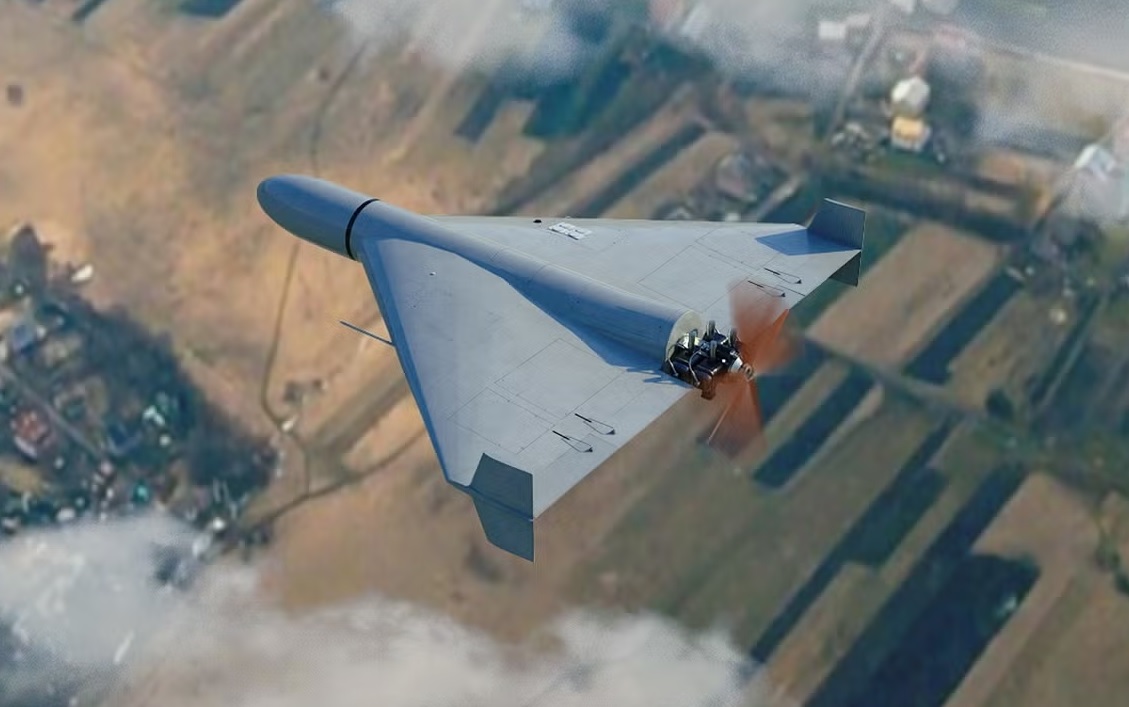
According to reporting by Bloomberg, Iran has supplied Russia with missiles and other advanced weapons systems valued at nearly $3 billion in recent years. These weapons, Western intelligence officials say, have been used by Russian forces in strikes against Ukrainian cities and infrastructure.
Overall, Russia’s spending on Iranian military equipment since late 2021 is estimated to exceed $4 billion, underscoring how central Tehran has become to Moscow’s war effort as Western sanctions restrict Russia’s access to traditional arms suppliers.
Israeli Concerns Over Dual Roles
For Israel, Russia’s dual posture—as a potential mediator and a close ally of Iran—raises serious concerns. Iranian missiles and drones supplied to Russia are similar to systems Tehran has transferred to its regional proxies, including Hezbollah in Lebanon, which Israel considers one of its most significant security threats.
Israeli officials have long accused Iran of pursuing a strategy of encirclement, arming hostile groups on Israel’s borders while advancing its own missile and nuclear capabilities. Against this backdrop, Moscow’s claim to neutrality is viewed with caution in Jerusalem.
Broader Geopolitical Implications
Putin’s outreach also reflects Russia’s effort to maintain relevance on the global diplomatic stage despite its growing isolation from the West. By offering mediation between Israel and Iran, the Kremlin signals that it still sees itself as an indispensable power broker in the Middle East.
At the same time, the move highlights the complex and often contradictory nature of Russia’s foreign policy: seeking diplomatic credibility while relying heavily on Iran for military support in Ukraine.
Whether Putin’s proposal leads to any tangible diplomatic progress remains uncertain. For now, it underscores the shifting alliances and strategic calculations shaping a region already marked by deep mistrust, competing interests, and the risk of escalation.
About the Author
Aditya Kumar:
Defense & Geopolitics Analyst
Aditya Kumar tracks military developments in South Asia, specializing in Indian missile technology and naval strategy.