Putin Offers One-Year Extension of New Strategic Arms Reduction Treaty, Urges U.S. Reciprocity
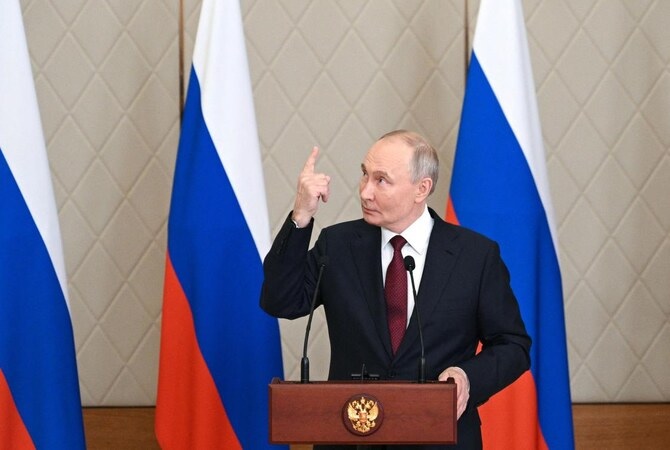
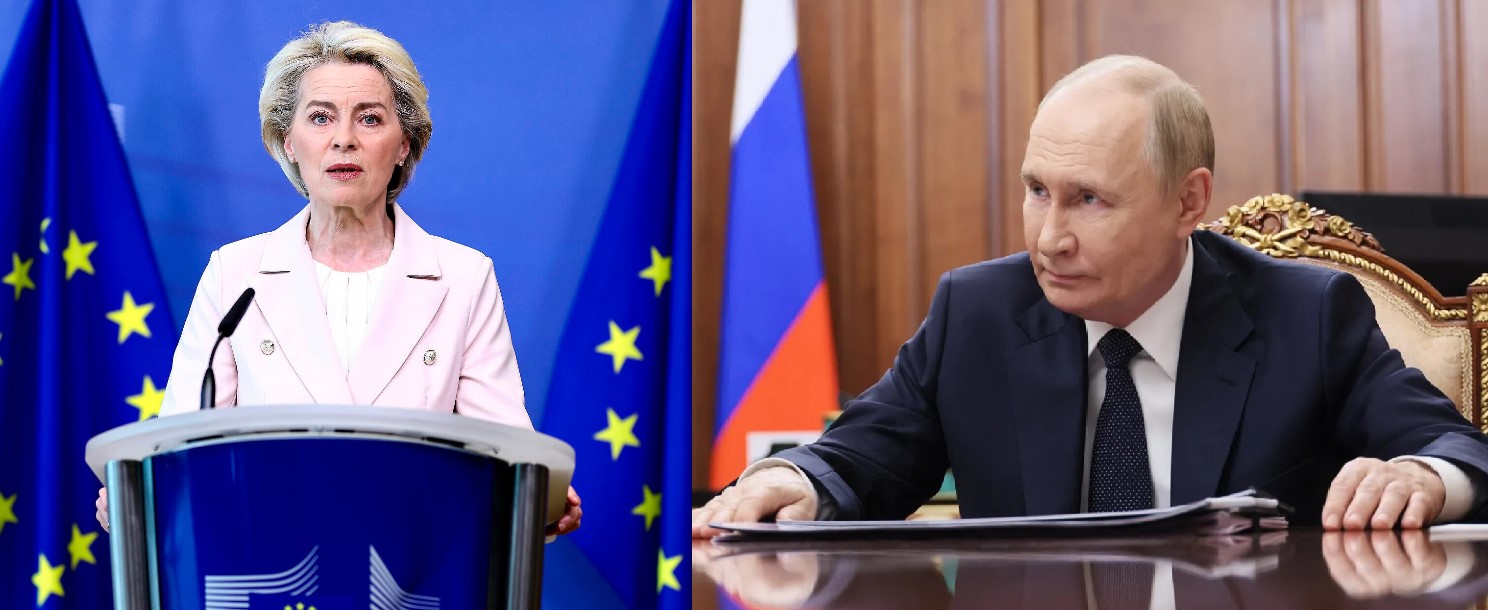
Russian President Vladimir Putin has announced that Russia is prepared to extend its adherence to the New START Treaty for an additional year beyond its scheduled expiration on February 5, 2026. This treaty, signed in 2010, is the last remaining arms control agreement between Russia and the United States, limiting each country to 1,550 deployed nuclear warheads and 700 deployed delivery systems, including land-based missiles, submarine-launched missiles, and strategic bombers. Putin emphasized that this extension is contingent upon the United States agreeing to maintain the treaty's limits as well.
During a meeting with Russia's Security Council, Putin stated that allowing the treaty to expire without a successor agreement would have negative consequences for global stability. He argued that maintaining the treaty's framework is essential to avoid provoking a new arms race and to ensure an acceptable level of predictability and restraint during a turbulent period. Putin also expressed concern over potential U.S. actions that could undermine the existing balance of deterrence capabilities, particularly regarding missile defense systems.
The New START Treaty has been a cornerstone of strategic stability between the two nuclear powers. While Russia suspended certain aspects of the treaty in 2023 amid escalating tensions over the war in Ukraine, it has continued to adhere to the central numerical limits on nuclear warheads and delivery systems.
U.S. President Donald Trump has previously expressed support for maintaining nuclear limits with Russia. In July 2025, he acknowledged the importance of nuclear restrictions and indicated a willingness to engage in discussions about extending the treaty. However, no formal negotiations have commenced, and Trump has also advocated for a broader nuclear arms control agreement that includes China, a proposal that Beijing has rejected.
The Arms Control Association welcomed Putin's offer, viewing it as a positive step toward preserving strategic stability and encouraging dialogue between the two nuclear powers. The association emphasized the importance of extending the treaty to prevent an unchecked nuclear arms race and to maintain transparency and predictability in U.S.-Russia relations.
As the expiration date of the New START Treaty approaches, the international community watches closely to see if the United States and Russia can reach an agreement to extend the treaty and continue their commitment to nuclear arms control. The outcome of this decision will have significant implications for global security and the future of arms control efforts.
✍️ This article is written by the team of The Defense News.