Philippines Set To Become Early Export Customer For South Korea’s KF-21 Fighter By 2026
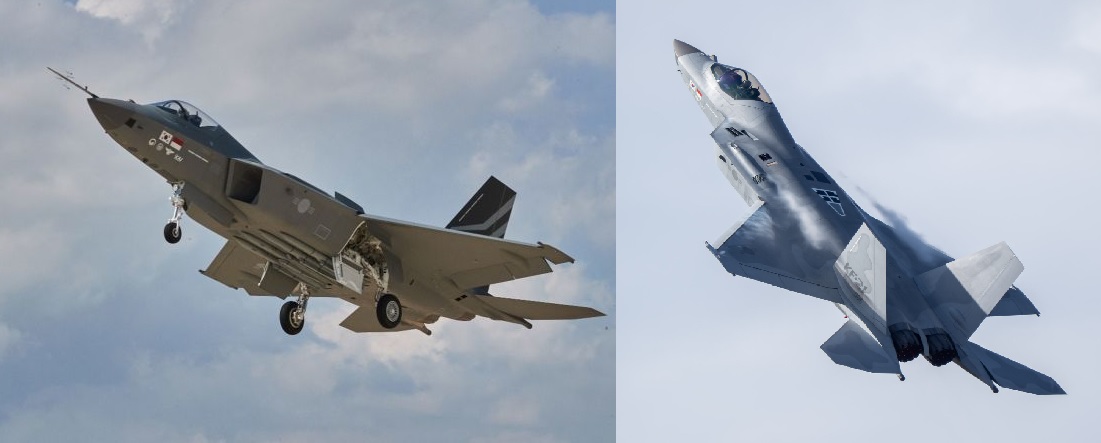
The Philippines is emerging as a potential early export customer for South Korea’s next-generation KF-21 Boramae Fighter Aircraft, according to reporting by Yonhap News Agency, a development that would mark a major step in Manila’s Long-Running Effort To Rebuild And Modernize Its Air Combat Fleet.
South Korean media reports circulated by Korea Now have identified the Philippines among countries expected to receive the KF-21 under an existing contractual framework. The reports say a formal agreement between the Philippine Department Of National Defense (DND) and Korea Aerospace Industries (KAI) is expected to be signed by 2026, although no official confirmation has yet been issued by either government.
If concluded, the deal would represent one of the most significant Fighter Aircraft Acquisitions in Philippine history and an early Export Breakthrough for South Korea’s flagship combat aircraft, which is approaching Operational Service with its home air force.
Existing Fleet Strengthens Korean Link
The Philippines already maintains a close operational relationship with KAI through the FA-50PH Light Combat Aircraft. According to defense data cited by regional analysts, the Philippine Air Force currently has 11 FA-50PH Jets In Active Service, with 12 Additional Aircraft On Order, underscoring Manila’s Reliance On Korean Platforms as the backbone of its jet capability.
The FA-50 Fleet has played a central role in Air Defense Alert Duties, Training, and limited Strike Missions, and has often been described by Philippine officials as an Interim Solution while the country works toward acquiring full Multi-Role Fighters. The growing number of FA-50s in the inventory is also seen as easing the transition to more advanced aircraft such as the KF-21, particularly in Pilot Conversion, Maintenance Practices, and Logistics Support.
KF-21 Aligns With Modernization Timeline
The KF-21 Boramae is a Twin-Engine, Supersonic Fighter designed to bridge the gap between Advanced Fourth-Generation Jets and Fifth-Generation Stealth Aircraft. The program conducted its First Flight In 2022 and is scheduled to begin Deliveries To The Republic Of Korea Air Force From 2026—the same year cited in reports as the target for a Philippine contract signing.
For Manila, the timing fits squarely within its broader Armed Forces Modernization Program, which emphasizes Air Defense, Maritime Domain Awareness, and Credible Deterrence amid heightened regional security concerns. Defense planners have repeatedly highlighted the need for aircraft with Greater Range, Payload, and Sensor Capability than the FA-50, particularly for operations over the country’s extensive Maritime Zones.
Competition And Industrial Incentives
Despite the apparent momentum behind the KF-21, the Philippines continues to evaluate multiple Fighter Options from different suppliers. Analysts note that any decision will hinge not only on Aircraft Performance, but also on Financing Terms, Weapons Integration, Delivery Schedules, and Long-Term Sustainment Costs.
Industrial Cooperation has also emerged as a key factor. Discussions with KAI have reportedly included the possibility of establishing Maintenance, Repair, And Overhaul (MRO) Facilities in the Philippines, a move that would reduce reliance on Overseas Support and improve overall Fleet Availability.
Strategic Implications
For South Korea, securing the Philippines as a KF-21 Customer would significantly bolster the aircraft’s Export Credentials and deepen Seoul’s Defense Ties In Southeast Asia. For Manila, a KF-21 acquisition would represent a Generational Shift In Air Combat Capability, shaping Pilot Training, Basing, and Interoperability With Partners for decades to come.
While officials in Manila have yet to publicly confirm the reports, the inclusion of a 2026 Signing Timeline suggests that discussions may be entering a more advanced phase. Should an agreement be finalized, it would mark a milestone not only for the Philippine Air Force, but also for South Korea’s Ambitions As A Leading Exporter Of Advanced Combat Aircraft.
✍️ This article is written by the team of The Defense News.