Pentagon Imposes New Press Restrictions, Sparking First Amendment Concerns
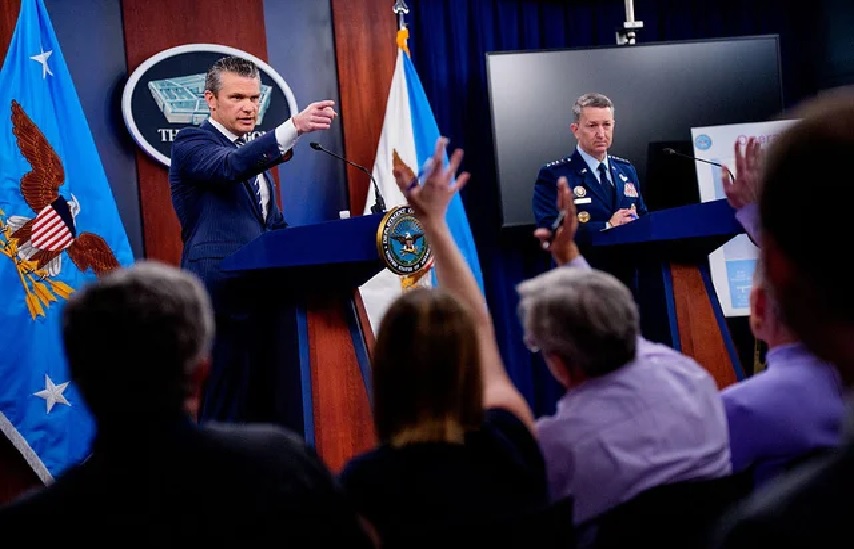
The Pentagon has introduced sweeping new restrictions on journalists covering the Department of Defense, a move that has drawn criticism from media organizations, legal experts, and even some lawmakers. Announced via a memo by Pentagon spokesman Sean Parnell, the new rules require reporters to adhere to strict guidelines before gaining or maintaining press credentials.
Under the policy, journalists must complete a 17-page agreement pledging not to publish or gather information without prior approval from an authorized official—even if the information is unclassified. Press credentials can be revoked or suspended for violations, including the disclosure of controlled unclassified information (CUI). Reporters’ access inside the Pentagon will also be limited, with many areas requiring a government escort.
The Pentagon defends the policy as a measure to protect national security, ensuring that both classified and sensitive unclassified information are not misused or improperly disclosed. Officials, including Sean Parnell, describe the rules as “basic, common-sense guidelines” consistent with security practices at other military facilities.
However, the move has triggered strong criticism. The New York Times and other media outlets argue that requiring prior approval for unclassified information amounts to prior restraint, which is widely considered incompatible with the First Amendment. Republican Representative Don Bacon called the rules “absurd,” warning that such measures risk turning the media into state-controlled outlets limited to reporting government talking points. Free press groups have also raised concerns that the restrictions could chill journalistic investigation and deter whistleblowers from sharing vital information.
This development comes amid ongoing tensions between the Trump administration and the media. Earlier this year, Secretary of Defense Pete Hegseth had already imposed restrictions requiring reporters to be escorted in Pentagon areas. Broader changes to media access, including reassigning certain news organizations from Pentagon offices, have fueled fears about government influence over reporting.
Experts warn that the new rules could face constitutional challenges, as prior restraint is generally deemed unconstitutional unless it meets exceptionally narrow criteria. The implications for press freedom are significant, potentially affecting how information about national security and military operations is reported in the United States.
While the Pentagon frames the guidelines as protective of sensitive information, many observers see the policy as a concerning shift that could give government officials undue control over the dissemination of information, even when it is unclassified.
✍️ This article is written by the team of The Defense News.