Pentagon Condemns “Highly Provocative” Venezuelan Jet Flyover Amid U.S. Anti-Narco Campaign
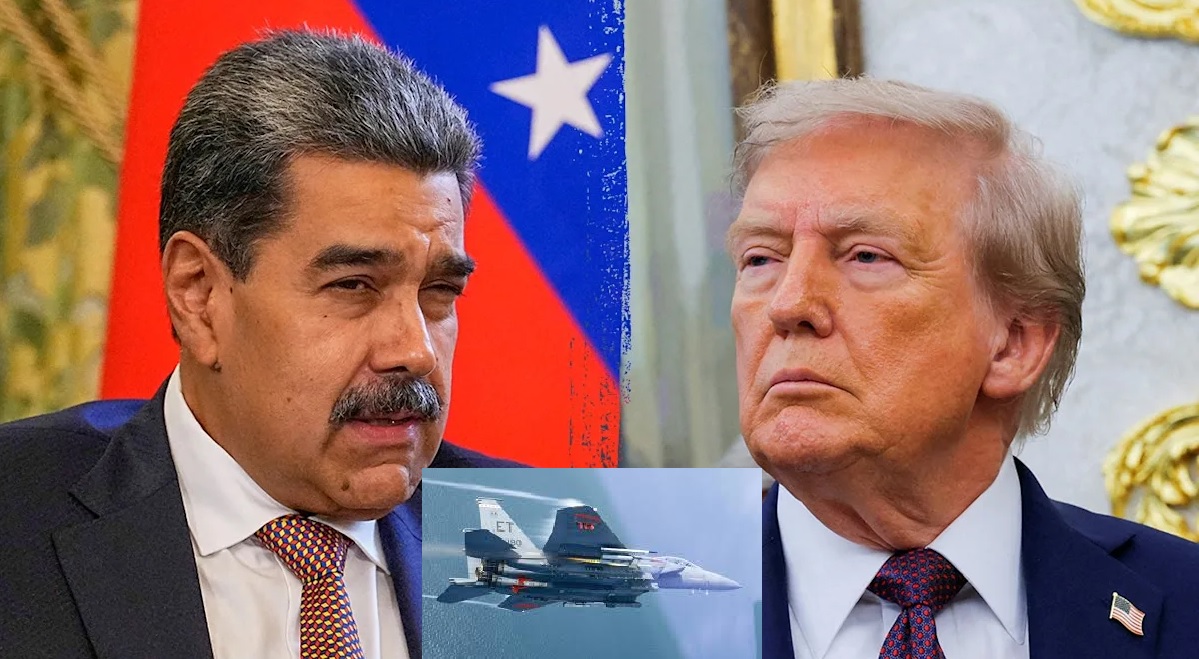
Washington, Sept 5, 2025 — Tensions between the United States and Venezuela escalated sharply this week following a dramatic aerial incident in international waters. On Thursday, two Venezuelan F-16 fighter jets flew dangerously close to the U.S. Navy destroyer USS Jason Dunham, a maneuver the Pentagon denounced as a “highly provocative move” designed to disrupt ongoing U.S. counter–narco-terrorism operations.
In an official statement, the Pentagon warned the Maduro regime that any further attempts “to obstruct, deter or interfere with counter-narcotics and counter-terror operations carried out by the U.S. military” would not be tolerated.
Background: Expanding U.S. Narco-Terror Strategy
The incident comes on the heels of a major U.S. strike earlier this week in the southern Caribbean. U.S. Marines targeted a vessel linked to the Venezuelan gang Tren de Aragua, killing 11 individuals identified as cartel operatives. The White House released video footage of the strike, presenting it as evidence of a stronger, more aggressive anti-narcotics campaign.
This marks a significant shift in U.S. counter-narcotics strategy, moving away from interdictions and seizures toward the direct use of lethal military force against traffickers labeled as terrorists.
Military Escalation in the Caribbean
The U.S. has expanded its naval presence in the region with at least eight warships, including guided-missile destroyers, now deployed near Venezuelan waters. Thousands of sailors and Marines are engaged in operations, backed by aerial patrols.
In a further escalation, 10 F-35 stealth fighters have been deployed to Puerto Rico to reinforce air dominance and deter hostile actions by Venezuelan forces or cartel-linked aircraft.
The administration has also moved to formally designate both Tren de Aragua and the Cartel de los Soles as foreign terrorist organizations. Meanwhile, the U.S. State Department has increased its reward for information leading to the arrest of Venezuelan President Nicolás Maduro to $50 million, labeling him an “indicted drug trafficker” and a “fugitive of American justice.”
Venezuela’s Response
President Maduro has denounced U.S. actions as “imperialist aggression” and vowed to defend Venezuela’s sovereignty. He announced the mobilization of millions of civilian militia members alongside regular armed forces, framing the crisis as a defense of national dignity against foreign intervention.
Legal and Political Debate in Washington
The strike against the suspected cartel vessel has ignited legal and political debate in the U.S. Lawmakers and constitutional experts are questioning whether the president has the authority to order lethal military operations against narcotics traffickers in international waters without congressional approval.
Critics argue that there was no clear imminent threat to justify such an action, raising concerns that the administration may be bypassing established legal frameworks and escalating the risk of direct conflict with Venezuela.
The Venezuelan jet flyover represents more than just a military provocation — it underscores the fragile balance in the Caribbean as Washington intensifies its war on narco-terror groups while directly confronting the Maduro regime. With warships, fighter jets, and militias now mobilized, the standoff risks spiraling into a broader regional crisis.
✍️ This article is written by the team of The Defense News.