Pakistan’s Stealth Panic: J-35 Rush, J-10C Regret, and China’s Failing Defense Credibility
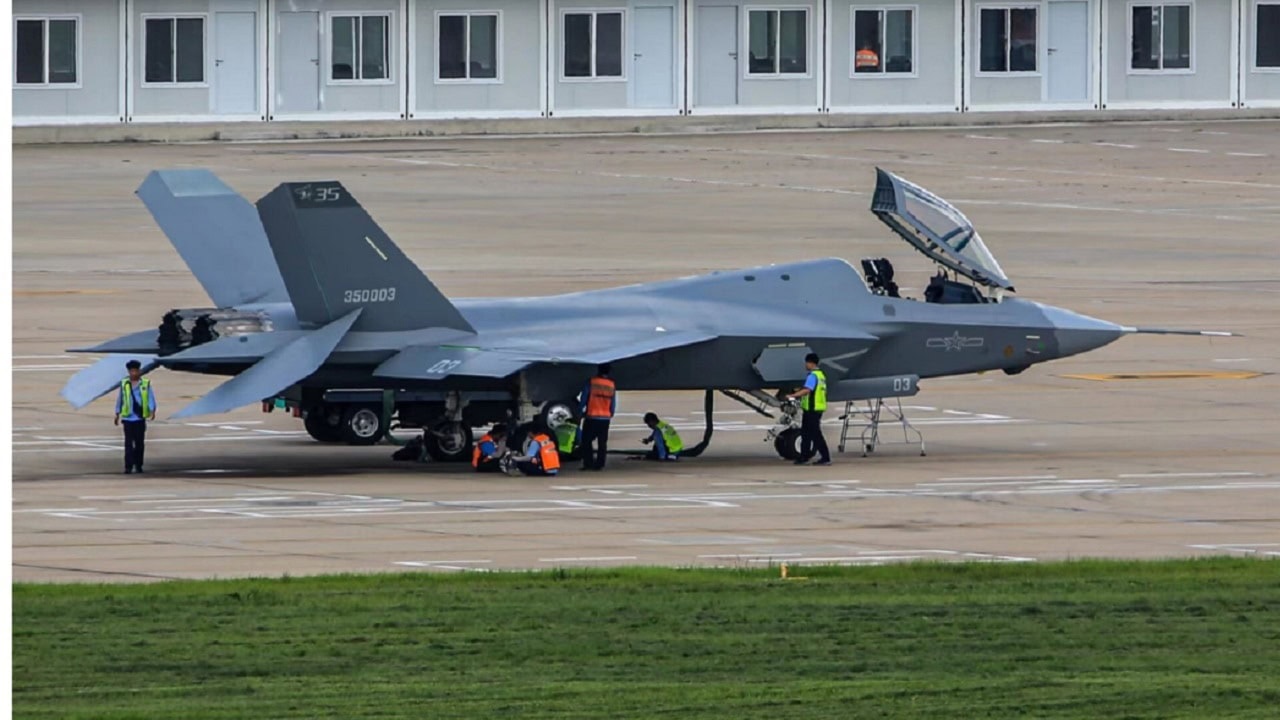
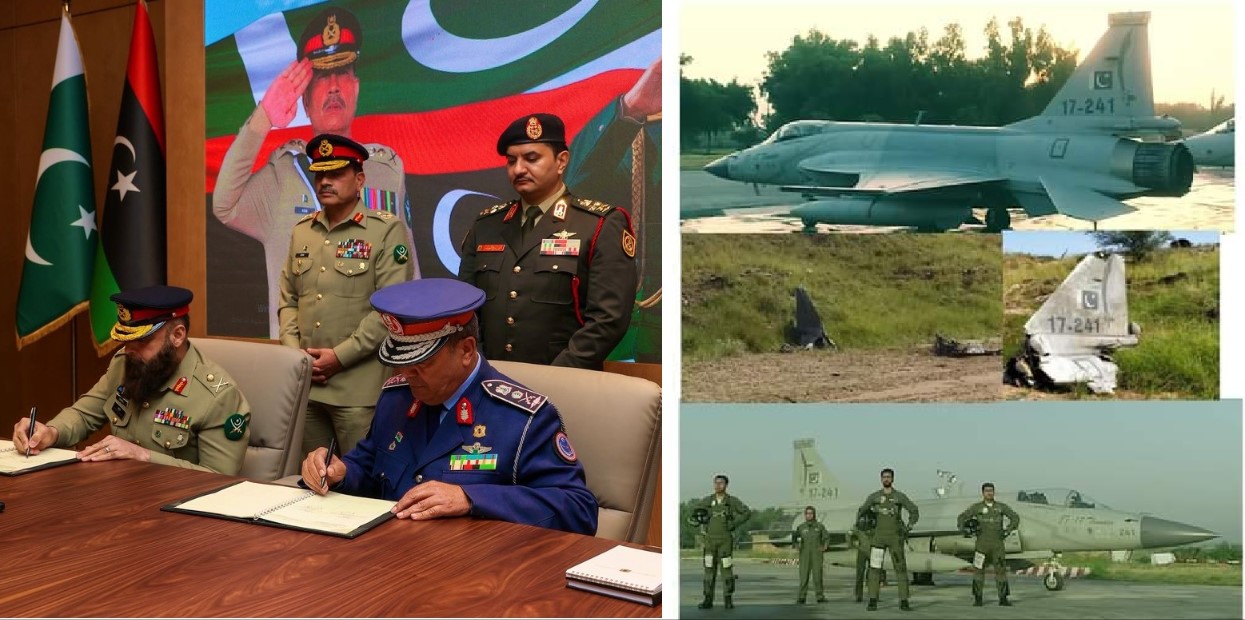
In a telling move that signals both strategic desperation and technological dissatisfaction, Pakistan is pushing hard to induct China’s fifth-generation J-35 stealth fighter — barely three years after introducing the J-10C into its fleet in March 2022. The haste with which Islamabad is trying to secure the J-35, despite already committing billions to the J-10C, reflects a growing disillusionment with the latter’s combat potential, especially under high-threat scenarios such as Indian air superiority operations or missile strikes.
The J-10C, touted by Chinese media as a “4.5-generation game-changer,” was inducted amid fanfare, with claims that it would counter India’s Rafales. But the reality has proved otherwise. During Operation Sindoor — India’s multi-pronged, precision strike campaign — Indian Air Force assets, including Su-30MKIs and possibly Rafales, executed standoff missile strikes deep into Pakistani territory. Chinese-supplied radar and air defense systems, including HQ-9/P batteries and JL-3D-90A radars, failed to detect or respond effectively. Not a single Indian missile or aircraft was intercepted.
This operational failure has rattled Rawalpindi. Internal assessments, reportedly submitted to Pakistan’s Ministry of Defence and the Air Headquarters, revealed that Chinese sensor-fusion and radar systems performed poorly under electronic warfare environments. This is particularly alarming as India is known to possess advanced jamming platforms like the DRDO-developed "Himshakti" and Israeli-origin EW pods on Mirage and Su-30 fleets.
In response, Pakistan has reached out to the United States, Turkey, and even Germany to procure advanced air defense systems. This includes fresh interest in Lockheed Martin’s NASAMS, the Turkish HISAR-O+, and potential radar acquisitions from Hensoldt of Germany. These overtures represent not just a diversification of suppliers but a significant loss of confidence in Chinese defense technology — a telling irony for a country that for years prided itself on its “iron brotherhood” with Beijing.
Meanwhile, the Chinese J-35 — still under development for the PLA Navy — has yet to be proven in real combat or even enter serial production. By courting the J-35 now, Pakistan seems to be making a desperate gamble to leapfrog its current limitations. However, integrating a fifth-generation platform into a force that still largely relies on JF-17s — themselves plagued by engine and software issues — is a massive challenge. Questions remain about interoperability, sustainment, training pipelines, and data-link compatibility with existing systems.
Experts also point to a deeper doctrinal crisis within the Pakistan Air Force (PAF). The move from JF-17 to J-10C and now to J-35 in such rapid succession reflects reactive, not strategic, thinking. In contrast, India’s Air Force is undergoing structured modernization, backed by indigenous programs like the LCA Tejas Mk1A, the upcoming AMCA stealth jet, and Next - Gen EW and missile upgrades.
Moreover, China's inability to protect even its own drones — several Wing Loong and CH-4 UAVs used by Pakistan were reportedly neutralized or jammed during Indian strikes — raises concerns about the real-world viability of its next-generation platforms. If Beijing’s current generation of jets and systems cannot defend Pakistan in a regional conflict, the premise of J-35 superiority becomes speculative at best.
In conclusion, Pakistan’s urgent pivot to the Chinese J-35, amid a simultaneous hunt for non-Chinese air defense systems, reveals a two-fold crisis: growing doubts about Chinese military tech and a strategic vacuum within Pakistan’s defense planning. For a country locked in a long-term rivalry with India, betting on under-tested platforms from a faltering supplier may offer temporary prestige — but not lasting security.
✍️ This article is written by the team of The Defense News.