Pakistan's 2024-25 Budget Raises Concerns with Zero Allocation for Religious Minorities

Pakistan's federal budget for 2024-25 has sparked criticism for excluding any funding for the welfare of religious minority communities, raising concerns about the government's commitment to inclusivity.
Pakistan's newly released federal budget for 2024-25 has completely excluded any financial support for the welfare of religious minority communities, a stark contrast to the previous year’s allocation of 100 million Pakistani rupees (approximately $350,000 USD). This decision has been met with disappointment and concern from minority leaders and human rights advocates.
Budget Priorities and Concerns
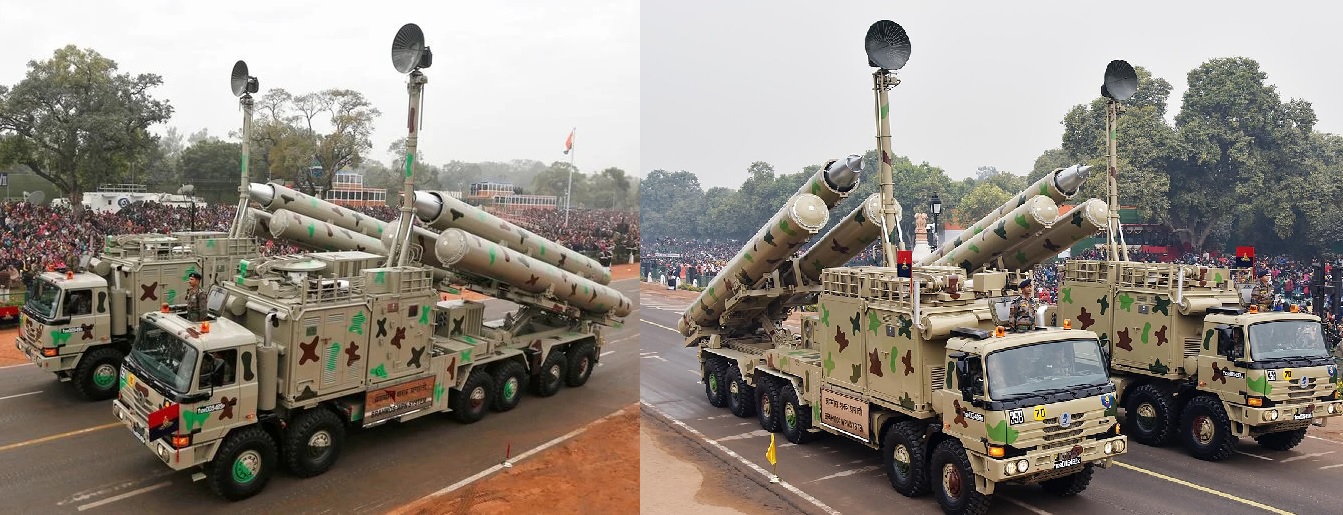
The 2024-25 budget, totaling 18.87 trillion rupees ($68 billion USD), significantly increases defense spending by 17% compared to the previous year. However, the budget has drawn criticism for its complete omission of funds dedicated to the welfare of religious minorities, including Christians, Hindus, Sikhs, and others, who constitute less than 5% of Pakistan's population.
Although the budget includes an increased allocation of 1,861 million rupees for the Ministry of Religious Affairs and Interfaith Harmony, this is primarily for covering the expenses of Hajj pilgrims. The lack of targeted funds for minority welfare has raised serious questions about the government's commitment to inclusivity and equal treatment of all its citizens.
Impact on Minority Communities
Leaders from minority communities have highlighted the potential negative impacts of this decision, particularly on vulnerable groups such as students who depend on scholarships and financial aid for their education and religious activities. The absence of government support could further exacerbate existing challenges faced by religious minorities, such as limited access to education and employment opportunities.
Historical Context and Advocacy
Pakistan's history of dealing with minority affairs has been complex, with the establishment and dismantling of ministries dedicated to minority issues reflecting this contentious relationship. Despite constitutional guarantees of equal rights for all citizens, religious minorities in Pakistan continue to face significant discrimination and marginalization.
Minority leaders and human rights organizations are urging the government to reconsider and reinstate funding for minority welfare. They argue that such support is essential for promoting social cohesion, protecting the rights of minorities, and ensuring their full participation in society.
Educational Disparities
Open-source data reveals that the literacy rate among religious minorities in Pakistan is considerably lower than the national average. For instance, only 34% of Christians are literate, and even fewer pursue higher education. This disparity highlights the urgent need for targeted educational initiatives and financial support within minority communities.
Call to Action
Advocates are calling on the Pakistani government to address this issue by reinstating funding for religious minority welfare in the federal budget. They emphasize that such measures are crucial not only for the well-being of minority communities but also for the broader goal of fostering an inclusive and equitable society.
By reinstating these funds, the government can demonstrate a genuine commitment to upholding the rights and dignity of all its citizens, regardless of their religious affiliation.
✍️ This article is written by the team of The Defense News.