Pakistani Court Admits Journalist Ahmed Farhad Shah Detained in PoK, Sparks Jurisdiction Debate
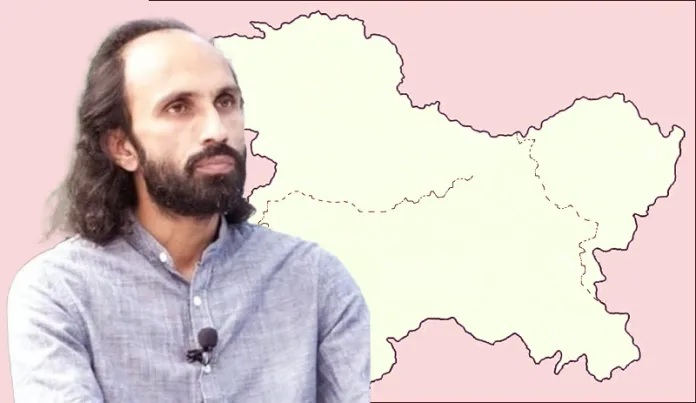
Missing journalist Ahmed Farhad Shah is confirmed to be in police custody in Pakistan-Occupied Kashmir, raising questions about jurisdiction and legal practices.
In a startling development, the Pakistani government has acknowledged that missing Kashmiri poet and journalist Ahmed Farhad Shah is currently detained by police in Pakistan-Occupied Kashmir (PoK). This admission came during a session at the Islamabad High Court (IHC) on Friday.
Farhad, who disappeared two weeks ago from his home in Rawalpindi, was found to have two police cases against him in PoK. The government's lawyer informed IHC Judge Mohsin Akhter Kiani that Farhad is on "foreign land" and thus cannot be presented in court since PoK does not fall under Pakistan's direct jurisdiction.
Legal Proceedings and Family Struggles
Farhad's lawyer, Imaan Mazaari, highlighted that the Additional Attorney General confirmed Farhad’s presence in PoK, claiming that this area operates with its own separate legal and judicial systems. Farhad’s family, seeking his return, has faced numerous challenges. They were initially misled about his location, being directed to different police stations in PoK without success.
During earlier hearings, Judge Kiani had criticized Pakistan’s intelligence agencies for their alleged involvement in forced disappearances. Farhad’s case has brought renewed attention to these practices, with many questioning the transparency and accountability of the country’s security institutions.
Analyst's Critique and Family's Plight
Senior political analyst Hamid Mir has openly criticized the intelligence agencies, suggesting that the law is being manipulated to protect institutional interests. Mir pointed out discrepancies in the information provided to Farhad's family and the court, indicating potential misconduct by officials.
Mazaari also expressed grave concerns about Farhad’s health, noting that he appeared significantly weakened and unable to speak fluently during a recent family visit. She emphasized the urgent need for medical attention and called for an end to what she termed an "open and blatant abuse of the law."
Broader Implications and Public Response
This case has broader implications for the ongoing debate over Kashmir. Mir's comments on the involvement of Pakistan Rangers in PoK during anti-inflation protests have further fueled discussions about the region's autonomy and the reach of Pakistani law enforcement.
Farhad’s case has not only highlighted the personal plight of his family but also the systemic issues within Pakistan's handling of detainees and jurisdictional boundaries in PoK. The acknowledgment of PoK as a "foreign land" by Pakistani officials adds another layer of complexity to the already sensitive Kashmir issue.
Conclusion
The Islamabad High Court continues to scrutinize the circumstances surrounding Farhad's detention. His family and supporters are calling for his immediate release and return. This case underscores the urgent need for transparency and accountability within Pakistan’s legal and intelligence frameworks, especially concerning matters involving cross-jurisdictional detentions.
For further updates on Ahmed Farhad Shah’s case, monitoring the proceedings at the Islamabad High Court and statements from his legal team will be crucial. The international community's reaction to this case might also influence the handling and resolution of such issues in the future.
✍️ This article is written by the team of The Defense News.