Pakistan Government Empowers ISI to Intercept Calls for National Security
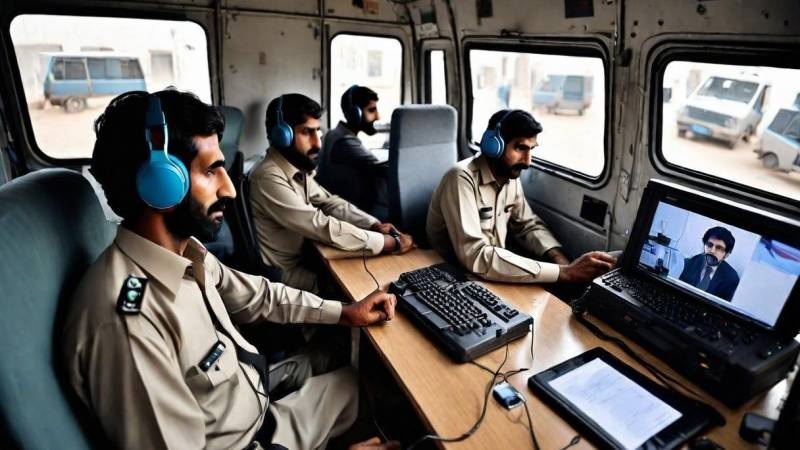
The Pakistan government has formally authorized the Inter-Services Intelligence (ISI), the country’s premier spy agency, to intercept and trace citizens' calls as part of a national security measure. This decision was communicated through a notification issued by the Ministry of Information Technology and Telecommunication, grounded in the Pakistan Telecommunication (Re-organisation) Act, 1996.
The notification, invoking Section 54 of the Act, allows the federal government, in the interest of national security and in the anticipation of any offense, to authorize ISI officers, specifically those of grade 18 and above, to intercept and trace communications. This authority enables the ISI to monitor calls and messages through any telecommunication system, ensuring that national security and defense interests are prioritized over any licensee within the telecommunications system.
This move by the government, led by Prime Minister Shehbaz Sharif, appears to be part of a broader strategy to control and monitor information flow, especially through social media platforms. The opposition party, Pakistan Tehreek-e-Insaf (PTI), has been effectively utilizing social media to reach its supporters despite restrictions on traditional media. In response, the government has been implementing stricter regulations to curb this influence.
Earlier in May, PM Shehbaz Sharif approved a draft amendment to the Prevention of Electronic Crimes Act (PECA) 2016, proposing the establishment of a Digital Rights Protection Authority. Additionally, the government is working on installing a national firewall across various internet service providers (ISPs) to filter and block unwanted content. This step is part of a larger initiative to tighten control over online information and social media activities.
One notable example of the government's increasing control is the blocking of the social media platform X (formerly Twitter), which has been inaccessible since February. The government defended this action in a recent hearing at the Sindh High Court, highlighting its stance on regulating digital content for national security purposes.
The decision to empower the ISI with these surveillance capabilities has sparked criticism and concern among opposition leaders. PTI leader Omar Ayub Khan warned that such measures could backfire, implying that future governments might use the same tactics against the current administration's allies. He emphasized that those implementing these measures now might find themselves subjected to similar scrutiny once they are out of power.
This latest development underscores the government's intent to exert more control over communication channels in Pakistan, balancing national security interests with the potential risks of infringing on citizens' privacy and freedom of expression. As the situation evolves, the implications of these measures on Pakistan's political landscape and civil liberties will be closely watched.
✍️ This article is written by the team of The Defense News.