Pakistan Faces a $5 Billion Burden from Qatar LNG Deal
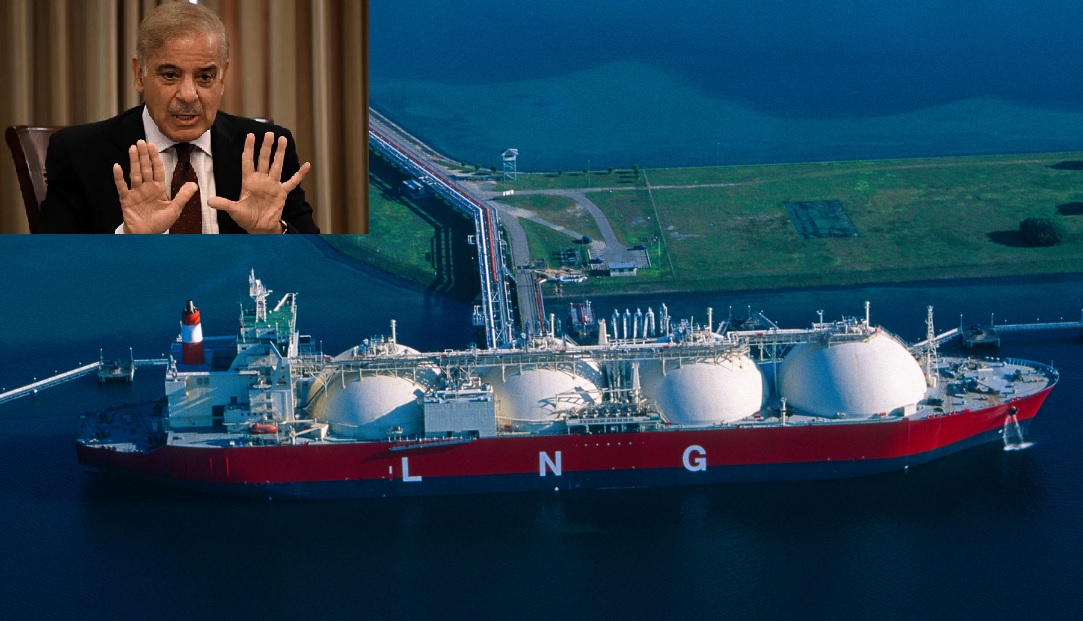
Pakistan is staring at a new economic challenge — a potential loss of around $5–5.6 billion due to its long-term liquefied natural gas (LNG) agreement with Qatar. The contract, signed in 2015 and extended in 2021, was designed to secure Pakistan’s energy supply for 15 years. However, the “take-or-pay” clauses in the deal are now becoming a massive financial strain as the country finds itself with more LNG than it actually needs.
The Agreement and Its Clause
The Qatar deal requires Pakistan to purchase a fixed number of LNG cargoes every year. If Pakistan chooses not to take delivery, it still has to pay the contracted amount. In simple terms, even if the gas is not used, Pakistan must pay for it. At the time of signing, this clause ensured supply security during shortages, but in the current situation, it has turned into a burden.
Why Pakistan Has a Surplus
Several reasons have led to a mismatch between supply and demand:
-
Declining LNG demand in power plants: High electricity tariffs and the growth of renewable energy have reduced the use of gas-based power generation.
-
Extra import capacity: Pakistan expanded its LNG import infrastructure, but consumption has not kept pace with the increased availability.
-
Storage limitations: Without enough storage capacity, excess LNG cargoes cannot be stockpiled for later use.
This has resulted in dozens of extra cargoes being left without buyers in the domestic market, creating a liability that Pakistan must still pay for under the contract.
The $5 Billion Burden
Energy analysts estimate that over the coming years, Pakistan may end up paying between $5 and $5.6 billion for surplus LNG cargoes it cannot consume. This figure is based on projected unused cargoes over the remaining duration of the contracts. In the context of Pakistan’s fragile economy, struggling with foreign exchange reserves and fiscal deficits, this amount represents a huge strain.
Limited Options for Islamabad
Pakistan has only a few ways to manage this situation:
-
Requesting deferments: In the past, Qatar has allowed Pakistan to defer a few cargoes without penalty. Islamabad may again push for rescheduling or deferring more shipments.
-
Renegotiation: Pakistan can attempt to renegotiate the contract terms, though this is difficult and requires Qatar’s consent.
-
Re-selling cargoes: Reselling LNG to other buyers could be a partial solution, but resale restrictions in the contract and logistical hurdles make this challenging.
-
Absorbing the cost: If none of the above works, the government may simply have to bear the payments, worsening its financial woes.
Economic and Political Impact
With Pakistan’s economy already under pressure from inflation, high debt, and a weak currency, an additional multibillion-dollar liability could deepen the crisis. Any attempt to recover the cost through higher tariffs would be politically unpopular, while taking on more debt would further strain relations with international lenders like the IMF.
What was once hailed as a strategic deal to secure Pakistan’s energy future has now become a double-edged sword. The “take-or-pay” clause is forcing Islamabad into a corner — pay for unused gas or risk breaching a sovereign-level agreement. Unless renegotiations succeed, Pakistan could be stuck with an enormous bill of $5 billion or more, adding yet another layer to its already troubled economy.
✍️ This article is written by the team of The Defense News.