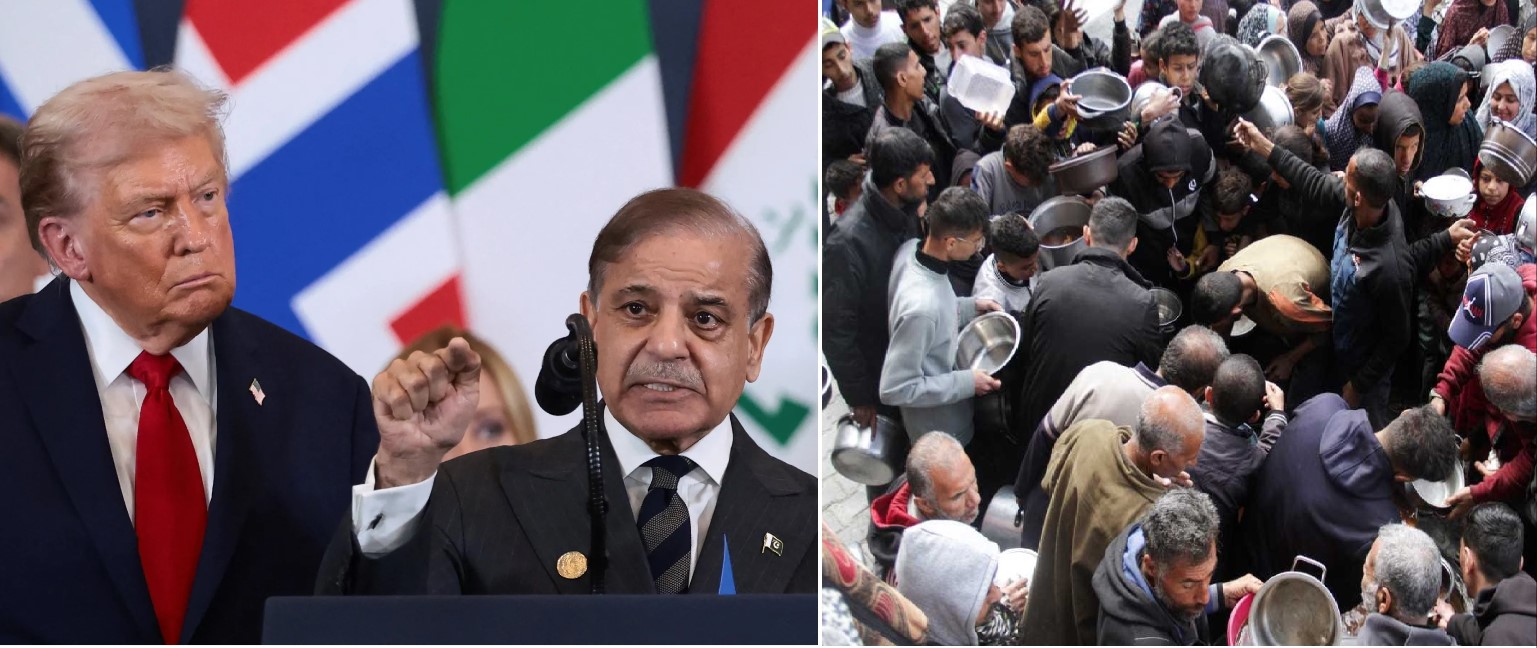
Pakistan Army to Deploy Troops to Gaza by January 2026 Under Trump–Munir Deal, $500 Per Soldier
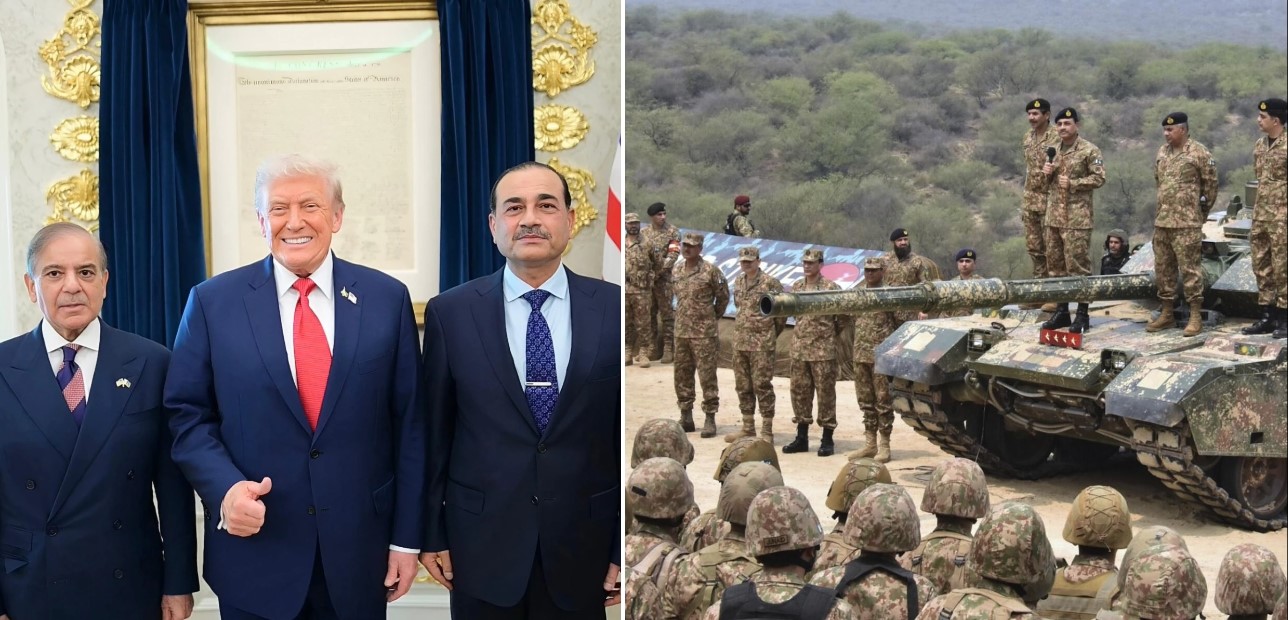
The Pakistan Army is set to deploy troops to Gaza under an agreement reached on June 18, 2025, between US President Donald Trump and Pakistan Army Chief Asim Munir, according to diplomatic and security sources cited by regional media. The reported arrangement places Pakistan at the centre of a US-backed post-war stabilisation plan and has triggered regional and domestic backlash.
Sources claim the agreement provides for the deployment of an initial contingent of 1,500 Pakistani soldiers by January 2026, with the possibility of expanding the force to 10,000 troops in later phases. Under the reported terms, each soldier would receive a $500 monthly salary, allegedly funded jointly by Israel ($300) and the United States ($200).
The deployment is described as part of a broader effort to create a foreign-led stabilisation force in Gaza once major combat operations subside, allowing Washington to maintain its position of no American boots on the ground.
Qatar Talks Finalised Financial Terms
According to sources familiar with the discussions, senior Pakistan Army generals held closed-door meetings with US officials in Qatar in November to finalise the financial and operational framework of the deployment.
Pakistan reportedly initially demanded $10,000 per soldier for a large-scale force. US and Israeli negotiators allegedly rejected the figure and countered with a sharply lower offer. After intense bargaining, the sides are said to have settled on a $500 per soldier compromise rate for a proposed deployment of up to 10,000 troops. Sources described the negotiations as transactional, with money emerging as the decisive factor.
Why Pakistan Was Chosen
Officials briefed on the plan say Washington views Pakistan as a suitable partner due to its large, battle-experienced army, its Muslim-majority profile, and its long history of overseas military deployments. These factors are seen as providing political cover for a Western-backed mission in Gaza.
Under the reported plan, Pakistani troops would be tasked with securing key zones, managing checkpoints, and neutralising remaining militant elements, while avoiding direct US military involvement.
A Familiar Pattern, Critics Say
The reported Gaza agreement has revived accusations that Pakistan’s military routinely deploys troops abroad in exchange for financial and political returns. Analysts argue the claims fit a long-standing pattern of foreign military engagements linked to aid, loans, and strategic favours.
Critics frequently point to the 1970 Black September crisis in Jordan, when Pakistani officers supported the Jordanian monarchy against Palestinian factions. Historical accounts accuse Pakistani-led units of participating in operations that killed thousands of Palestinians. For many observers, the Gaza plan echoes that episode, reinforcing allegations that Pakistan’s military has previously acted against fellow Muslims at the request of foreign powers.
Gulf Deployments and Financial Incentives
Pakistan’s decades-long military presence in Saudi Arabia and other Gulf states is also cited as precedent. Pakistani troops have long been stationed to protect royal families, train local forces, and guard sensitive installations, deployments that have coincided with billions of dollars in aid, oil concessions, loans, and defence contracts flowing into Pakistan.
Opponents argue these missions demonstrate how foreign troop deployments have become an institutional revenue stream for the military.
Scrutiny of Military Wealth
The Gaza deployment claims have again drawn attention to the wealth and influence of Pakistan’s military elite. Opposition politicians and analysts often describe Pakistan’s generals as among the richest in the world, overseeing vast business empires and real-estate networks, even as the country faces economic crisis, inflation, and debt.
They argue that overseas military missions primarily benefit the institution, while ordinary soldiers bear the risks and the public sees little return.
Regional and Domestic Fallout
Across the Middle East, commentators have accused Islamabad of exploiting the Gaza tragedy for profit and betraying the Palestinian cause. Comparisons with Black September have resurfaced, with warnings that Pakistani troops could again be perceived as acting against fellow Muslims under foreign direction.
Within Pakistan, opposition voices say the reported June 18 agreement reinforces a long-held belief that the military leadership prioritises foreign financial deals over public accountability and national welfare.
As Gaza’s post-war future remains uncertain, the reported agreement between Washington and Pakistan’s military leadership has placed Islamabad under intense scrutiny. Whether the deployment proceeds as outlined or not, the episode has already reshaped regional perceptions and reignited debate over Pakistan’s role as a provider of paid military forces abroad.
✍️ This article is written by the team of The Defense News.