PM Modi Unveils “Rashtra Suraksha Kavach” and Sudarshan Chakra Mission to Shield Nation’s Heart and Strike Back at Enemies
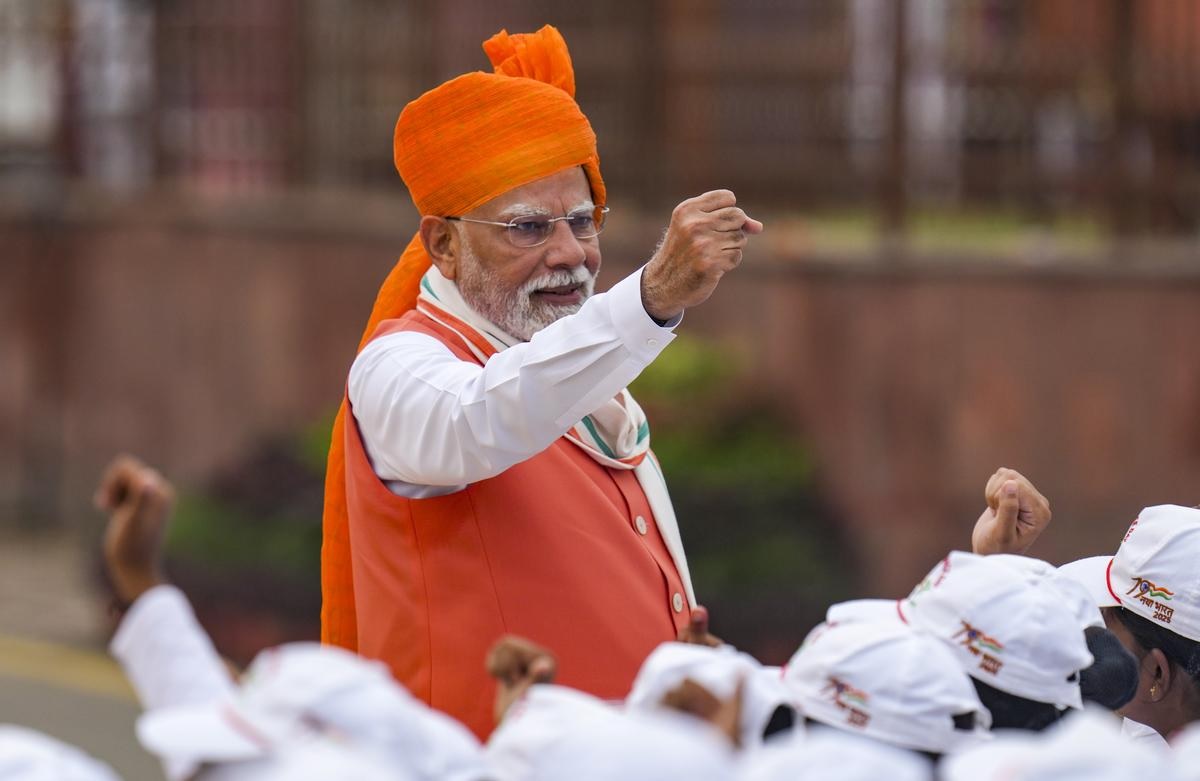
On this Independence Day, Prime Minister Narendra Modi made a high-impact announcement that blends India’s ancient heritage with cutting-edge defence technology. From the ramparts of the Red Fort, he declared the launch of the “Rashtra Suraksha Kavach” — a nationwide security shield — and the “Sudarshan Chakra Mission”, a fully indigenous air-defence system aimed at protecting both critical military and civilian infrastructure while delivering decisive counterstrikes against any hostile threat.
The Rashtra Suraksha Kavach will deploy advanced technology platforms to safeguard hospitals, religious sites, vital industries, and other sensitive national landmarks. It is not just a physical shield; it is a nationwide protective network built on emerging technologies, ensuring that from large cities to remote areas, every Indian feels secure. Modi set an ambitious goal — by 2035, the shield will be expanded, strengthened, and fully modernised, with all systems researched, developed, and manufactured in India.
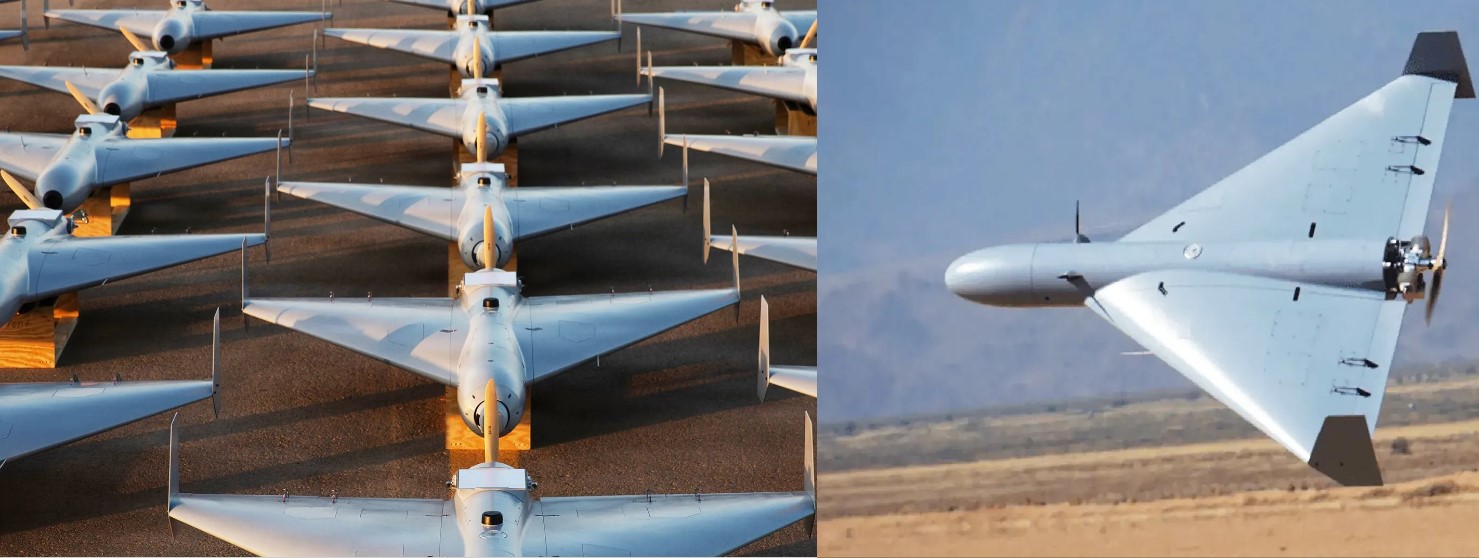
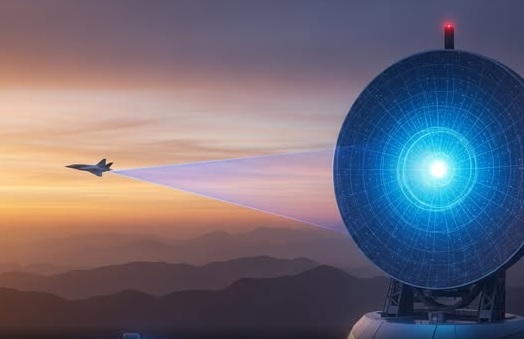
At the heart of this broader security push lies the Sudarshan Chakra Mission. Taking its name from Lord Krishna’s legendary celestial weapon, the system is expected to be a next-generation air defence shield comparable in concept to Israel’s Iron Dome — but built entirely in India, with indigenous innovations. Its purpose is twofold: to neutralise enemy missile or drone attacks before they can cause harm, and to launch precision counterstrikes that can cripple an adversary’s capabilities.
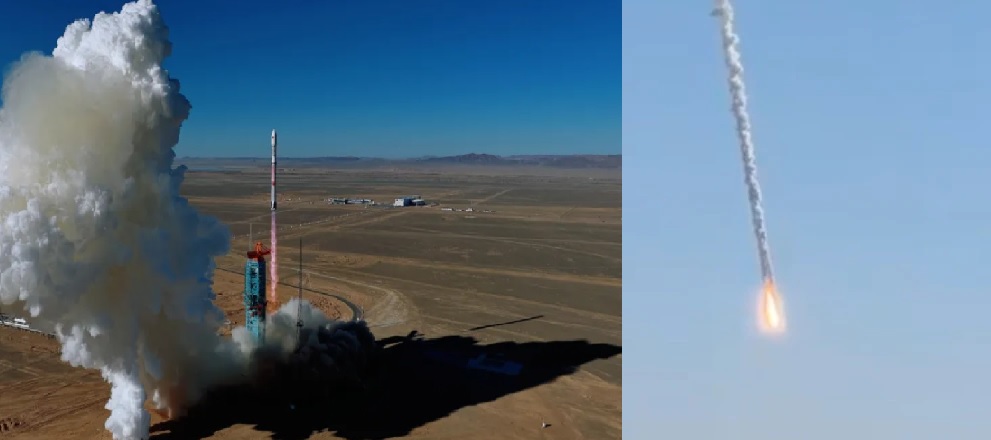
Modi’s announcement comes at a tense time. Reports have hinted at Pakistan’s military leadership threatening possible strikes on Indian infrastructure in any future conflict, even naming strategic targets like the Jamnagar oil refinery. Pakistan’s prime minister recently revealed plans to build a “rocket force” modelled on China’s example. Against this backdrop, the Sudarshan Chakra Mission sends a clear message — India is not only prepared to defend but also to respond with force.
Technically, the system will be integrated into India’s Integrated Air Command and Control System (IACCS) — a fully automated network that links radars, sensors, and weapon systems across the Army, Navy, and Air Force. This setup ensures real-time threat detection and allows seamless coordination to intercept hostile missiles, drones, or aircraft. In past operations, IACCS proved its worth by preventing Pakistani missile penetration for almost 100 hours during Operation Sindoor.
Sources suggest that the Sudarshan Chakra will go beyond just intercepting incoming threats. It will incorporate precision counterstrike weapons, electronic warfare systems, and even anti-cyber capabilities to neutralise digital threats before they can disrupt critical infrastructure. This multi-layered approach means India will be able to protect, retaliate, and deter, all within seconds of detecting an attack.
The project will bring together DRDO scientists, the armed forces, and private-sector innovators, ensuring that the technology is not only homegrown but also future-ready. It fits directly into the Aatmanirbhar Bharat vision of making India self-reliant in defence technology — a strategic move that reduces dependence on foreign systems and keeps sensitive capabilities within the country.
Beyond the technology, there is a psychological dimension. By invoking the name Sudarshan Chakra and keeping many of its specifications under wraps, India has created an air of mystery around its true capabilities. This uncertainty forces potential adversaries like Pakistan and China to second-guess what the system can do — and that very doubt acts as a deterrent.
In essence, the Rashtra Suraksha Kavach and Sudarshan Chakra Mission mark a major leap in India’s security posture. They promise not just to shield the nation’s vital arteries from harm, but to ensure that any attack is met with a swift, precise, and punishing response. From ancient legend to modern battlefield, India’s new defence shield is set to redefine the balance of power in the region — and keep its enemies constantly on edge.
✍️ This article is written by the team of The Defense News.