Over 150 U.S. THAAD Missiles Fired to Shield Israel During Iran Conflict
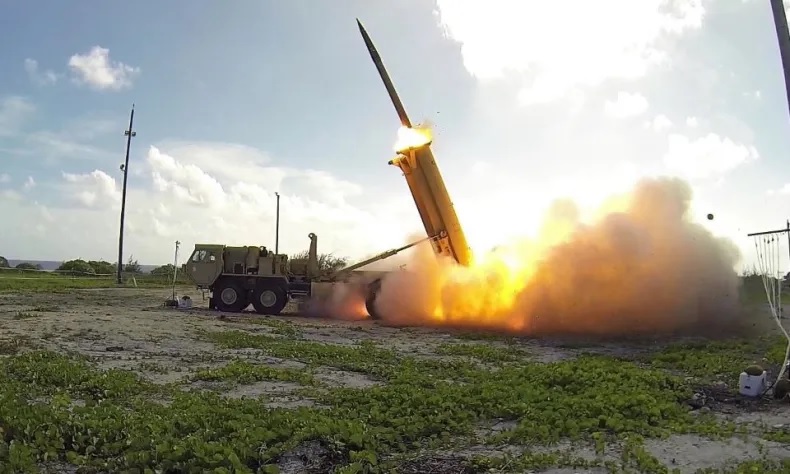
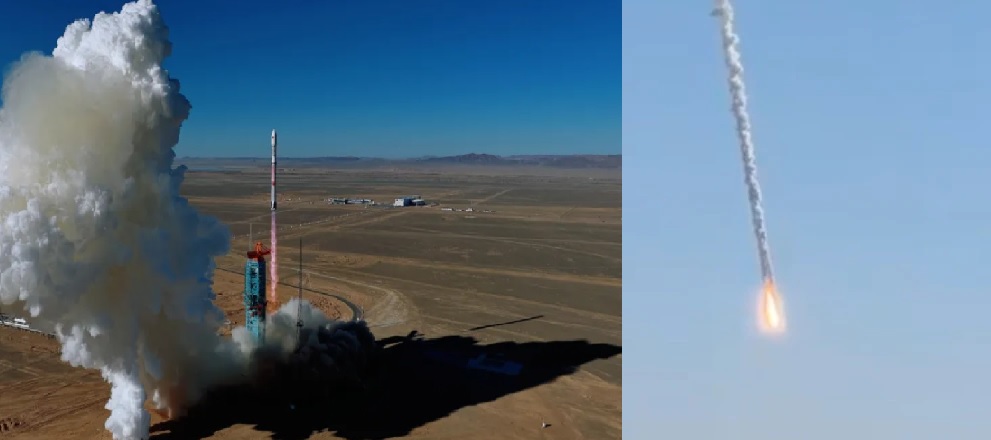
During the recent 12-day conflict between Israel and Iran, the United States’ advanced THAAD missile defense system played a major role in protecting Israeli airspace. More than 150 THAAD interceptor missiles were used during this period, marking one of the largest operational deployments of the system in recent years.
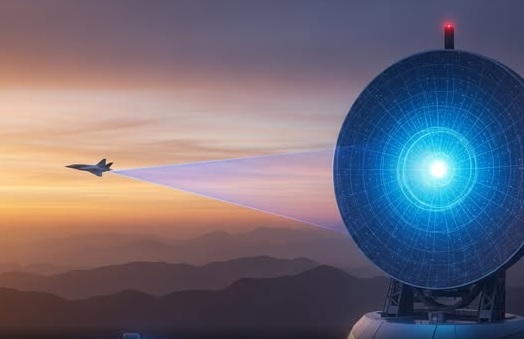
The Terminal High Altitude Area Defense (THAAD) system, made by Lockheed Martin, is designed to intercept ballistic missiles at high altitudes—typically in the final phase of their flight. Each THAAD battery includes 3 to 6 mobile launchers, radar systems, and fire control units. A single launcher can carry eight interceptor missiles.
Initially, Israel had one permanent U.S. THAAD battery on its soil. But during the conflict, a second THAAD battery was rushed in by Washington, a rare step considering the U.S. only operates eight such batteries globally. According to The Wall Street Journal, this move reflected the urgency and seriousness of the threat posed by Iran’s missile barrage.
The 150+ THAAD interceptors used in just under two weeks represent about 25% of the total U.S. stockpile of nearly 650 missiles acquired since 2010. Replacing these would be a long process. The Pentagon plans to procure only 37 more interceptors next year, which means it could take up to four years to replenish the spent missiles at current production rates.
Although Lockheed Martin has the ability to ramp up production to around 100 interceptors a year, this would require additional funding and time. Each interceptor comes with a hefty price tag—over $15 million per missile.
In addition to THAAD, American Navy warships in the region launched about 80 SM-3 interceptors to support Israel’s layered missile shield. On its part, Israel activated its indigenous Arrow (Hetz) missile defense systems, which were co-developed with the United States, to handle the bulk of the incoming threats.
Iran, in retaliation for earlier Israeli strikes, reportedly launched nearly 500 ballistic missiles toward Israel. Despite the sophisticated defenses, some Iranian missiles did penetrate, resulting in 29 Israeli deaths and over 100 injuries.
According to analysts, the rapid depletion of high-cost interceptors like THAAD was a key reason behind Israel’s decision to halt further military escalation. The strain on air defense inventories underlined how even advanced systems can face logistical and strategic limits during intense, prolonged missile warfare.
✍️ This article is written by the team of The Defense News.