Operation Sindoor Exposes China's YLC-8E Radar Failure
On May 7, 2025, the Indian Air Force (IAF) launched Operation Sindoor, a decisive retaliatory operation targeting terrorist infrastructure and military assets in Pakistan following a deadly terrorist attack in Pahalgam, Jammu and Kashmir, on April 22, 2025, which claimed 26 lives. A significant outcome of this operation was the destruction of Pakistan’s Chinese-supplied YLC-8E anti-stealth radar at the Chunian Air Base in central Punjab, casting serious doubts on the radar’s effectiveness and China’s reputation as a reliable arms supplier.
The YLC-8E: China’s Flagship Anti-Stealth Radar
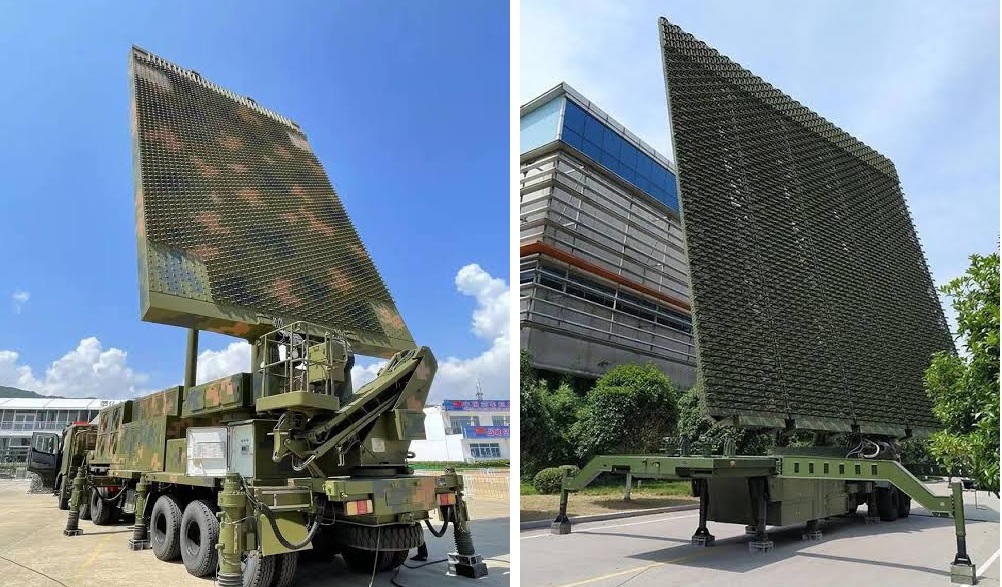
The YLC-8E, developed by China’s state-owned China Electronics Technology Group Corporation (CETC), is a UHF-band, three-dimensional surveillance radar marketed as a cutting-edge system capable of detecting stealth aircraft like the U.S. F-22 Raptor and F-35 Lightning II at ranges exceeding 500 kilometers. With an antenna the size of two badminton courts and advanced signal processing, it was designed to counter modern stealth technology and track missile threats up to 700 kilometers. Transferred to Pakistan from the People’s Liberation Army in 2023, the radar was a cornerstone of Pakistan’s Comprehensive Layered Integrated Air Defence (CLIAD) system, intended to counter India’s advanced aircraft, such as the Rafale, and long-range munitions like the BrahMos cruise missile.
Priced at an estimated $50–100 million per unit, the YLC-8E is a costly investment, reflecting Pakistan’s heavy reliance on Chinese military hardware, which accounts for 82% of its defense imports. Chinese state media had touted the radar as a “flagship” of stealth detection technology, superior to international competitors due to its active phase-controlled array and anti-jamming features.
Operation Sindoor: A Blow to Pakistan’s Air Defense
During Operation Sindoor, the IAF executed precision strikes using air-launched cruise missiles, likely BrahMos, to neutralize key Pakistani military installations, including the YLC-8E radar at Chunian Air Base, located 70 kilometers south of Lahore. The radar’s destruction, confirmed by satellite imagery and Indian military briefings on May 10, 2025, significantly disrupted Pakistan’s early warning and airspace monitoring capabilities in central Punjab. This strike was part of a broader Indian strategy of Suppression of Enemy Air Defences (SEAD), targeting radar installations, command centers, and weapon storage sites across eight Pakistani bases, including Rafiqui, Murid, and Sukkur.
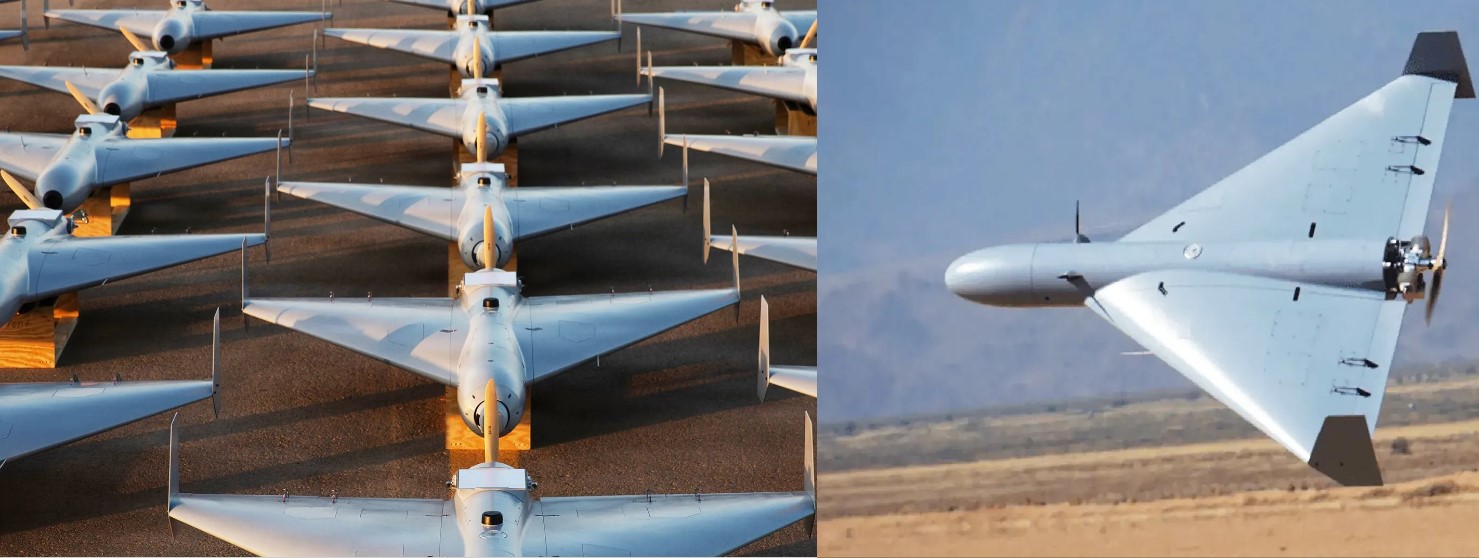
The YLC-8E’s failure to detect or counter Indian drones and missiles exposed critical vulnerabilities. Indian forces, leveraging their ELM-2090U Ultra UHF radars, electronic warfare systems, and real-time intelligence, bypassed Pakistan’s air defense network, including the Chinese-made HQ-9 system, in just 23 minutes. The operation highlighted the radar’s inability to detect Indian drones, despite its claims of tracking advanced stealth aircraft like the F-22 and F-35. This failure suggests that the YLC-8E’s capabilities were overhyped, relying more on media promotion than proven combat effectiveness.
Broader Implications for Chinese Military Technology
The destruction of the YLC-8E radar is not an isolated incident but part of a pattern of underperformance by Chinese-supplied systems during Operation Sindoor. Pakistan deployed various Chinese-origin equipment, including J-10C and JF-17 Block III fighter jets, PL-15 air-to-air missiles, CM-400AKG air-to-surface missiles, and Wing Loong-II drones armed with AR-1 missiles. These systems consistently failed to counter Indian operations. For instance, PL-15 missiles malfunctioned mid-flight, and Indian air defenses neutralized Chinese drones and missiles with ease. The Indian military even displayed fragments of a PL-15 missile that landed in Hoshiarpur without hitting its target, further discrediting Chinese claims of superiority.
Analysts have pointed to systemic issues in Chinese military technology, including defective components, poor quality control, and inadequate after-sales support. Previous instances of faulty Chinese equipment, such as frigates for the Pakistan Navy and fighter jets for Nigeria and Myanmar, underscore a recurring problem. The failures in Operation Sindoor have damaged China’s reputation as a global arms exporter, with some Chinese nationals attributing the shortcomings to Pakistan’s inadequate training and operational inefficiencies rather than flaws in the equipment itself.
Strategic and Economic Fallout
The loss of the YLC-8E radar represents a strategic setback for Pakistan, weakening its ability to monitor and respond to aerial threats along its eastern border. For China, the incident has broader implications, as it undermines confidence in its defense exports at a time when it seeks to compete with Western and Russian suppliers. The operation also showcased India’s growing defense capabilities, with its Integrated Air Command and Control System (IACCS) and indigenous Akashteer system enabling rapid, coordinated responses. India’s mix of homegrown and Western technology outperformed Chinese systems, highlighting a credibility gap that could impact China’s arms market share, which had already been declining due to quality concerns.
Social media reactions reflect mixed sentiments. Some Chinese netizens criticized Pakistan’s handling of their equipment, while Indian observers celebrated the operation as proof of their military’s technological edge. Posts on X echoed this sentiment, with users noting the “utter poor performance” of Chinese systems, including the YLC-8E, and questioning their reliability in real-world combat.
Operation Sindoor has exposed the YLC-8E radar as a costly but ineffective system, unable to live up to its anti-stealth claims against Indian drones and missiles. The operation not only demonstrated India’s military precision but also highlighted systemic flaws in Chinese defense technology, challenging its media-driven narrative of superiority. As India strengthens its indigenous defense capabilities, the failures of Chinese systems in Pakistan may shift the global arms market dynamics, favoring combat-proven alternatives.
✍️ This article is written by the team of The Defense News.