Northrop Grumman Launches Digitally Redesigned ICBM Target for US Missile Defense Tests
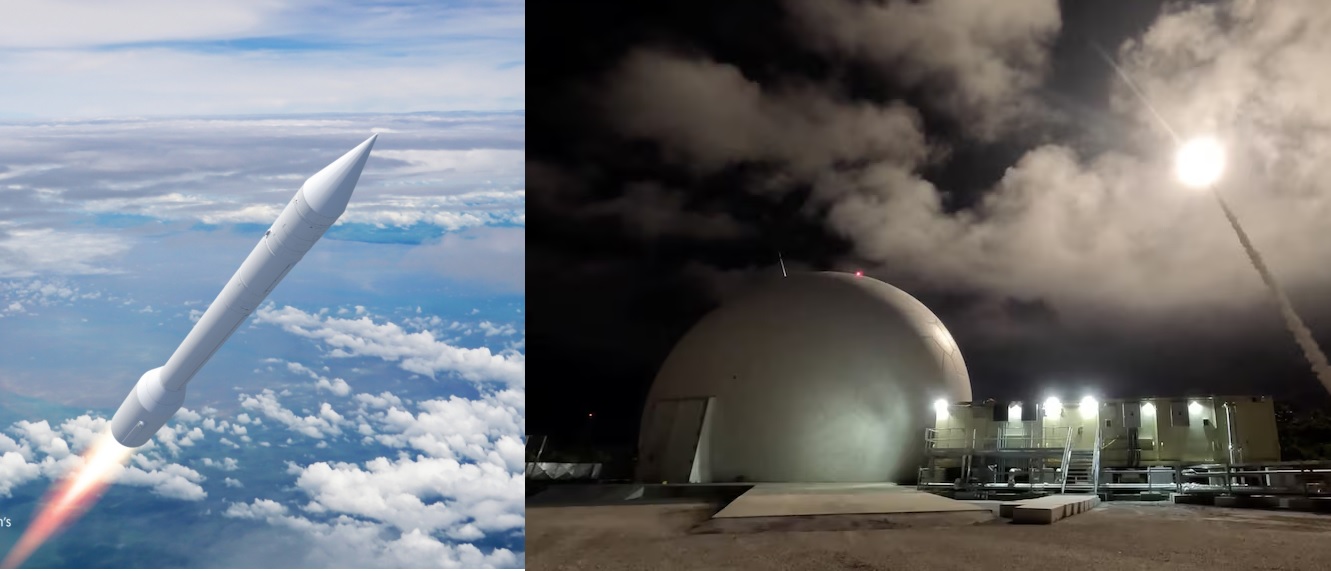
Washington : Northrop Grumman has successfully carried out the first launch of its digitally redesigned Intercontinental Ballistic Missile (ICBM) target vehicle, marking a major milestone in the modernization of US missile defense testing as Washington seeks to keep pace with increasingly advanced long-range threats.
The flight test marked the debut of the company’s latest ICBM target vehicle, developed to more accurately replicate the flight characteristics, trajectories and engagement conditions of modern ballistic missiles. Northrop Grumman said the test met all performance objectives, clearing the way for the target’s use in upcoming missile defense evaluations.
Use of Legacy Propulsion for Modern Testing
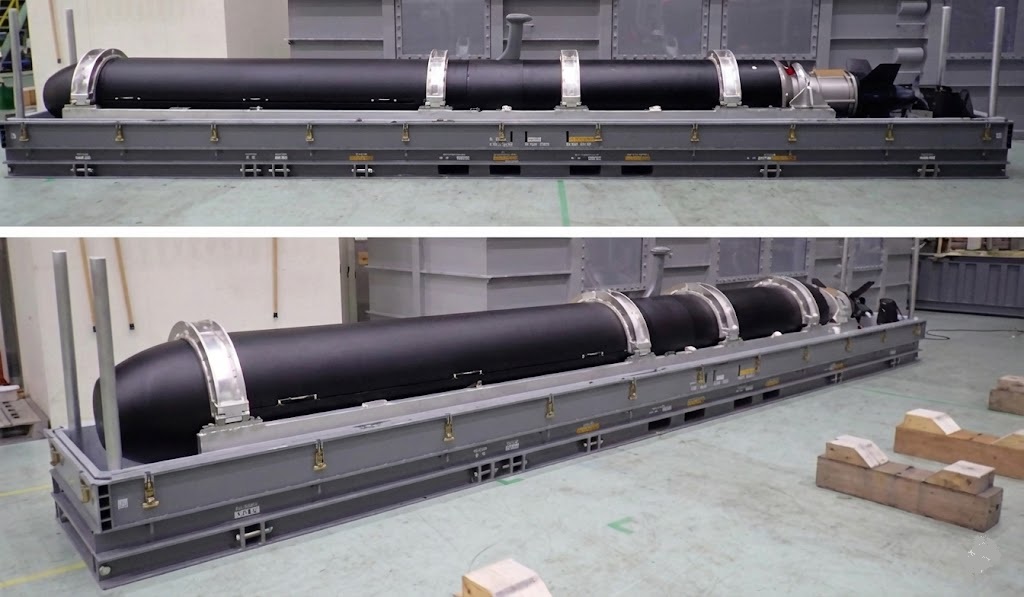
The launch made use of a decommissioned Peacekeeper ICBM second-stage motor supplied through the US Space Force’s Rocket Systems Launch Program. Once a core element of America’s Cold War nuclear deterrent, the Peacekeeper motor continues to serve a role in national security by providing reliable propulsion for missile defense test targets.
ICBM target vehicles are a critical component of the US missile defense enterprise. They are used by the Missile Defense Agency to validate systems designed to detect, track and intercept ballistic missiles, including Aegis Ballistic Missile Defense and the Ground-based Midcourse Defense (GMD) architecture. Realistic target behavior is essential to ensuring that sensors, command networks and interceptors perform as intended under operationally representative conditions.
Digital-First Redesign Marks Shift in Development Approach
Northrop Grumman’s redesigned target vehicle represents a significant departure from earlier generations. Unlike previous designs, the new system was developed using a digital-first engineering approach that embedded advanced digital tools across the entire lifecycle of the program.
Engineers relied on a high-fidelity digital twin to keep design, manufacturing, testing and integration activities aligned with the physical vehicle throughout development. This approach allowed potential issues to be identified and addressed earlier, reducing downstream risk and improving schedule predictability.
Virtual reality pathfinder exercises were used to rehearse factory integration and stacking operations before hardware assembly began. These rehearsals enabled teams to resolve access, sequencing and fit issues in advance. Augmented reality tools were later introduced during interstage integration, cutting mechanical assembly time and reducing the likelihood of human error during critical build steps.
According to the company, the use of digital engineering reduced field execution time by about 25 percent during Pathfinder operations, while also improving operational safety and integration efficiency ahead of launch.
Industry Context and Program Evolution
Robin Heard, director of targets and interceptors at Northrop Grumman, said embedding digital technologies across the redesign streamlined operations and improved cost efficiency, strengthening the company’s ability to support future missile defense test missions.
The redesigned ICBM target vehicle is part of a broader, multi-year modernization effort within US missile programs. In addition to adopting digital engineering practices, Northrop Grumman has replaced legacy propulsion hardware with an updated SR119 first stage, improving flexibility and adaptability for a wider range of test profiles. Virtual and augmented reality tools have also been incorporated into integrated factory planning as standard practice.
This approach mirrors wider trends across the US defense industry. Lockheed Martin, for example, completed a digital All Up Round Preliminary Design Review in 2023 for its Next Generation Interceptor, a central element of the Missile Defense Agency’s Ground-Based Midcourse Defense modernization effort.
Strengthening Missile Defense Readiness
Northrop Grumman has delivered 27 ICBM target vehicles to the Missile Defense Agency since 2011 and supported 12 successful launches prior to the latest test. With the first successful flight of its digitally redesigned target, the company is positioning itself to play a key role in future missile defense testing as threat systems grow more capable and complex.
The launch underscores a broader shift toward digital redesign and modernization across US missile programs, aimed at improving realism, efficiency and responsiveness. As missile threats evolve, digitally engineered target vehicles are expected to become increasingly central to ensuring that US missile defense systems are tested against the most demanding and representative scenarios possible.
About the Author
Aditya Kumar:
Defense & Geopolitics Analyst
Aditya Kumar tracks military developments in South Asia, specializing in Indian missile technology and naval strategy.