Nightmare for Turkey: Greece Eyes India’s BrahMos Missile After Operation Sindoor Shakes Pakistan
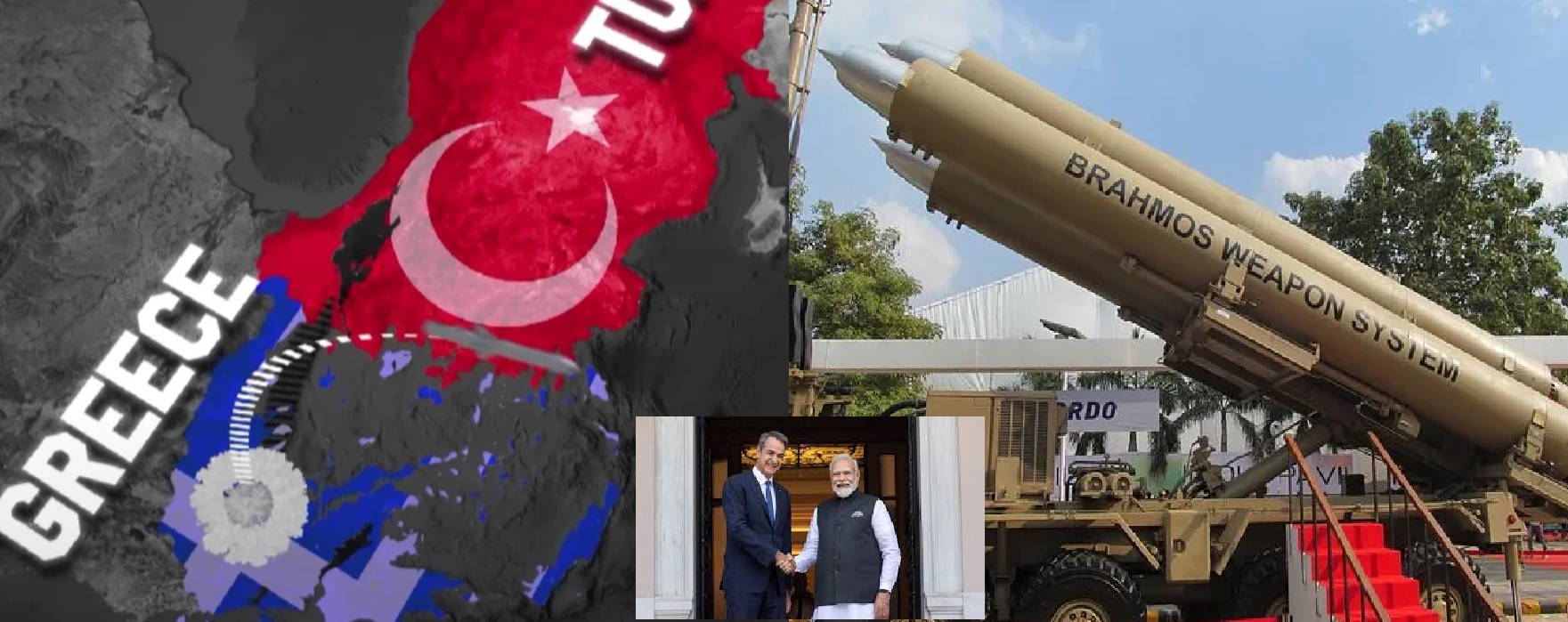
In what could reshape the strategic balance across multiple regions, Greece is reportedly in advanced talks with India to acquire the formidable BrahMos missile system, a joint product of India’s DRDO and Russia’s NPO Mashinostroyeniya. The move, if finalized, would mark a historic first: the deployment of the BrahMos missile — the world’s fastest supersonic cruise missile — within NATO by a European country, and it is already being viewed as a geopolitical nightmare for Turkey.
According to diplomatic and defense sources, discussions between Athens and New Delhi have intensified following the successful use of BrahMos missiles in “Operation Sindoor,” a recent but classified military strike in which India launched 15 BrahMos missiles in a precision tactical operation that shattered key Pakistani military infrastructure. The shockwaves of the operation were felt across South Asia, as the Pakistan Air Force was caught off guard and scrambled to safe zones, while other branches of the Pakistani military were reportedly ordered to retreat and take shelter — an unprecedented reaction, underscoring the devastating precision and speed of the BrahMos strike.
BrahMos: The Game-Changer Missile
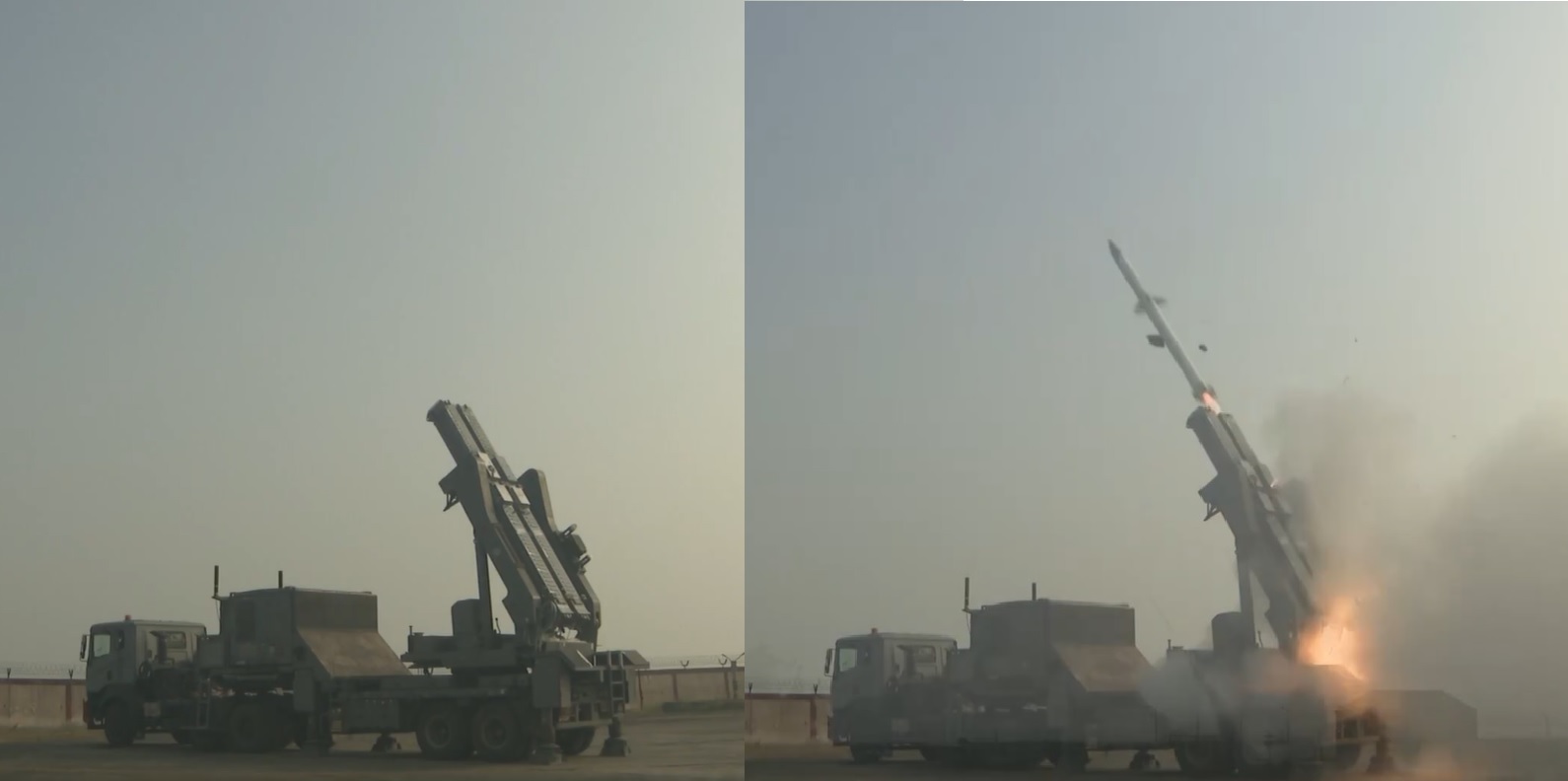
The BrahMos missile — capable of flying at Mach 2.8 to 3.0 — combines stealth, pinpoint accuracy, and near-uninterceptable speed. It has already been deployed extensively by India’s Navy, Air Force, and Army, and has been successfully exported to the Philippines, marking India’s first major missile sale. Now, Greece’s interest signals a shift in the global arms market, where India is rapidly emerging as a credible missile power.
The missile's range, post-MTCR (Missile Technology Control Regime) enhancements, now reportedly exceeds 450 kilometers, and future variants could reach up to 800 km. Its ability to launch from land, air, sea, and even submarines, makes it an attractive deterrent system for nations facing threats across multiple domains.
Why Greece Wants BrahMos
Tensions between Greece and Turkey have long simmered over disputes in the Aegean Sea, energy rights in the Eastern Mediterranean, and Turkish overflights into Greek airspace. For Athens, BrahMos offers an unmatched deterrent against Turkish provocations — especially given Ankara’s increasing naval assertiveness and drone warfare capabilities.
With BrahMos in its arsenal, Greece could target Turkish naval and air bases within minutes, neutralizing high-value assets before they can even launch. The psychological edge alone would be enough to shift strategic calculations in the region.
Moreover, Greece is seeking to diversify its defense procurement beyond traditional Western suppliers. By turning to India, it strengthens ties with a rising defense exporter, while also avoiding the complex bureaucracy of European arms deals.
Turkey’s Strategic Dilemma
For Turkey, the potential deployment of BrahMos by Greece is a severe blow. Ankara, already rattled by strained ties with NATO allies and growing regional isolation, will now have to contend with a neighboring adversary armed with a missile system that even advanced air defenses may not intercept in time.
Experts believe Turkey may now accelerate indigenous missile programs or seek new defensive partnerships, possibly with Russia or China, in response. However, doing so could further isolate it within NATO and draw more scrutiny from the U.S. and EU.
Operation Sindoor: A Turning Point
Although officially undeclared, Operation Sindoor is now widely acknowledged as a turning point in India’s missile warfare doctrine. In the reported night-time operation, 15 BrahMos missiles were launched simultaneously on Pakistan's air bases and military supply nodes, in retaliation for a covert cross-border provocation. The result: devastating damage, zero Indian casualties, and utter disarray within Pakistan’s defense establishment.
Following the strikes, Pakistan scrambled all air bases into lockdown mode, moved senior officials to undisclosed shelters, and placed its nuclear assets on standby. International observers, including China and the U.S., were reportedly shocked at the precision, speed, and confidence of the BrahMos deployment — a demonstration that has now caught Greece's attention, and Turkey's anxiety.
Strategic Implications
If the BrahMos deal with Greece moves forward, it will:
-
Mark India’s first missile export to Europe.
-
Embed India deeper into NATO’s defense fabric.
-
Provide Greece with a credible threat against Turkish military assets.
-
Signal to the world that India is no longer a regional player but a global missile power.
-
Trigger a new arms race in the Eastern Mediterranean and potentially spark countermeasures from Ankara.
The Road Ahead
While the talks are still confidential, insiders suggest that a Memorandum of Understanding (MoU) could be signed by the end of the year. The Indian Ministry of Defence has declined to comment, citing the strategic sensitivity of such transactions.
For now, the message is clear: the BrahMos is no longer just a regional weapon — it is a global game-changer. And for Turkey, the nightmare has only just begun.
✍️ This article is written by the team of The Defense News.