NSPA Awards 3-Year Contract to Boost Robotics and Autonomous Systems for NATO Forces
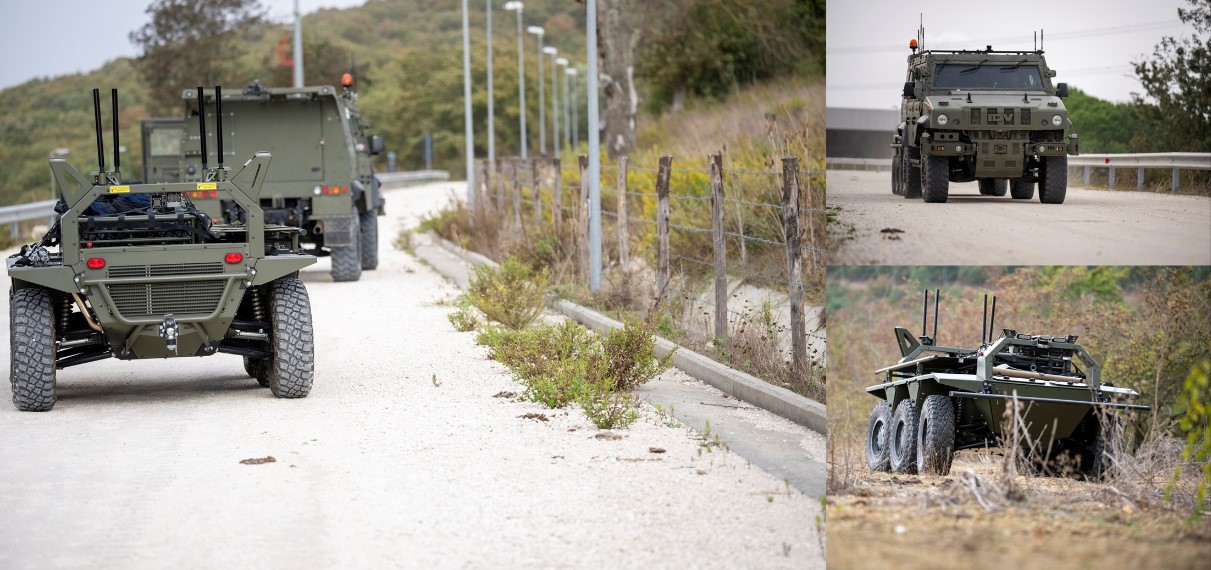
The NATO Support and Procurement Agency (NSPA) has awarded a three-year contract aimed at enhancing Robotics and Autonomous Systems (RAS) experimentation and development. This move is part of a wider push by a NATO Nation to modernize its military by integrating advanced technologies, including Artificial Intelligence (AI), Machine Learning (ML), and networked sensors into its defence strategy.
This initiative builds on five years of collaboration where NSPA has supported the nation using the DOTMLPFI framework—a comprehensive structure covering Doctrine, Organisation, Training, Materiel, Leadership, Personnel, Facilities, and Interoperability. The goal is to reimagine how military forces are structured and how they operate in future combat environments.
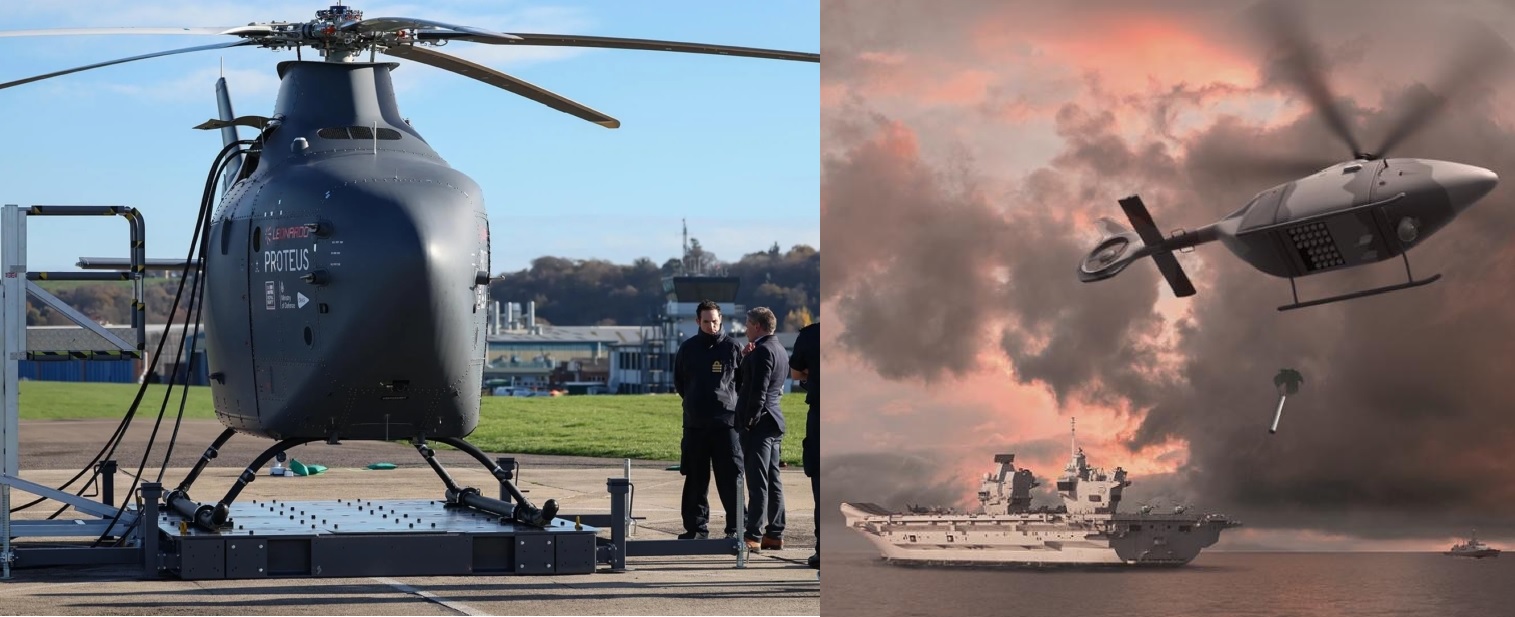
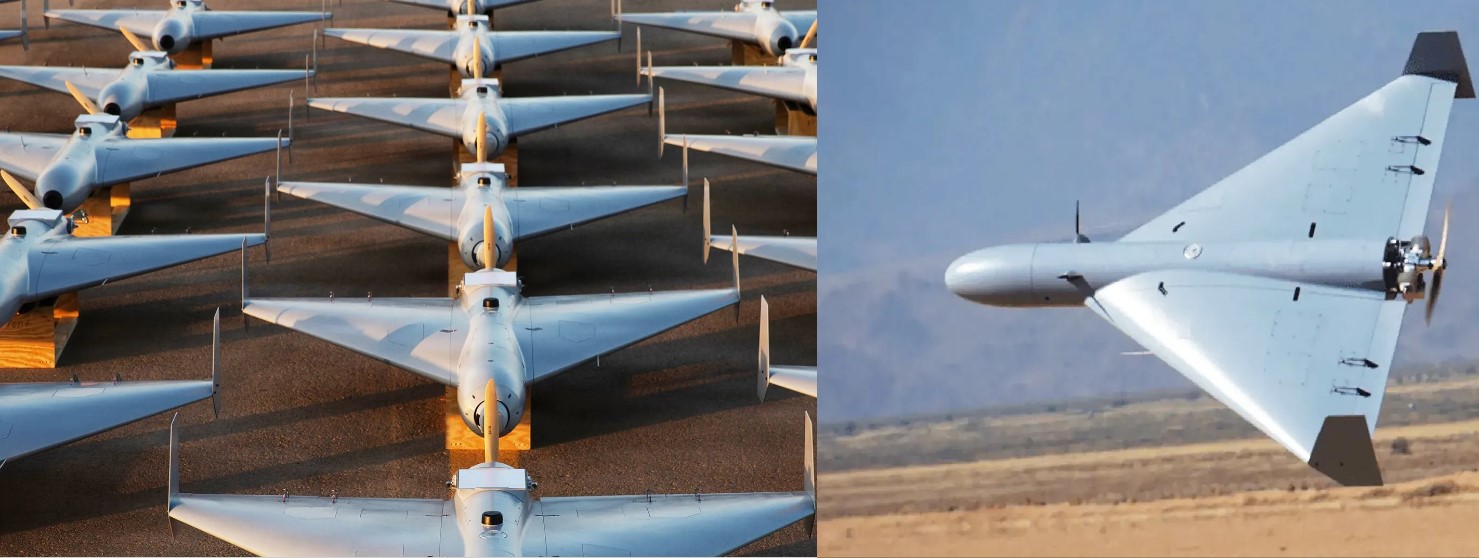
A key focus of the programme is on Uncrewed Ground Vehicles (UGVs) and Uncrewed Air Systems (UAS). These systems will operate under a sophisticated, interoperable Command and Control (C2) architecture built to Autonomy Levels for Uncrewed Systems (ALFUS) level 5. This setup allows the systems to work seamlessly across different military domains through a resilient network of distributed nodes.
By integrating robotics, AI, ML, and Intelligence, Surveillance, and Reconnaissance (ISR) into a Concept Development and Experimentation (CD&E) framework, NSPA is helping to shape new tactics and operational models. These emerging RAS technologies are seen as vital force multipliers—enhancing situational awareness, improving decision-making, and enabling missions to be carried out faster, more precisely, and more safely.
The programme aims to develop integrated human-machine teams, allowing troops to work alongside autonomous systems that can adapt in real time to the battlefield. However, the emphasis remains on maintaining human oversight, especially as the systems transition into RAS-Integrated and eventually RAS-Supervised Teams, offering greater autonomy without losing control.
Testing of these capabilities will take place in realistic, non-lethal operational environments, developed jointly with military end-users. These trials will explore how much autonomy is suitable for various missions, with a strong focus on trust, performance, and operational control.
This effort is being driven under the COMMIT partnership, which supports NATO Nations in transforming their operational concepts. Céline Danielli, Programme Manager for NSPA General and Cooperative Services (LB), stated, “This contract represents a step forward, providing our NATO Nation access to some of the most advanced RAS capabilities.”
She added, “By combining robotics, autonomy, cutting-edge AI/ML, and ISR solutions, we are preparing for the complex battlefields of tomorrow.” The contract also highlights the NSPA Operations Directorate’s role in ensuring that technological advances directly support operational readiness and real-world deployment.
This development places NSPA and its NATO partners at the forefront of the global effort to bring autonomous and AI-enabled systems into mainstream military operations.
✍️ This article is written by the team of The Defense News.