NATO Tests Uncrewed Naval Vessels in Baltic Sea
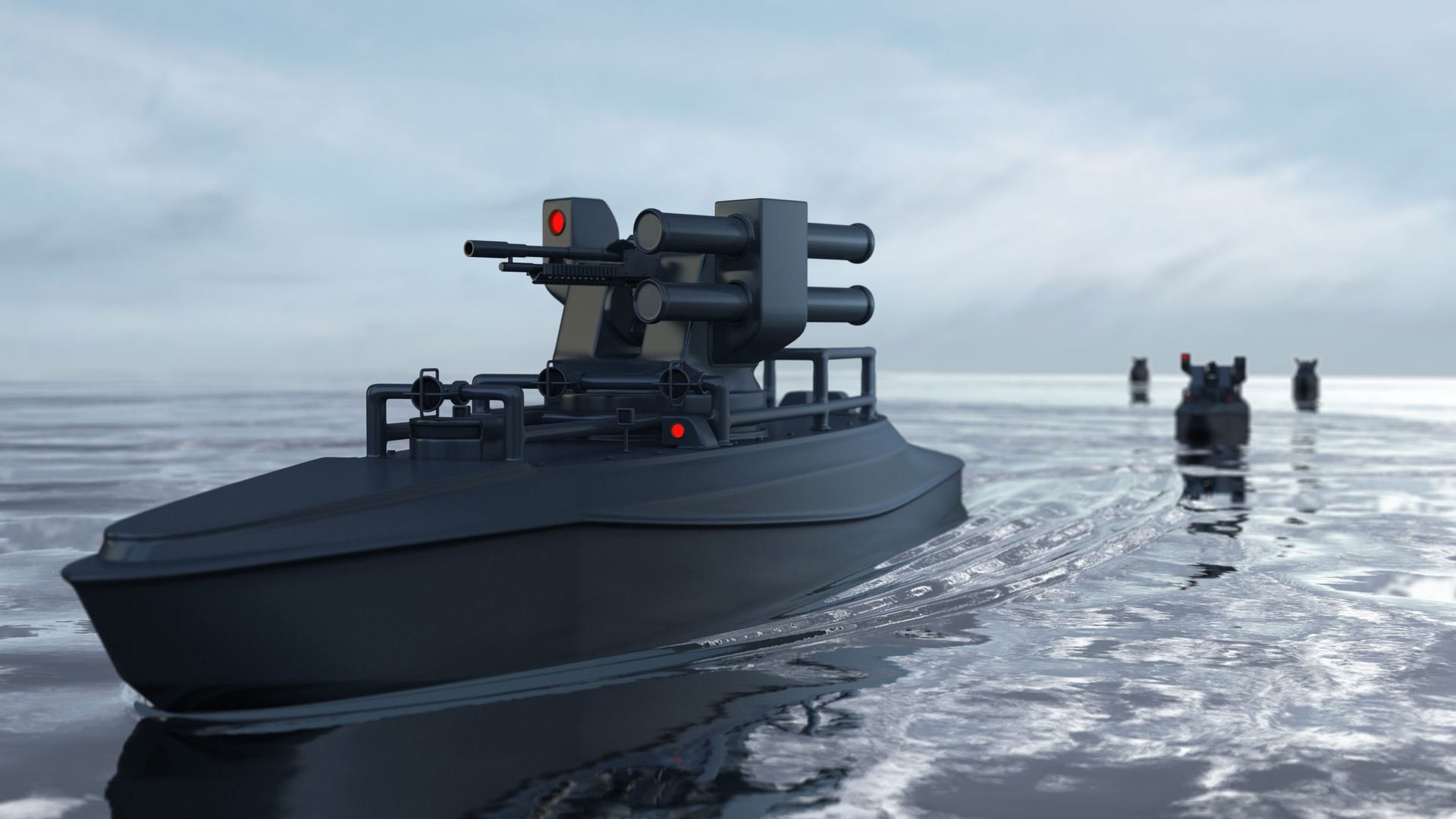
In a significant step toward modernizing naval warfare, NATO has begun testing unmanned surface vessels (USVs) in the Baltic Sea throughout June. This marks a major push to integrate advanced uncrewed technologies into regular Allied naval operations. These capability demonstrations are not just technical trials—they represent a shift in how NATO plans to protect its waters, infrastructure, and sea lanes using cutting-edge innovation.
The exercises, taking place in various parts of the Baltic Sea, aim to explore how USVs can be effectively employed in real-world maritime environments. These are not isolated drills; they are part of NATO’s larger innovation framework known as Task Force X, which brings together allied navies, research institutions, and technology providers to enhance maritime surveillance and defense using autonomous systems and artificial intelligence.
Vice Admiral Mike Utley of the Royal Navy, who commands NATO's Allied Maritime Command (MARCOM), emphasized that the trials are geared towards achieving real operational outcomes. The goal is to rapidly deliver unmanned systems to NATO’s Standing Naval Forces and use them at scale in high-risk maritime areas. By networking these systems, NATO hopes to build a more responsive, resilient force that can detect, monitor, and respond to threats without always relying on manned platforms.
Two of the prominent USVs showcased include the Martac Devil Ray T24 and Saildrone, both of which bring unique surveillance and tracking capabilities. These systems can work independently or be integrated into NATO’s broader operational environment, acting as forward scouts to spot unidentified vessels or activities around key underwater infrastructure, such as undersea communication cables.
The ongoing demonstrations also serve as a prelude to NATO’s Dynamic Messenger exercise planned for autumn in Portugal. These events form part of a long-term strategy led by NATO’s Allied Command Transformation (ACT) and Centre for Maritime Research and Experimentation (CMRE), aimed at reshaping maritime operations for the 21st century. The NATO Research Vessel Alliance, a scientific research ship operated by CMRE, will also participate, helping test new tech in real-time sea conditions.
Task Force X, fast-tracked into action after recent disruptions to undersea cables in the region, shows how NATO is blending enhanced vigilance activities with high-speed innovation. French Navy Admiral Pierre Vandier, NATO’s Supreme Allied Commander Transformation, highlighted that this approach allows NATO to combine affordable, commercially available solutions with advanced AI-powered platforms. This layered surveillance capability not only strengthens security but also conserves high-value naval resources for more critical missions.
Drawing inspiration from successful operations like the U.S. Navy’s Task Force 66, this NATO effort allows member countries to contribute their own autonomous systems while staying seamlessly integrated within the larger Alliance structure.
Overall, this initiative reflects NATO’s commitment to adapting to new threats and environments by turning innovation into action. As tensions remain high in regions like the Baltic Sea, these uncrewed systems could play a vital role in ensuring that NATO maintains its strategic advantage—quietly but effectively.
✍️ This article is written by the team of The Defense News.