NATO Faces Turbulence as U.S. Cancels E-7 AWACS Program, Sparking Worries Over Alliance's Radar Future
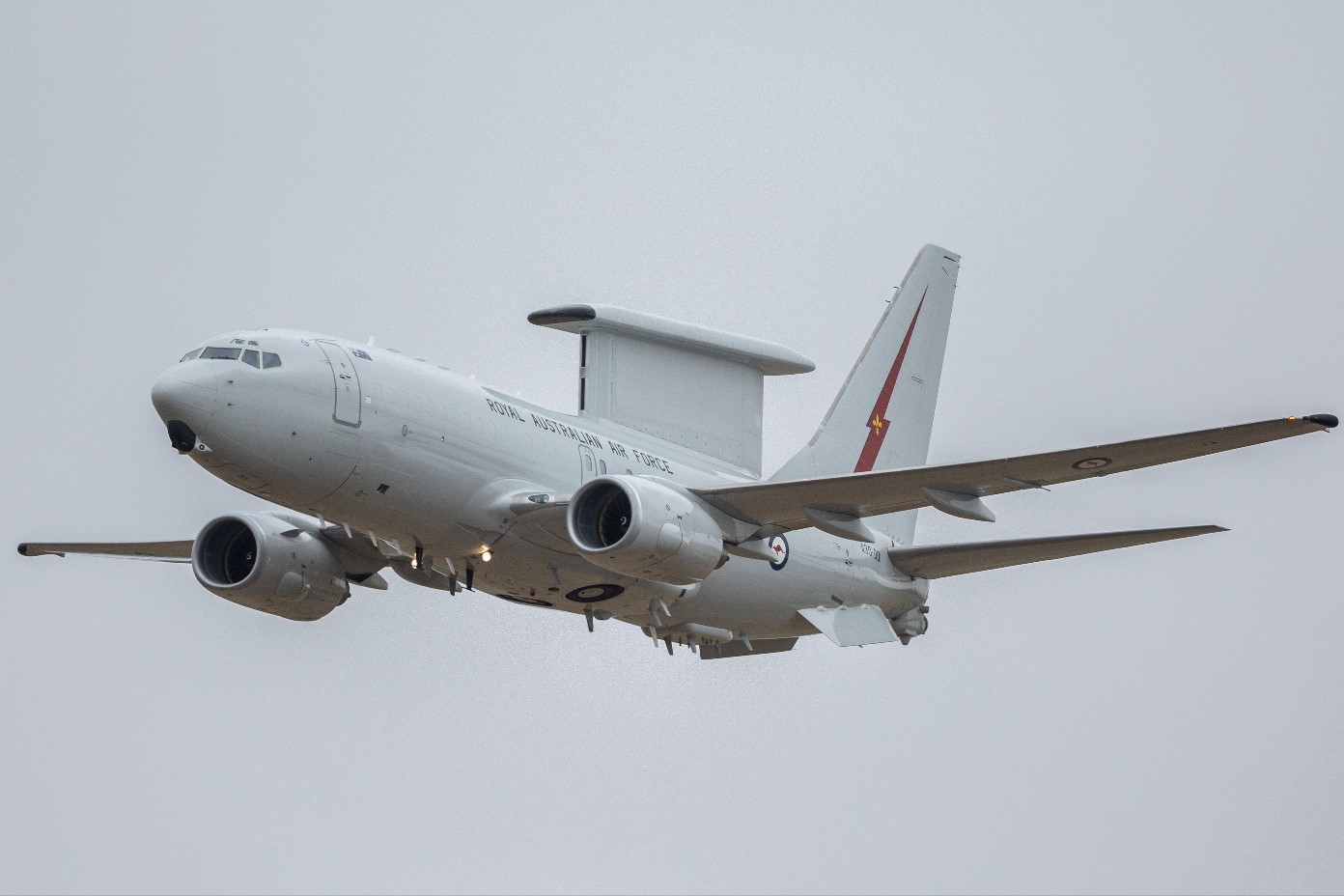
The United States’ sudden cancellation of its plan to buy the E-7 Wedgetail airborne early warning aircraft has sparked deep concern across NATO, raising doubts about the future of the alliance’s critical airborne radar capability.
For decades, the E-3 Sentry AWACS (Airborne Warning and Control System), with its iconic spinning radar dome, has been NATO’s eyes in the sky. These aircraft are essential for spotting threats from afar, coordinating fighter jets, and giving commanders a real-time picture of what’s happening in the air. The fleet, mostly based in Geilenkirchen, Germany, is aging but still holds the alliance together during large-scale air operations.
To modernize, NATO and several allies had planned to switch to the E-7 Wedgetail, a newer aircraft already used by countries like Australia, the UK, South Korea, and Turkey. The U.S. Air Force had also planned to buy 26 E-7s by 2032, and NATO hoped to get six by 2031. The E-7’s MESA radar, which electronically scans the sky without the spinning dome, offers better coverage, faster response, and more survivability than the old E-3s.
But in a surprising decision last month, the Pentagon canceled the E-7 program altogether. Rising costs—jumping from $588 million to $724 million per plane—and worries about how well the aircraft would survive in future wars were the key reasons. Instead, the U.S. now plans to depend on a mix of E-2D Hawkeye aircraft, which are less powerful than the E-7, and a new network of space-based sensors that are still being developed. These would be part of wider initiatives like the Golden Dome missile defense system.
Experts interviewed by the Center for European Policy Analysis (CEPA) say this shift leaves a dangerous gap. The E-7 would have given NATO wide, persistent radar coverage—something satellites can’t fully replace yet. And the Hawkeye, though capable, simply doesn't match the power or endurance of the Wedgetail.
The decision also leaves Europe in a bind. It doesn't have a ready-made replacement for the E-3. One option is the Saab GlobalEye, a Swedish-made aircraft that costs half as much as the E-7. It’s based on a business jet and has drawn interest from countries like France, Sweden, and Denmark, though it may not offer the same radar strength.
Some NATO countries, like the UK, are going ahead with their E-7 purchases independently. And there’s still a chance that political pressure from within the U.S.—or from Boeing, the plane’s manufacturer—could revive the E-7 program. But for now, NATO lacks a unified solution.
This situation underscores just how important the U.S. is for NATO. The alliance often relies on American investments to set the pace for shared defense tools. Without U.S. backing, programs like the E-7 become fragmented or stalled.
In short, the U.S. pullback from the E-7 project has left NATO with no agreed replacement for its flying radar systems, and a critical gap in future air defense capabilities. Whether Europe can fill that void on its own—or whether the U.S. reconsiders its decision—remains an open and urgent question.
✍️ This article is written by the team of The Defense News.