MoD Approved ₹723 Crore for Kaveri Engine Projects to Power India’s Ghatak Stealth Drone
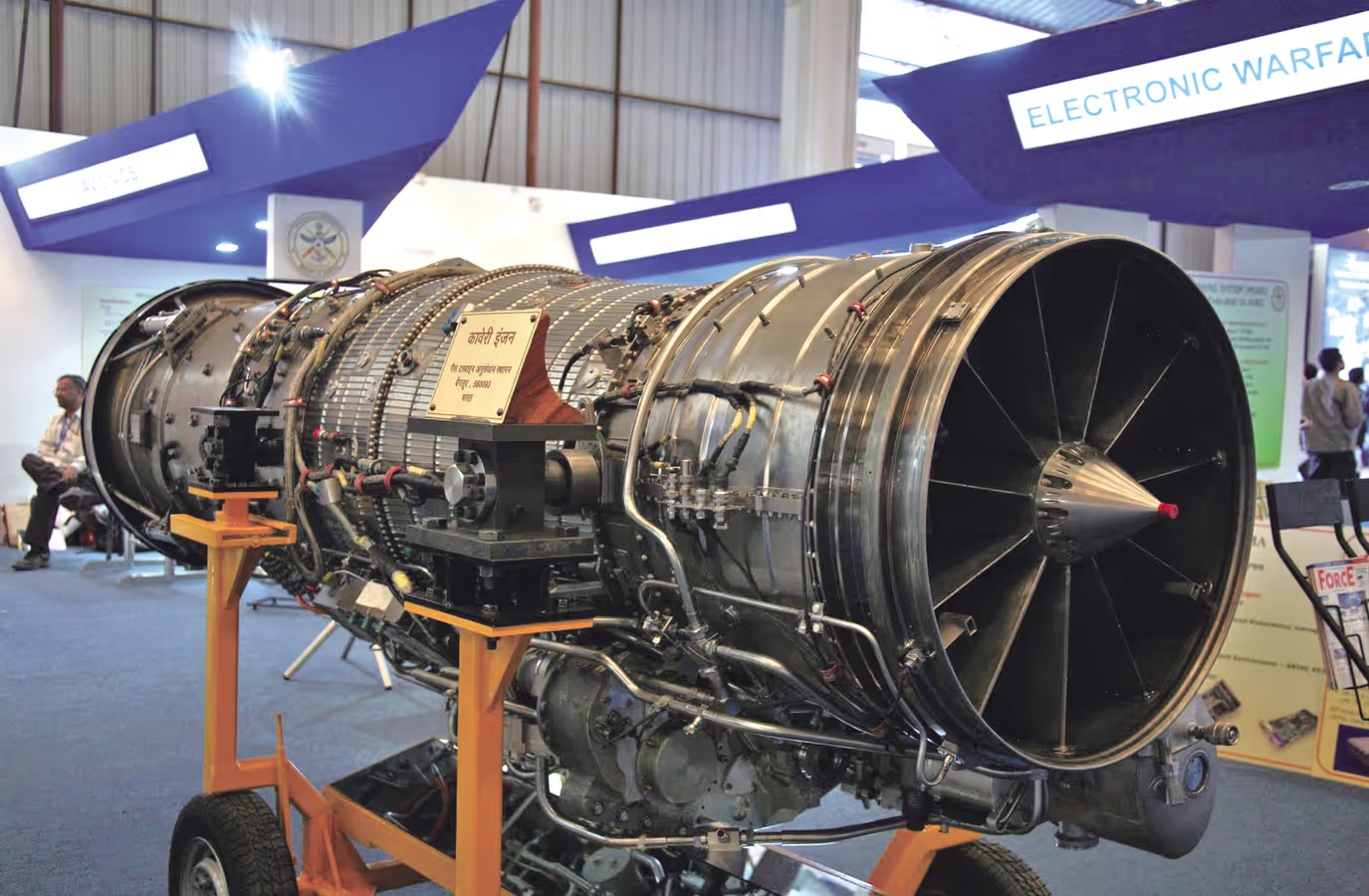
The Ministry of Defence (MoD) has approved two crucial Kaveri engine projects worth ₹723.59 crore, aimed specifically at powering the upcoming Ghatak Unmanned Combat Aerial Vehicle (UCAV). The funding marks a decisive step toward reducing India’s dependency on foreign aero-engines and enhancing its self-reliance under the Atmanirbhar Bharat initiative.
The two newly sanctioned projects, cleared under the Technology Development Fund, are:
-
Flightworthy Kaveri Dry Engine Development – Allocated ₹472.42 crore, this is focused on creating a flight-ready engine variant tailored for the Ghatak UCAV.
-
Technology Demonstration of the Kaveri Derivative ‘Dry’ Engine – With ₹251.17 crore earmarked, this part of the program is meant to validate core engine technologies and demonstrate the engine’s capabilities in unmanned applications.
Together, these efforts form part of a broader commitment from the MoD, which has allocated ₹29,558 crore to DRDO projects over the past three years.
The Kaveri Derivative Engine (KDE) is a non-afterburning turbofan designed to produce 46–49 kN of thrust. While this is not enough for modern fighter jets, it is ideal for drones like the Ghatak, where fuel efficiency, low infrared signature, and reliability are more important than raw power. Originally developed to power the Tejas fighter jet, the Kaveri engine was delinked from the project in 2008 due to technical hurdles, but DRDO continued development, now steering it toward unmanned aerial platforms.
The Ghatak UCAV, formerly known as AURA, is a stealth flying-wing drone under development by India. Designed for deep strike missions, the drone is expected to have:
-
A maximum take-off weight of 12–13 tons
-
An internal weapons bay that can carry up to 1.5 tons
-
A service ceiling of 30,000 feet
-
Combat endurance of 5–8 hours, depending on the mission
-
Advanced capabilities like autonomous navigation, Manned-Unmanned Teaming (MUM-T), and low observability
The Kaveri Derivative Engine has already completed over 140 hours of testing, including altitude trials in Russia and ground tests in India. In December 2024, the engine was cleared for in-flight testing. It will undergo 70 hours of flight tests aboard a modified Russian Il-76 aircraft. Notably, during high-altitude simulations at Russia’s Central Institute of Aviation Motors (CIAM), the engine delivered 48.5 kN of thrust — exceeding the original 46 kN target.
These trials are essential because India currently lacks domestic infrastructure to simulate such high-altitude performance. Once these tests are completed and validated, the engine is expected to be certified by 2026 for integration into the Ghatak UCAV.
In a significant industrial development, Godrej Aerospace has been entrusted with building six Kaveri Derivative engines by August 2025. The company delivered the first two modules to DRDO’s Gas Turbine Research Establishment (GTRE) in April 2025. This marks an important milestone in involving the private sector in core defence technologies under Development-cum-Production Partner (DcPP) frameworks.
The success of these Kaveri engine programs will be critical for the future of India’s unmanned strike capabilities. The Indian Air Force has shown interest in acquiring up to 150 Ghatak drones, potentially forming 8–9 operational squadrons. If the dry Kaveri variant succeeds, it could open the door for developing afterburning versions for manned platforms such as future AMCA fighters, creating synergy across India’s aerial combat ecosystem.
Ultimately, these developments highlight a long-awaited strategic shift: India is not just buying or assembling military platforms anymore — it’s building the engines that power them.
✍️ This article is written by the team of The Defense News.