Missile Defense Agency Receives First Advanced AN/TPY-2 Radar with GaN Technology from Raytheon
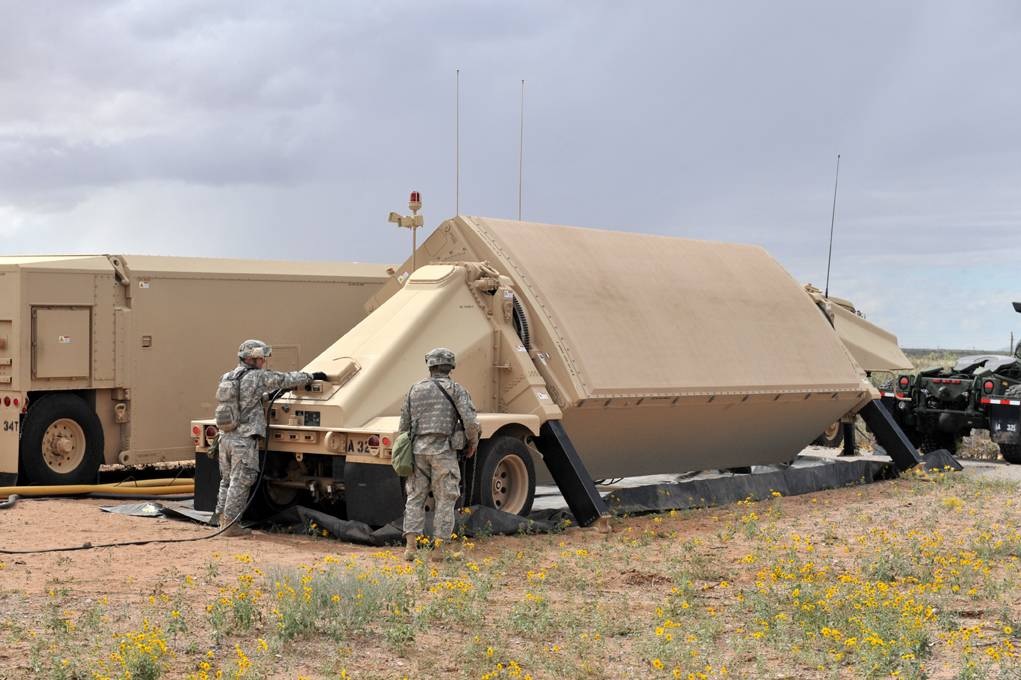
The U.S. Missile Defense Agency (MDA) has officially received its first upgraded AN/TPY-2 radar system from Raytheon, a part of RTX, marking a significant step forward in the nation's missile defense capabilities. This new variant of the AN/TPY-2 radar is the first to feature a fully populated Gallium Nitride (GaN) array, making it the most powerful and sensitive version ever delivered.
The AN/TPY-2 radar plays a crucial role in protecting the U.S. homeland and allied nations by detecting, tracking, and identifying ballistic missile threats throughout their flight — from boost phase to terminal phase. The newly integrated GaN technology gives the radar system a powerful edge by significantly increasing its sensitivity and range. This improvement enables it to detect faster, smaller, and more distant threats — including modern hypersonic weapons that are harder to track with older systems.
Beyond hardware improvements, the radar also incorporates Raytheon's latest CX6 high-performance computing software. This software enhances the system’s ability to accurately identify true threats among clutter, such as missile fragments or decoys. It also boosts resistance against electronic attacks, ensuring reliable performance even in highly contested environments.
Operating in the X-band frequency range, the AN/TPY-2 radar delivers exceptionally sharp resolution, allowing it to distinguish between real warheads and harmless objects like debris or spent rocket stages. This ability is critical for effective missile defense, ensuring the right targets are intercepted without wasting valuable interceptor missiles.
Raytheon’s Air and Space Defense Systems president, Sam Deneke, described this radar as the most advanced version they have built. He stated that it reflects years of investment in innovation, offering superior capability at a lower long-term cost. “As demand increases for missile defense of the homeland, the AN/TPY-2 radar is ready to meet the mission,” Deneke affirmed.
The delivery also reflects a growing focus on defending against new types of missile threats, such as hypersonic glide vehicles, which fly at extremely high speeds and maneuver unpredictably. With this new radar system, the U.S. Missile Defense Agency strengthens its shield against modern and future threats.
This is just the first of several upgraded radars expected to be delivered in the coming years as part of a broader push to modernize America's missile defense network and maintain a strategic edge in a rapidly changing global security environment.
✍️ This article is written by the team of The Defense News.