Milei to New Yorkers: “You Chose Communism—Argentina Welcomes Those Who Seek to Prosper
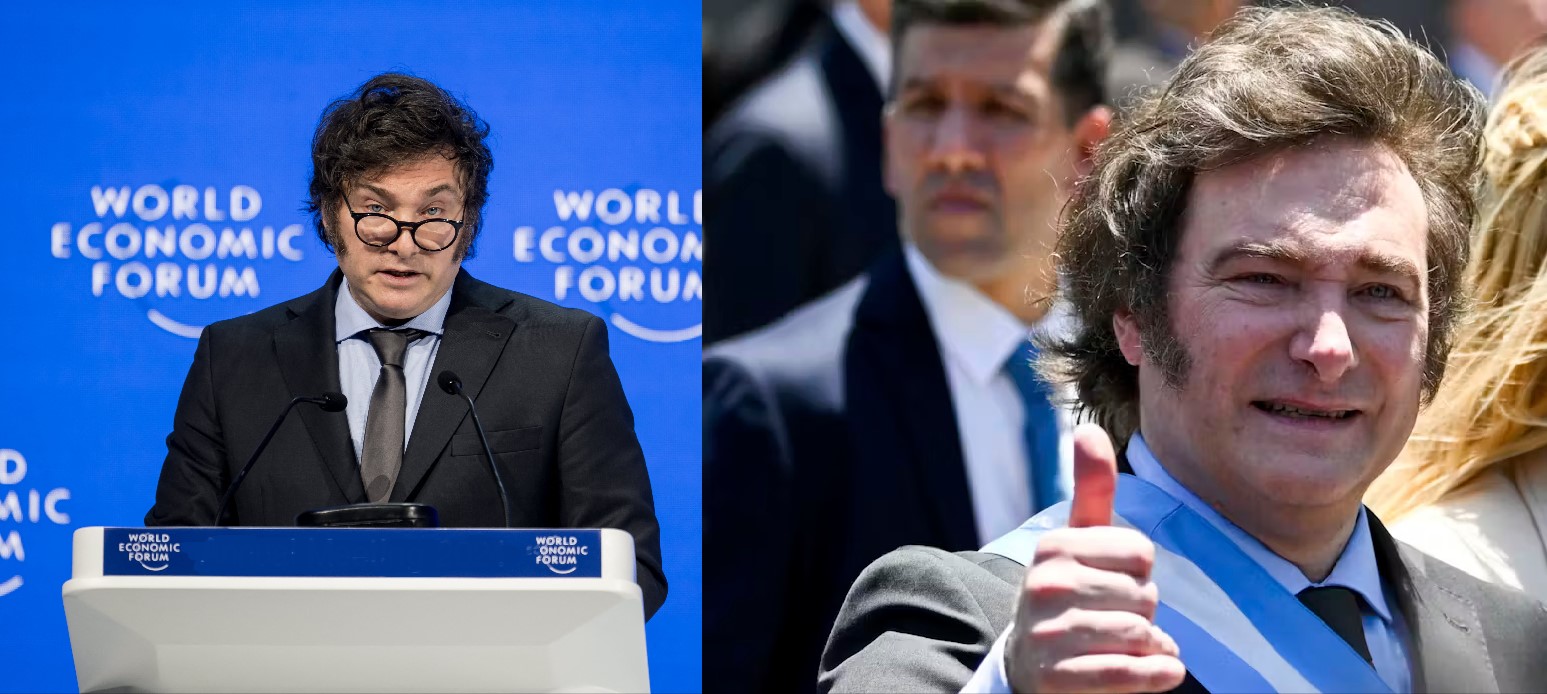
In a statement that has rippled across international media, Argentine President Javier Milei delivered a sharp message to New Yorkers following the election victory of Zohran Mamdani, a self-described Democratic Socialist whose ascent to New York’s mayoralty marks a striking ideological turn for America’s largest city.
During a speech in Miami, Milei declared:
“I dedicate these words to New Yorkers, who have taken the opposite path that of Argentina, and will now be living under a communist party. They should know that if the going gets tough, they will always be warmly welcome in our land if they seek to prosper.”
The remark, characteristically fiery and ideological, underscores Milei’s growing reputation as one of the world’s most outspoken defenders of free-market capitalism and critic of socialism. His words were less about foreign policy than about ideology—casting Argentina as a global haven for those fleeing the failures of state-controlled economics.
The Context: Mamdani’s Victory and the “Communist” Label
Mamdani’s recent victory in New York City has been celebrated by progressives as a breakthrough for the American left. Known for his calls to tax the wealthy, expand social housing, and rethink private ownership in essential sectors, Mamdani has drawn comparisons to left-wing movements in Europe and Latin America.
However, his critics—both in the U.S. and abroad—have called his policies “radical” and “communist.” Former President Donald Trump went as far as to label Mamdani “a 100% Communist lunatic,” warning that his leadership could drive away investment and business confidence from the city.
For Milei, Mamdani’s victory offered a perfect ideological counterpoint. Where New York’s new leadership embraces state intervention, Milei’s Argentina is moving in the opposite direction—slashing public spending, privatizing state assets, and opening its markets to foreign investors.
Argentina as the “Opposite Path”
Since taking office, Milei has embarked on one of the most aggressive free-market reform programs in modern Latin American history. He has cut government ministries from 18 to 9, eliminated thousands of public positions, and worked to stabilize the peso through strict monetary discipline.
To his supporters, these moves represent Argentina’s rebirth after decades of populism and inflation. To his critics, they represent austerity and social hardship.
By invoking New York’s election, Milei sought to frame Argentina’s reforms as a global ideological alternative—“the path of freedom,” as he calls it. His message to New Yorkers was as much an invitation as it was a warning: those who reject socialism have a home in Argentina.
A Message Beyond Borders
Milei’s words also reveal his ambition to project Argentina’s new identity onto the world stage. The president, who describes himself as a “libertarian capitalist,” has openly aligned with Western conservative movements, including Trump-aligned figures in the United States and pro-market leaders in Europe.
In the Miami address, Milei repeated his long-held belief that “socialism is the root of poverty,” warning that any nation embracing it “will lose its freedom, its prosperity, and its soul.” His framing of Mamdani’s win as a “communist takeover” reflects this uncompromising worldview.
Analysts note that such rhetoric, while resonating with international right-wing audiences, may complicate diplomatic relations. However, Milei has made it clear that ideological clarity matters more to him than diplomatic restraint.
The Broader Symbolism
The Milei-Mamdani exchange—though indirect—symbolizes a deeper global divide. On one side are leaders pushing for stronger state roles in welfare, taxation, and social equality; on the other, figures like Milei championing deregulation, privatization, and individual liberty.
In this new landscape, even local elections in a U.S. city can trigger commentary from world leaders. The ideological fault lines that once separated domestic politics are now transnational, shaping global debates on economics and governance.
President Javier Milei’s reaction to Zohran Mamdani’s victory in New York City was not merely a comment on American politics—it was a statement of ideological identity.
By contrasting Argentina’s libertarian revolution with what he calls New York’s “communist turn,” Milei positioned his country as a beacon for pro-capitalist values in an era of rising global polarization.
Whether taken as satire, provocation, or genuine invitation, Milei’s message carries unmistakable symbolism: Argentina, once a cautionary tale of economic mismanagement, now seeks to redefine itself as the refuge of those who choose freedom over control.
About the Author
Aditya Kumar:
Defense & Geopolitics Analyst
Aditya Kumar tracks military developments in South Asia, specializing in Indian missile technology and naval strategy.